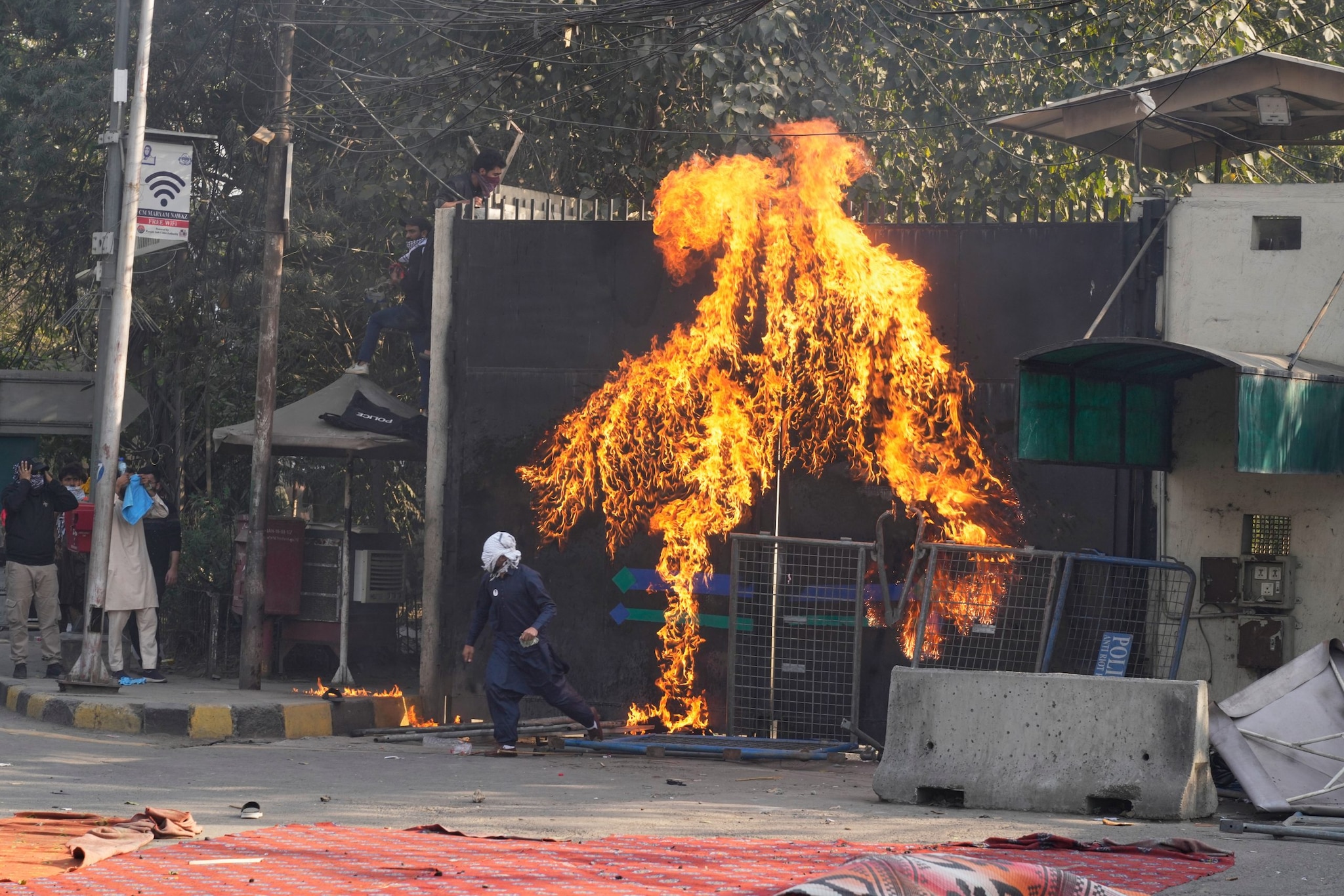
The smoke has long cleared from the streets of Karachi and Islamabad, but the scars of September 2012 remain etched into the Pakistani psyche. You might remember the headlines. A low-budget, inflammatory film titled "Innocence of Muslims" surfaced on YouTube, and the response was an explosion of fury that didn't just rattle the gates of the U.S. Consulate—it tore through the social fabric of an entire nation.
At least 22 people died in what remains one of the most chaotic displays of anti-American sentiment in recent history. This wasn't just a spontaneous riot. It was a collision of religious sensitivity, political maneuvering, and a deep-seated frustration with Western influence that had been simmering for decades.
A National Holiday That Backfired
On September 21, 2012, the Pakistani government did something unusual. They declared an official public holiday called "Youm-e-Ishq-e-Rasool" (Day of Love for the Prophet). The logic was simple: give people a peaceful outlet to express their devotion. Instead, it provided a massive, government-sanctioned stage for hardline groups to flex their muscles.
When you shut down a country and tell everyone to take to the streets, you'd better be prepared for the consequences. The authorities weren't. In Karachi, a city that rarely needs an excuse for volatility, the situation spiraled within hours. Protesters didn't just carry banners; some brought weapons.
The primary target was the U.S. Consulate. Security forces, trapped between protecting a foreign mission and not wanting to appear "anti-Islamic" to their own citizens, found themselves in a no-win situation. They fired tear gas. They fired live rounds into the air. Eventually, they fired into the crowds.
The Human Cost of a YouTube Video
The numbers are staggering for a protest sparked by a 14-minute trailer that almost nobody had actually seen in full. By the end of that Friday, the death toll hit at least 22 nationwide.
- Karachi saw the worst of it, with at least 10 people killed, including a police officer.
- Peshawar reported several deaths, including a local TV driver who was caught in the crossfire while trying to do his job.
- Islamabad and Lahore saw hundreds of injuries as protesters clashed with riot police near the highly fortified "Diplomatic Enclaves."
One of the most tragic stories from that day involved Mohammad Amir, a driver for ARY News. He wasn't a protester. He was just sitting in his vehicle when police opened fire on a mob torching a cinema. He was hit and died in the hospital, his final moments broadcast in a loop on the very network he worked for.
It’s easy to look at the "22 dead" figure and see it as just another statistic in a violent region. But when you look at the details, you see a breakdown of order where even the people supposed to be "on the same side"—the police and the public—were killing each other over a video made thousands of miles away in California.
Why the US Consulate Was the Flashpoint
The U.S. Consulate wasn't just a building in these protests. It was a symbol. For the protesters, attacking the consulate was a direct message to Washington. They felt the U.S. government was responsible for the film's existence, despite repeated statements from President Obama and Secretary of State Hillary Clinton condemning the video.
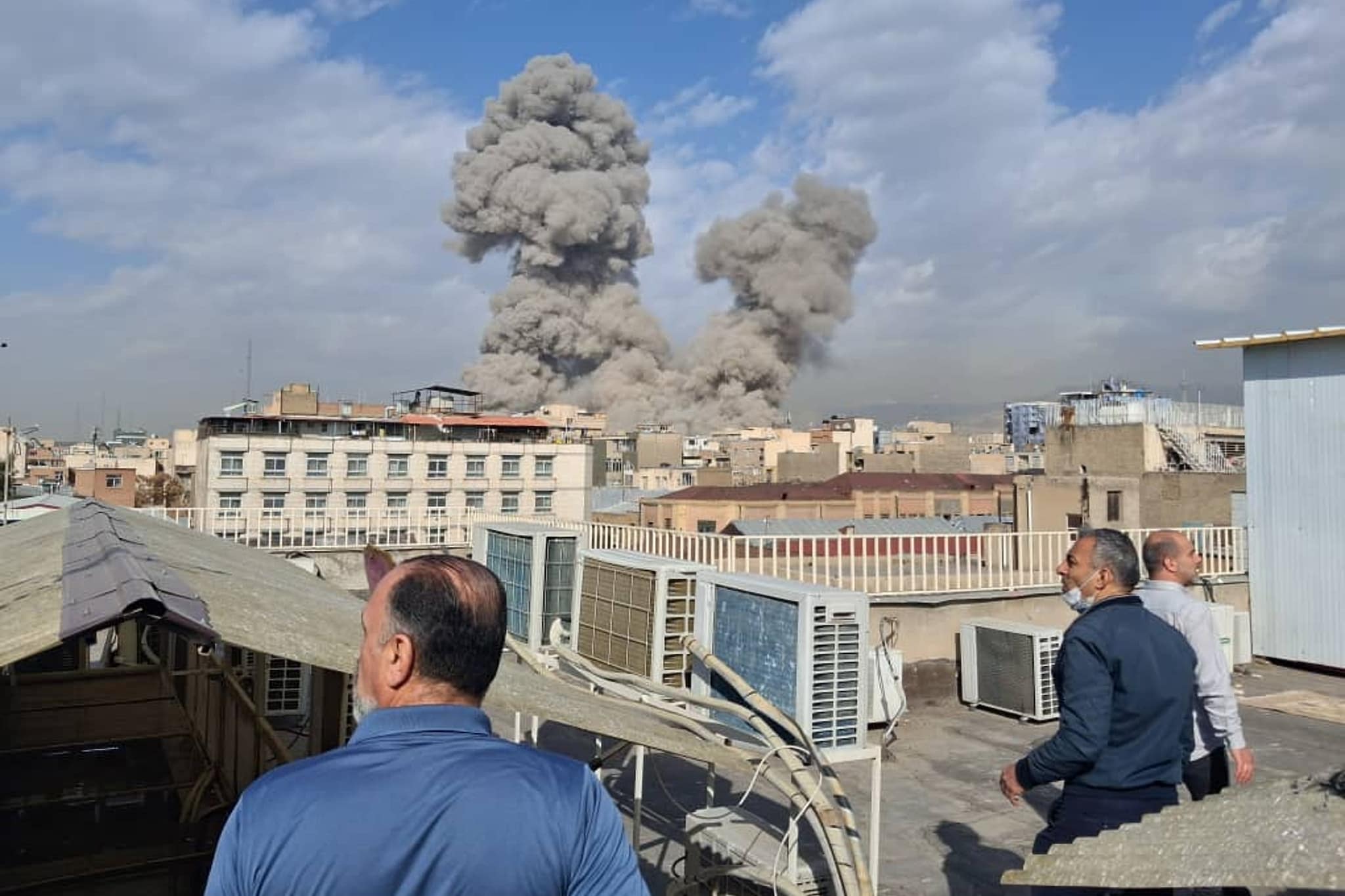
In Karachi, the "Love for the Prophet" day turned into a literal siege. Protesters managed to reach the outer perimeter, smashing windows and torching a police post. They were eventually pushed back by a wall of shipping containers and a sea of tear gas, but the message was sent.
The security failure was glaring. Despite the government's attempt to "block" mobile phone services in 15 major cities to prevent organizers from coordinating, the crowds only grew. It turns out you don't need a 4G connection to see a column of smoke and join a mob.
The Real Winner Was the Hardline Right
If you want to understand why these protests were so violent, don't look at the film. Look at the groups that organized the marches. Hardline religious parties like Jamaat-e-Islami and various sectarian groups saw an opportunity. By leading the charge against the "blasphemous" video, they gained a level of mainstream legitimacy that they usually lack at the ballot box.
The government’s decision to declare a holiday was essentially a white flag. They were scared of being seen as "soft" on blasphemy, so they handed the keys of the country to the most radical elements for 24 hours.
This created a dangerous precedent. It showed that if you get enough people into the streets of Karachi or Lahore, you can force the state to stop everything. We’ve seen this play out repeatedly in the years since, with groups like the TLP using similar tactics to paralyze the country.
What This Taught Us About Modern Diplomacy
The 2012 riots changed how the U.S. operates in Pakistan. Security at the consulates moved from "high" to "fortress" levels. More importantly, it highlighted the "Digital Blasphemy" problem.
How does a government protect its diplomats when a single person with a smartphone can upload something that causes a riot 8,000 miles away? The U.S. spent $70,000 on ads in Pakistan during that week just to distance itself from the film. It didn't work. The narrative on the street was already set.
Today, we see the same patterns. Information travels faster, but the emotional triggers remain the same. The 2012 protests weren't just about a movie; they were about the friction between Western free speech and Islamic views on blasphemy—a friction that still hasn't found a middle ground.
If you’re traveling through or working in the region, keep a close eye on the local lunar calendar and major religious anniversaries. Political shifts often happen in the wake of these mass gatherings. Don't rely on official "safety" declarations when the streets are full. History shows they can turn on a dime.