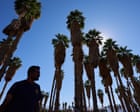
The thermometer in Arizona just hit 44.4°C (112°F). In March. Let that sink in for a second. We're not even at the spring equinox, and parts of the American West are seeing temperatures that usually don't show up until July. If you think this is just a weird week of "nice weather" to enjoy at the park, you're missing the bigger, much scarier picture.
This record-shattering heat dome isn't just a statistical anomaly. It’s a structural threat to how the West survives the rest of the year. The "snow drought" we've been tracking all winter just got hit with a flamethrower. For the millions of people relying on the Colorado River or California’s reservoir systems, the math for the 2026 water year just changed for the worse.
The Snowpack is Vanishing Before Our Eyes
In a normal year, the mountains act like a massive, frozen water tower. The snow piles up all winter and then slowly—very slowly—melts throughout the spring and summer to keep the taps running and the crops growing. That system is broken right now.
According to the latest federal drought monitor data, we entered this heatwave with snow water equivalents already below the median at 91% of western stations. Now, that meager pile is being liquidated. In California, the snowpack is disappearing at a rate of roughly 1% per day. This is what experts call an "early melt," and it’s a logistical nightmare for reservoir managers.
When the water comes down the mountain in March instead of May, the reservoirs can't always hold it. They have to leave room for potential flood control from spring storms. So, instead of saving that water for a dry August, managers are often forced to let it flow out to sea or downstream early. Once it’s gone, it’s gone. You can't put the melt back on the mountain.
Wildfire Season is No Longer a Season
We used to talk about "fire season" as something that started in June or July. That's old thinking. Right now, wildfires are already tearing through the Great Plains, with flare-ups in Arizona and Colorado that look like mid-summer infernos.
The heat doesn't just melt snow; it "sucks" the moisture out of the ground and the plants. This atmospheric thirst is priming the landscape to burn. When you combine 100-degree days in March with the dry cold fronts we’ve seen lately, you get a landscape that is basically a tinderbox.
- Nebraska and Kansas: Seeing fires grow by hundreds of thousands of acres in a single day—behavior that is "virtually impossible" this early in the year without the fingerprints of climate change.
- The Southern Plains: Texas and Oklahoma are facing "above normal" fire potential through April.
- The Front Range: Communities in Colorado are already bracing for what could be their most aggressive fire year on record because the timber is essentially pre-baked.
If you live in these areas, you aren't waiting for summer to clear your defensible space. You're already behind.
The Ripple Effect on Your Wallet
This isn't just an "environmental" issue. It’s an economic one. When the Colorado River basin faces these kinds of "hydroelectric shortfalls," your power bill goes up. When irrigation water for the Central Valley or the Yuma region gets cut because the "frozen reservoir" melted too early, your grocery bill reflects it.
We’re looking at a scenario where April 1st—the traditional "benchmark" date for water allocation planning—is going to be a day of reckoning. Officials have to decide who gets hit first: the farmers, the cities, or the ecosystems.
What You Can Actually Do Right Now
The time for "wait and see" ended when the mercury hit 110 in the Southwest. If you’re in a high-risk zone, here is the reality of your next 48 hours.
- Audit Your Water Usage Immediately: Don't wait for the city to mandate restrictions. If you're still watering a lawn in the desert during a record heatwave, you're part of the problem. Switch to drip irrigation or just let the grass go dormant.
- Hardened Property Check: If you haven't cleared dead brush and "ladder fuels" (low-hanging branches) within 30 feet of your home, do it this weekend. The embers don't care that it's only March.
- Update Your Emergency Go-Bag: With fires moving this fast, the "15-minute warning" is becoming the new standard. Have your documents, meds, and essentials by the door.
- Monitor Local Air Quality: Early fires mean early smoke. If you have respiratory issues, make sure your indoor air filtration (HEPA) is ready now, not in July.
This heatwave is a loud, hot warning. The West is getting a preview of a very long, very dry summer, and the margin for error has basically evaporated. Take the threat seriously while you still have the lead time to prepare.