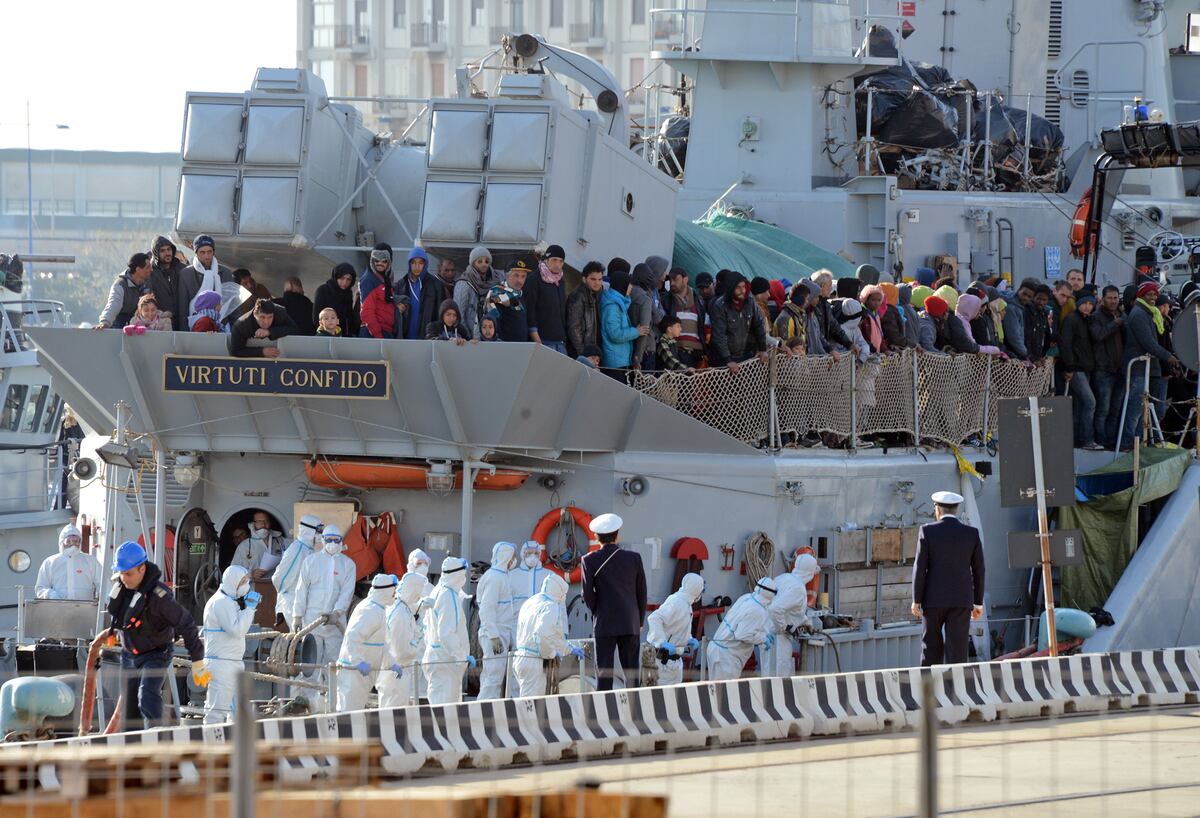
The water doesn't care about borders or politics. When an overcrowded wooden trawler hits a swell in the Andaman Sea, the result is almost always a death sentence. We just saw this play out again in the most horrific way possible. Reports indicate that a boat carrying roughly 250 refugees has capsized, leaving almost no hope for survivors. This isn't just a "tragedy" in the sense of a natural disaster. It's a systemic failure of regional maritime policy and a direct result of human desperation hitting a wall of international indifference.
If you're looking for the reason why people keep getting on these boats despite the near-certainty of danger, you have to look at the lack of legal pathways. People don't pay smugglers their life savings to sit on a floor covered in diesel fuel and human waste because they want an adventure. They do it because staying where they are has become impossible.
The Anatomy of a Maritime Disaster
Most people don't realize how precarious these vessels actually are. We're talking about basic fishing trawlers designed for a crew of ten or fifteen people. Smugglers pack them with hundreds. The center of gravity shifts. The boat sits dangerously low in the water. One bad wave or a sudden panic where everyone rushes to one side is all it takes.
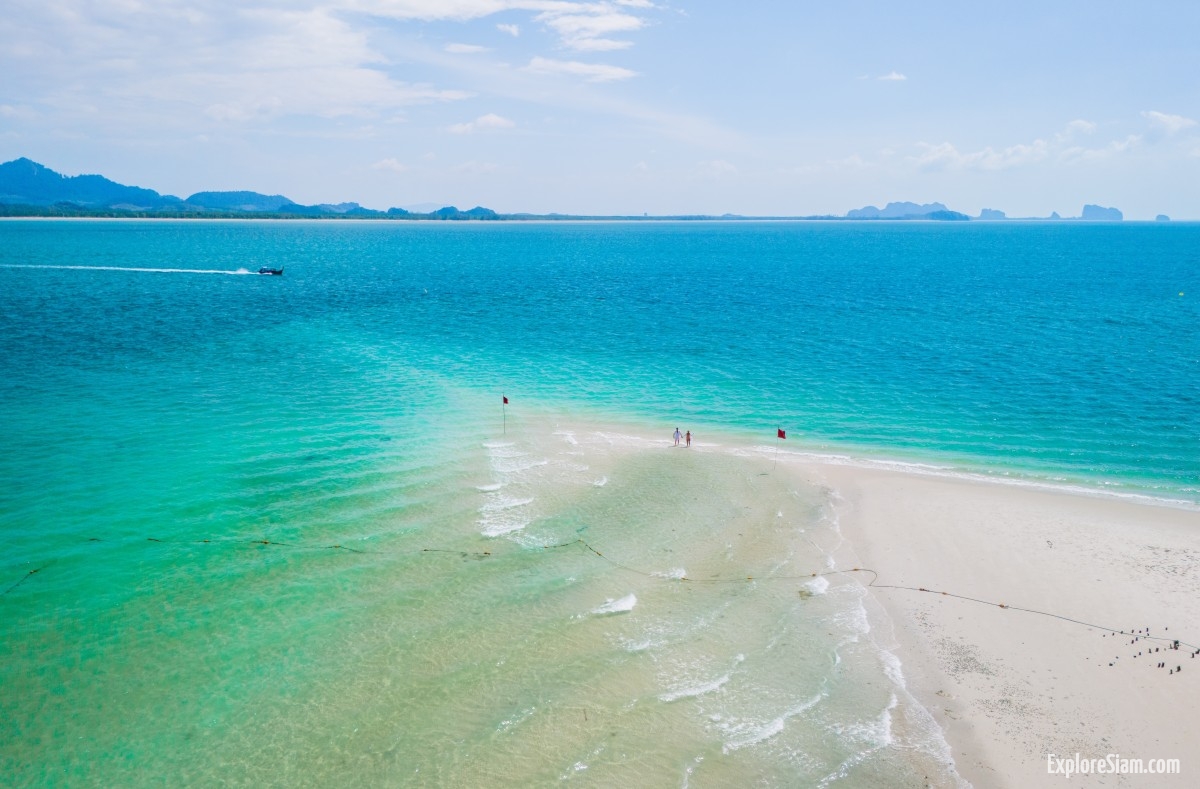
The Andaman Sea is notorious for unpredictable weather. When a boat capsizes there, the chances of rescue are slim. Search and rescue operations in these waters are often delayed by jurisdictional squabbles. Countries often spend more time arguing about whose responsibility the survivors are than actually pulling people out of the water. This "push-back" policy, where navies literally tow boats back into international waters, is a silent killer.
Why Search and Rescue is Failing
The United Nations High Commissioner for Refugees (UNHCR) has been shouting into the void about this for years. They've documented a sharp rise in the number of people attempting these crossings, mostly Rohingya refugees fleeing Myanmar or leaving camps in Bangladesh. The math is simple and grim. More boats plus less regional cooperation equals more bodies in the water.
Rescue coordination centers in the region are often underfunded or politically hamstrung. Unlike the Mediterranean, where NGOs have at least some presence, the Andaman Sea is a vast, empty stretch where you're basically on your own. If a merchant ship doesn't happen to spot you, you're gone. And even then, many commercial captains are hesitant to stop. They know that bringing refugees aboard might mean being stuck at sea for weeks while governments refuse them entry to a port.
The Human Smuggling Economy
It's a mistake to think of these smugglers as small-time crooks. This is a sophisticated, multi-million dollar industry. They use social media to recruit. They have "brokers" in the camps. They promise safety and jobs in Malaysia or Indonesia. The reality is a bait-and-switch.
Once you're on that boat, you're no longer a human being to them. You're cargo. If the engine fails, the smugglers often jump onto a smaller, faster boat and leave the refugees to drift. I've heard accounts of people drifting for weeks, drinking salt water and eating toothpaste just to survive. By the time help arrives—if it arrives—the physical and psychological damage is permanent.
The Myth of the Better Life
The irony is that even if you survive the crossing, the "better life" rarely exists. You end up in a detention center. You're undocumented. You're vulnerable to human trafficking all over again. But for many, that risk is still better than the slow death of a refugee camp where food rations are being cut and violence is a daily reality.
International aid for these camps has been drying up. When the World Food Programme has to reduce the monthly allowance for a family, it's a direct signal to people that they need to leave. We're essentially starving people out of the camps and into the hands of smugglers.
Regional Politics vs Human Lives
The Association of Southeast Asian Nations (ASEAN) has a "non-interference" policy. It sounds good on paper for diplomacy, but it's a disaster for human rights. It allows member states to ignore the root causes of the migration while refusing to coordinate a response to the maritime fallout.
We need a regional disembarkation mechanism. That's a fancy way of saying countries need to agree on where people can safely land. Right now, it's a game of hot potato. Indonesia, Malaysia, and Thailand all have varying degrees of "not our problem" mentalities. Until there's a predictable, safe place for boats to dock, captains will keep looking the other way, and navies will keep pushing people back into the deep.
What Actually Works
History shows that when governments coordinate, deaths at sea drop. We saw it during the 2015 crisis to some extent, though it was temporary. What works isn't more patrols or bigger fences. It's proactive search and rescue. It's allowing UNHCR to process people quickly. It's pressure on the countries of origin to stop the persecution that drives the flight in the first place.
Don't buy the argument that rescue acts as a "pull factor." People aren't checking the maritime rescue stats before they flee a burning village. They're fleeing because they have to. Making the journey more dangerous doesn't stop them; it just ensures more of them die.
Steps to Take Right Now
If you want to move past the cycle of "thoughts and prayers" every time a boat goes down, the focus needs to shift toward immediate maritime safety and long-term legal status.
- Demand that your representatives support increased funding for the UNHCR and the International Organization for Migration (IOM). These groups are the only ones on the ground providing the basic needs that keep people from feeling forced onto a boat.
- Support NGOs like Arakan Project or Fortify Rights. They do the hard work of tracking these boats and documenting the abuses that lead to these departures.
- Push for a regional maritime agreement that prioritizes life over borders. If a boat is in distress, the nearest port must be opened. Period.
The tragedy in the Andaman Sea isn't an accident. It's an expected outcome of the current global stance on displaced people. Every day we don't fix the search and rescue protocols, we're basically signing off on the next 250 deaths. Stop looking at these as statistics and start seeing the policy failures that they really are.