The glow of a smartphone screen at 2:00 AM isn't just light. It is a pulse. For a creator like Sarah—let’s call her Sarah, though she represents thousands of artists currently staring at their analytics—that pulse feels like a failing heartbeat. She spent six hours editing a ninety-second clip for TikTok. It’s snappy, rhythmic, and perfectly tuned to the chaotic frequency of the modern internet. On TikTok, it explodes. On Instagram Reels, it catches fire.
But then there is Facebook.
Sarah looks at her Facebook page, a digital dusty attic filled with birthday reminders from people she hasn't spoken to since 2012 and political rants from distant uncles. To her, Facebook is where content goes to die. It is the graveyard of the "viral."
Meta knows this. They feel the silence in the hallways of their flagship platform. They are watching the cultural center of gravity shift toward ByteDance and Google’s short-form offerings. This isn't just a corporate rivalry; it is an existential scramble for the one thing money usually can't buy: coolness.
So, they are trying to buy it anyway.
The Bounty on the Outsiders
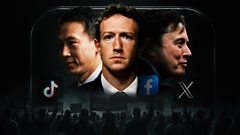
Mark Zuckerberg’s empire has decided that if you can’t build a culture, you must import it. Meta is currently rolling out a massive financial offensive, dangling fat checks in front of creators who have built their empires elsewhere. They aren't just looking for "influencers." They are looking for the cool kids from the other schools—the TikTok stars with the lightning-fast transitions and the YouTube vloggers who command cult-like devotion.
The strategy is simple and brutal. Meta is offering direct payments to high-performing creators to post their content on Facebook.
Think about the irony. For a decade, Facebook was the destination. You built a community there because that was the internet. Now, the platform is acting like a desperate nightclub owner offering free bottles of champagne to celebrities just to get them to walk through the front door. They need the "vibe" to rub off on the furniture.
This isn't just a standard ad-revenue split. This is a targeted poaching operation. By incentivizing creators who are already dominant on TikTok and Instagram, Meta hopes to trick the algorithm into feeling younger. They want to turn the Facebook feed from a feed of shared news articles and family photos into a continuous, high-octane stream of professional-grade entertainment.
The Physics of the Pivot
To understand why this feels so forced, we have to look at the math of attention. On TikTok, the "For You" page is an aggressive discovery engine. It doesn't care who you follow; it cares what you like. Facebook, by contrast, was built on the "Social Graph"—the idea that you want to see what your friends see.
That model is breaking.
We don’t want to see what our friends see anymore. We want to see what is objectively the best, funniest, or most shocking thing on the planet at this exact second. This shift is what tech insiders call the "Interest Graph."
Meta is trying to pivot a massive, multi-billion-ton ocean liner in the middle of a storm. They are moving away from "social" and toward "media." But media requires stars. If the stars aren't being born on your platform, you have to kidnap them with a suitcase full of cash.
Consider the hypothetical math for a creator with five million followers on TikTok. On that platform, their income might be a volatile mix of brand deals and a meager "Creator Fund" that pays pennies for millions of views. Then comes Meta. They offer a guaranteed floor. They offer "Performance Bonuses." They say, "Just post what you're already making. We’ll pay you more than the others combined."
It sounds like a win. But there is a hidden cost to the soul of the work.
The Authenticity Tax
When you move a performance from a dive bar to a corporate gala, something changes. The lighting is better, the pay is higher, but the air feels thinner.
Creators who take the Meta money face a unique challenge: the Facebook audience is fundamentally different. It’s older. It’s more reactive. It’s less fluent in the hyper-fast visual language of Gen Z. When a creator drops a high-energy TikTok dance or a surrealist comedy sketch into the Facebook ecosystem, it often lands with a thud.
The comments sections become a clash of civilizations. You have the creator’s imported fans cheering, while the "native" Facebook users—the ones who are there to see pictures of their grandkids—react with confusion or hostility.
Meta is betting that if they flood the zone with enough high-quality content, the audience will eventually adapt. They want to retrain your brain to expect TikTok-style dopamine hits while you’re checking your notifications. They are trying to manufacture a cultural shift through sheer financial brute force.
The Ghost in the Machine
We often talk about these platforms as if they are neutral tools. They aren't. They are psychological environments.
Instagram is a gallery. TikTok is a stage. Facebook is a town square that has slowly been taken over by billboards. By paying creators to move in, Meta is essentially hiring actors to stand in the town square and perform tricks. It’s an attempt to mask the fact that the actual citizens of the town have stopped talking to each other.
There is a desperate quality to this move. It signals that the internal engine of innovation at Meta has stalled. For years, their tactic was to "Clone and Conquer." They saw Snapchat’s Stories and put them on Instagram. It worked. They saw TikTok and created Reels. It worked, mostly.
But now, cloning the features isn't enough. They have to clone the people.
The High Stakes of the "Follower"
For the creator, this is a dangerous game of diversification. Relying on one platform is like building a house on a rented volcano. Algorithms change overnight. Accounts get banned. Trends evaporate.
If you are Sarah, staring at your screen at 2:00 AM, the Meta check looks like a life raft. It’s a way to pay the rent while you figure out how to stay relevant in an industry that discards people at twenty-five. You take the money. You post the video. You watch the numbers climb on a platform you personally haven't enjoyed using in five years.
But what happens to the art?
When content is created for one environment and subsidized for another, it loses its "native" feel. It becomes "content" in the worst sense of the word—a gray, homogenized slurry designed to fill a void and trigger an algorithm. It isn't a conversation anymore. It’s a transaction.
The Long Road to Nowhere
The fundamental question remains: Can you buy a heart?
Meta can buy the videos. They can buy the creators' time. They can even buy a temporary spike in "engagement" metrics to show their shareholders during quarterly calls. But they are struggling to buy the one thing that made TikTok a juggernaut: the feeling that you are part of something happening now.
Facebook feels like then.
By the time a trend reaches Facebook, it has usually been chewed up and spit out by the rest of the internet. By paying creators to shorten that gap, Meta is trying to synchronize its clock with the rest of the world. But you can't force a pulse. You can't command a teenager to find a platform cool just because the person they follow was paid to be there.
The "Blue Giant" is sitting at the table, clutching its wallet, waiting for the party to start. It has hired the best DJs, the most famous guests, and the trendiest decorators. The lights are flashing. The music is loud.
But the guests can see the wires. They can see the "Sponsored" tags. They know that the only reason the stars are in the room is because the host is paying their mortgage.
The party continues, but everyone is looking toward the exit, wondering where the next real thing is starting—on a platform that doesn't have to pay people to show up.
Sarah hits "upload" on Facebook. The video begins to play. The view count ticks upward. She puts her phone down and closes her eyes, the blue light still burned into her retinas. She is richer today than she was yesterday, but as she drifts off, she realizes she hasn't looked at her own Facebook feed in months. She doesn't need to. She knows there’s nothing there but the echoes of people being paid to shout into the void.
The check cleared. The silence remained.