Rashid Khan is a wizard with a cricket ball. He is a national hero. He is also entirely out of his depth when it comes to the brutal, grinding mechanics of cross-border counter-terrorism.
The recent wave of condemnation from the Afghan cricket elite following Pakistani air strikes in Khost and Kunar is a masterclass in emotional projection over geopolitical reality. When a star athlete tweets a heartbreak emoji over a military strike, the world listens. But listening to a leg-spinner about the intricacies of the Durand Line is like asking a fighter pilot for advice on how to bowl a googly. It is the wrong expertise applied to a lethal problem.
The "lazy consensus" pushed by sports stars and casual observers is that these strikes are unprovoked acts of aggression against a sovereign neighbor. This narrative ignores the fundamental failure of the current administration in Kabul to manage its own backyard.
The Myth of the Innocent Border
We need to stop pretending the border between Afghanistan and Pakistan is a white-picket fence. It is a porous, violent friction point where non-state actors operate with functional impunity.
Pakistan’s decision to launch air strikes wasn't a random act of malice. It was a reaction to a surge in attacks by the Tehrik-i-Taliban Pakistan (TTP). In 2023 and early 2024, the frequency of cross-border raids increased by over 70%. When a state allows its soil to be used as a launchpad for insurgency against its neighbor, it effectively waives its right to cry "sovereignty" when that neighbor hits back.
- The TTP Factor: The TTP isn't a ghost. It's a structured militant group that has killed thousands of Pakistani civilians.
- Safe Havens: Intelligence reports from multiple regional players confirm that TTP leadership operates out of eastern Afghanistan.
- The Inaction Loop: Islamabad spends months pleading for Kabul to take action. Kabul offers "assurances" that never materialize into arrests.
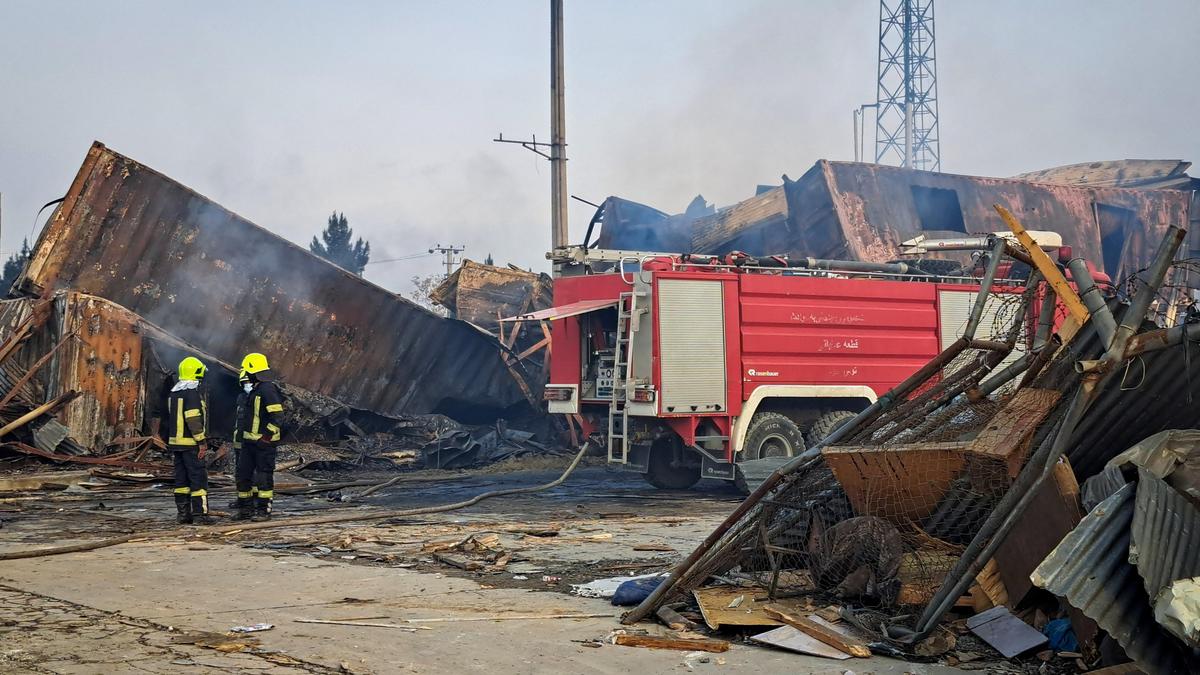
The result? Kinetic action. It’s ugly. It’s messy. It results in civilian casualties that are objectively tragic. But to frame this purely as "Pakistan attacking Afghans" is a dangerous oversimplification that ignores the TTP-shaped elephant in the room.
Why Rashid Khan is Wrong About Sovereignty
Sovereignty is a two-way street. It is a contract. A state maintains sovereignty by exercising control over its territory and ensuring that territory does not become a threat to international peace.
If you cannot or will not stop a militant group from firing rockets into a neighboring country from your front porch, you have lost the moral and legal high ground to complain when the neighbor destroys the rocket launcher.
Cricketers like Rashid Khan and Mohammad Nabi are using their massive platforms to fuel a nationalist fire without acknowledging the governance vacuum that necessitates these strikes. By focusing entirely on the reaction (the air strike) and ignoring the action (the TTP raids), they are providing PR cover for the very instability that keeps Afghanistan in a state of perpetual conflict.
The False Premise of Humanitarian Outrage
People often ask: "Why can't they just use diplomacy?"
This question is flawed because it assumes both parties have the same definition of diplomacy. Pakistan has sent dozens of high-level delegations to Kabul. They have provided GPS coordinates of training camps. They have provided names.
The response from the Afghan side is typically a blend of denial and "strategic depth" posturing. When diplomacy is used as a stalling tactic to let militants regroup, it ceases to be a tool for peace. It becomes a weapon of war.
I have watched regional analysts struggle with this for a decade. The mistake they make is treating the Taliban-led government like a traditional Westphalian state. It isn't. It’s a fractured coalition of ideologues who lack the internal cohesion to rein in the TTP even if they wanted to.
The Cost of Neutrality
There is a downside to this hardline view. Air strikes are a blunt instrument. They often hit the wrong targets. They radicalize the local population. They create a new generation of insurgents.
- Collateral Damage: The death of women and children in these strikes is a strategic failure for Pakistan as much as it is a humanitarian disaster. It loses them the "hearts and minds" battle instantly.
- Long-term Stability: You cannot bomb your way to a friendly neighbor.
However, acknowledging these downsides doesn't make the status quo acceptable. Sitting back and allowing the TTP to dismantle Pakistani internal security is not a "peace" strategy; it is a slow-motion suicide pact.
The Celebrity Echo Chamber
Social media has democratized the ability to influence foreign policy, and that is a problem. When a celebrity with 10 million followers posts about a complex military engagement, they flatten the nuance. They turn a multifaceted security crisis into a binary "Good vs. Evil" story.
This "sports-washing" of geopolitical reality prevents the public from understanding why these conflicts happen. It prevents pressure from being put on the Afghan authorities to actually fulfill their counter-terrorism obligations. If the international community only sees the air strike and never the terror cell it was targeting, the terror cell wins the information war.
We have to stop looking to athletes for moral clarity on border disputes. Their job is to win matches. The job of a state is to protect its citizens from militant violence, even if that means making the deeply unpopular, violent choice to strike across a border.
Stop Asking if the Strikes are Legal
Start asking why the TTP still has an office in Afghanistan. Start asking why the border remains an open door for suicide bombers.
The "People Also Ask" section of this conflict is usually filled with queries about international law. Here is the brutal truth: International law is a suggestion when your soldiers are being ambushed by militants hiding across an invisible line in the dirt.
If the Afghan government wants the strikes to stop, the solution is simple. It doesn't involve more tweets from cricketers. It involves clearing out the border provinces of groups that want to burn Pakistan to the ground.
Until Kabul treats the TTP as a threat to its own legitimacy, Pakistan will continue to treat the Afghan border as a battlefront. No amount of celebrity outrage will change the physics of that security dilemma.
Cricket is a game of rules. Border security is a game of survival. Don't confuse the two.