The Cold Air in the Room
Somewhere in a small, drafty apartment in Tallinn, an elderly woman named Elena keeps a packed suitcase under her bed. It has been there for years. It contains a wool coat, a folder of family deeds, and a battery-powered radio. She doesn’t talk about it often, but she checks the zipper once a month. To her, security isn't an abstract policy debate held in carpeted rooms in Washington or Brussels. It is the physical distance between her front door and a border that has shifted before.
When Donald Trump stood before a crowd and renewed his assault on NATO, claiming the alliance "wasn't there" for the United States and wouldn't be there in the future, he wasn't just talking about budgets. He was pulling at a thread. If that thread snaps, the suitcase under Elena’s bed becomes the most important thing she owns.
The North Atlantic Treaty Organization is built on a single, terrifyingly simple promise: Article 5. It says that an attack on one is an attack on all. It is a blood oath. But an oath is only as strong as the person making it. When the most powerful man in the world suggests the oath is expired, the foundation of the house starts to moan.
The Ledger and the Life
The argument being sold is one of a bad business deal. The narrative is simple: America pays the bills, and Europe sits on its hands. From a purely transactional perspective, the numbers show a gap. Only a portion of the thirty-two member nations currently meet the target of spending 2% of their GDP on defense. To a real estate mogul or a private equity manager, this looks like a parasitic relationship. It looks like a subscription service where half the members are using a stolen password.
But geopolitics is not a strip mall.
Consider a hypothetical sergeant in the Polish army named Marek. Marek spends his days patrolling the Suwalki Gap, a narrow strip of land that connects the Baltic states to their NATO allies. If Marek believes that the United States will hesitate—even for an hour—because of a dispute over a budget spreadsheet, his entire tactical reality changes. Doubt is a weapon. It is a weapon that costs nothing to deploy but creates a vacuum that an adversary is all too happy to fill.
The claim that NATO "wasn't there" for America is a fascinating bit of historical revisionism. Logic dictates we look at the one and only time Article 5 was actually triggered. It wasn't to protect a European city. It was triggered on September 12, 2001. When the smoke was still rising from the ruins of the Twin Towers, European pilots were flying AWACS planes over American soil to protect U.S. airspace. Soldiers from London, Berlin, and Warsaw eventually went to the mountains of Afghanistan. Many of them never came home. They didn't die for a 2% spending target. They died for the oath.
The Cost of the Void
The rhetoric isn't just a campaign stump speech; it is a signal. When a leader says the alliance is "obsolete" or "unreliable," he is essentially telling every mid-sized country in the world that they are on their own. This shifts the global psyche from cooperation to survivalism.
If the shield is lowered, what happens to the neighborhood?
Imagine a row of houses. For seventy-five years, they have shared a private security firm. Because of that security, none of the homeowners felt the need to buy their own landmines or install high-voltage fences. They spent that money on better schools, modern hospitals, and high-speed rail. This is the "peace dividend." It is the reason Europe looks the way it does today.
If the security firm announces it might quit because the fees are uneven, the homeowners don't just complain. They start arming themselves. They stop building schools and start buying anti-tank missiles. This is already happening. Germany, a nation that spent decades allergic to military expansion, is suddenly scrambling to rebuild a force that can actually fight. Poland is on a buying spree, turning itself into one of the most formidable land powers on the continent.
But this isn't a victory for American taxpayers. A re-armed, fractured, and paranoid Europe is a place where old ghosts wake up. Stability is the most valuable commodity in the world, and we have lived in it so long we have forgotten what the alternative tastes like. It tastes like iron. It tastes like the 1940s.
The Invisible Stakes
The debate often centers on "America First." It is a powerful slogan. It suggests that by withdrawing from the world’s messy entanglements, the United States can save its strength and its cash. It sounds like common sense until you look at the map of global trade.
The American economy is a massive engine that requires a stable, predictable world to function. If the Baltic Sea becomes a contested war zone, if the North Atlantic becomes a playground for unchecked aggression, the price of a gallon of milk in Ohio goes up. The microchips in our phones, the fuel in our cars, and the clothes on our backs rely on a world where borders are respected because everyone knows the consequences of crossing them.
We are talking about the architecture of reality.
When Trump claims NATO "won't be there in the future," he is performing a self-fulfilling prophecy. Trust is not a faucet you can turn off and on. Once you tell your partner you might not show up to help them in a fight, they never look at you the same way again. They start looking for new friends. Or, worse, they start making deals with your enemies because they have no other choice.
The Ghost in the Machine
There is a psychological weight to this that rarely makes the evening news. It’s the feeling of a world unmoored. For three generations, the West has operated under the assumption that there are certain lines that cannot be crossed. This certainty allowed for the greatest explosion of human prosperity in history.
Now, that certainty is being replaced by a "maybe."
Maybe we will help. Maybe we won't. Maybe it depends on how we feel that day. Maybe it depends on whether you bought enough of our airplanes last year.
For the people living in the shadow of the Kremlin, "maybe" is a death sentence. It is the sound of the suitcase being zipped up under the bed. It is the realization that the giant across the ocean, the one who promised to stand watch, is tired of the job.
The real tragedy isn't the money. The money is just paper and digital entries. The real tragedy is the erosion of the idea that some things are more important than a transaction. If the world’s greatest democracy views its most vital alliances as a protection racket, then the concept of a "free world" ceases to exist. We are left with a world of spheres of influence, where the strong do what they can and the weak suffer what they must.
We have been there before. The history books are full of the results. They are written in cemeteries that stretch for miles across the French countryside.
The Choice of a Lifetime
We are currently standing in the doorway, deciding whether to step out into the storm. The rhetoric about NATO isn't just about "getting a better deal." It is about whether we believe in the collective defense of an idea or the individual pursuit of an advantage.
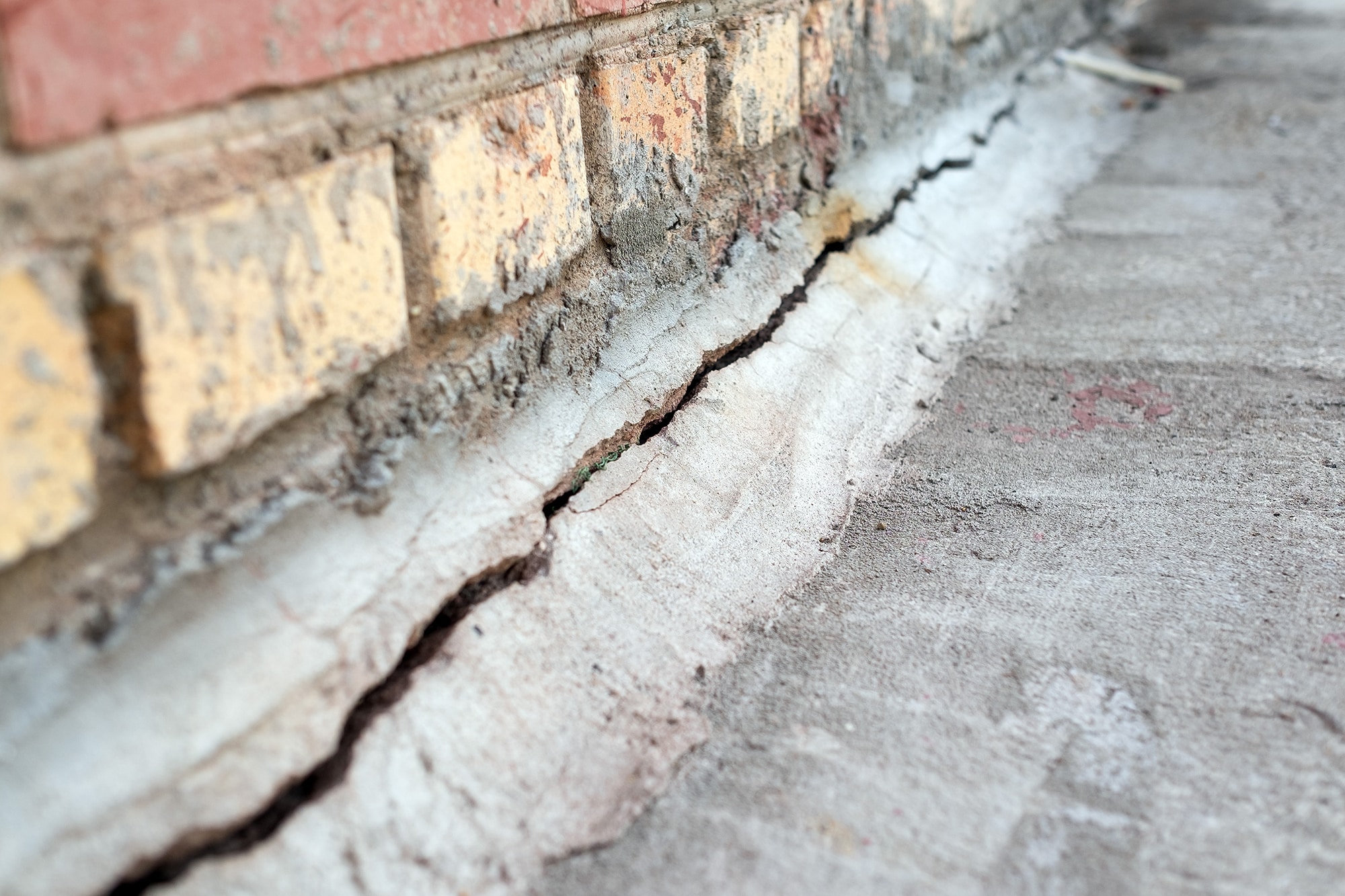
If we choose the latter, we might save a few billion dollars this year. We might feel a momentary surge of pride in "putting ourselves first." But we will eventually find that a house with a cracked foundation cannot be saved by painting the walls.
Elena in Tallinn knows this. She doesn't need to read the polling data or the budget reports. She just listens to the tone of the voices coming across the Atlantic. When those voices turn cold and transactional, she reaches under her bed to make sure the radio has fresh batteries. She knows that when the great powers start talking about what they "owe" each other, the small people are the ones who pay the bill.
The light in the hallway flickers. The wind outside is picking up. We can pretend the house is solid, or we can start reinforcing the beams. But we should be very careful about mocking the roof that has kept us dry for seventy-five years, because once it’s gone, you realize that no amount of money can buy back the feeling of being safe.