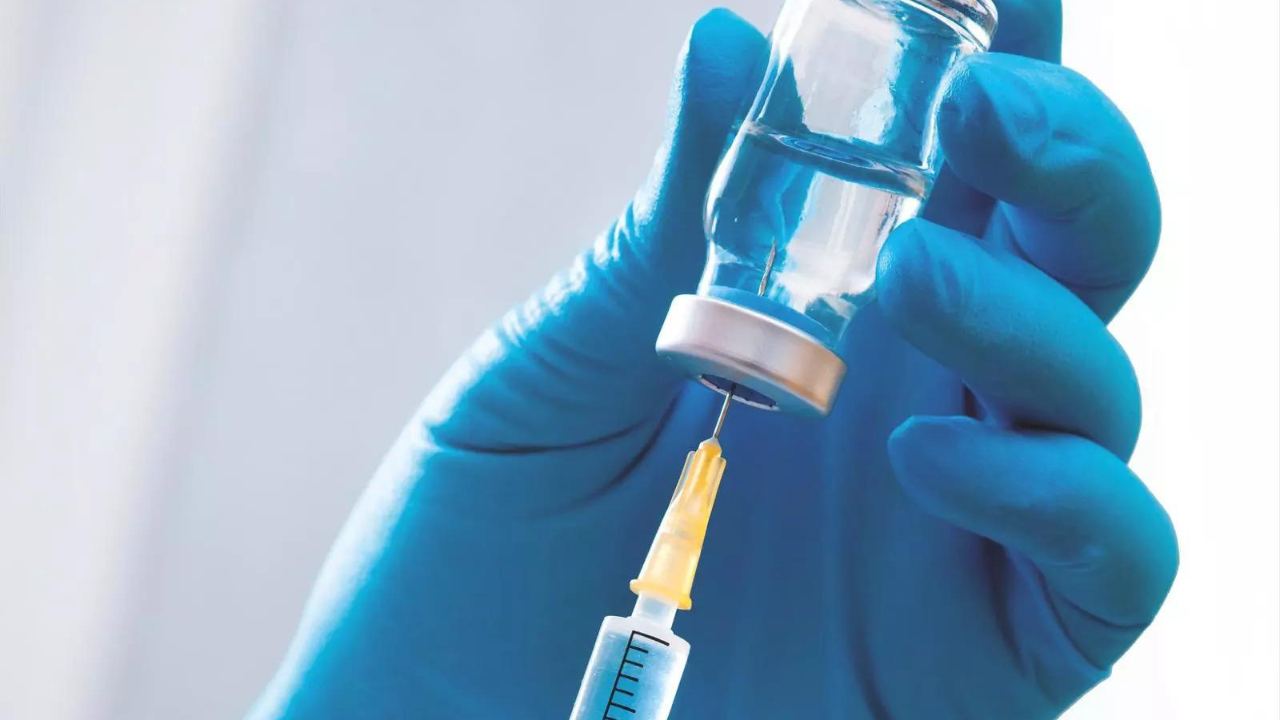
The nightmare in Ratodero did not begin with a needle. It began with a systemic collapse of basic medical ethics that allowed a single pediatrician to allegedly infect hundreds of children with HIV. In early 2019, parents in this small Pakistani town noticed their children were not recovering from routine fevers. By the time the dust settled on the initial investigation, 331 children and nearly 100 adults had tested positive for the virus. The culprit was not a mystery of science, but a blunt failure of regulation. Dr. Muzaffar Ghanghro, himself HIV-positive, was accused of reusing syringes to save a few rupees per patient. This was not an isolated incident of malpractice; it was the inevitable result of a healthcare system that treats sterilization as an optional luxury rather than a non-negotiable requirement.
The scale of the outbreak in Sindh province exposed a grim reality that global health officials had ignored for years. Pakistan is one of the few countries in the world where HIV rates are actively rising. While the global narrative focuses on high-risk populations like intravenous drug users or sex workers, the Ratodero crisis shifted the lens toward the "GP clinic"—the very place families go for healing. The investigation revealed that the reuse of syringes was a standard operating procedure for many low-cost practitioners in the region.
The Economics of a Dirty Needle
In a country where the public health budget is perennially squeezed, the private "street clinic" fills the gap. These clinics operate with almost zero oversight. To understand why a doctor would reuse a syringe, you have to look at the brutal margins of rural medicine. When a patient pays less than a dollar for a consultation and medicine, the practitioner looks for ways to shave costs. A single-use syringe costs pennies, but across thousands of patients, those pennies become the profit margin.
This isn't just about one "rogue" doctor. The World Health Organization (WHO) found that many practitioners in the area were unaware of the risks or simply indifferent. They weren't just reusing needles; they were sharing IV bags between patients and failing to clean basic surgical tools. The culture of the "quick fix" injection also fuels this fire. In Pakistan, patients often demand an injection or a drip for even the most minor ailments, believing that a pill is less effective. This cultural obsession with injectable medicine creates a high-volume environment where safety protocols are the first thing to be discarded.
A Ghost Infrastructure of Quacks
If you walk through the markets of Sindh, you will see "clinics" run by people with no formal medical training. These are the "quacks"—unlicensed practitioners who provide the bulk of primary care in rural Pakistan. Estimates suggest there are over 200,000 such practitioners across the country. They are often the first point of contact for a mother with a sick child.
The government’s response to the Ratodero outbreak was a flurry of activity that ultimately highlighted its own incompetence. They shuttered hundreds of clinics, but within weeks, many had reopened under different names or moved a few blocks away. The provincial healthcare commission lacks the manpower to police every alleyway. Even more damning is the fact that many of these unlicensed clinics are protected by local political interests.
The real horror of Ratodero is that the 331 children identified in the initial probe were likely just the tip of the iceberg. HIV has a long incubation period. A child infected in 2019 might not show symptoms for years. The social stigma associated with the virus in a deeply conservative society means that many families refused to have their other children tested, fearing they would be cast out of their communities. In Ratodero, being HIV-positive is often viewed as a moral failing rather than a medical condition. This stigma prevents the very data collection needed to stop the spread.
Blood Scarcity and the Black Market
Beyond the needle, the blood supply itself is a vector for disaster. Pakistan’s blood transfusion system is fragmented. While major hospitals have screening protocols, smaller private labs often bypass expensive screening kits for hepatitis B, C, and HIV. There is a thriving black market for blood, where professional donors—often drug users—sell their blood to unregulated centers.
When a child in a rural village needs an emergency transfusion after an accident or during surgery for a common condition like thalassaemia, the parents are often told to find the blood themselves. They turn to these unregulated labs. The result is a secondary wave of infection that is almost impossible to track. The Ratodero outbreak was the loud, explosive manifestation of a quiet, ongoing catastrophe of contaminated blood and reused equipment that has been simmering for decades.
The Failure of Global Surveillance
Why did it take over 300 children testing positive for the world to notice? The answer lies in the failure of local surveillance systems. Health data in Pakistan is notoriously unreliable. Deaths from "unknown fevers" are common in rural areas and are rarely investigated. The Ratodero cluster was only discovered because a local doctor, Imran Arabani, noticed an unusual pattern and had the courage to speak up, despite initial pressure from local authorities to keep quiet.
The international community, including the WHO and UNAIDS, sent teams to investigate, but their recommendations often clash with the reality on the ground. Telling a doctor to use a new syringe is one thing; ensuring there is a reliable supply chain of medical waste disposal is another. In many of these towns, even if a doctor uses a new needle, the "used" needles are simply tossed into the communal trash, where they are scavenged by children or sold back to shady distributors who repackage them as new.
The Pharmaceutical Complicity
The role of pharmaceutical distribution cannot be ignored. In a functional system, the sale of syringes and injectable drugs is tracked. In the unregulated markets of South Asia, these items are sold like candy. Wholesale markets in cities like Karachi or Lahore sell medical supplies in bulk to anyone with cash. There is no requirement to prove you are a licensed medical professional to buy a thousand syringes.
This ease of access allows the quack infrastructure to thrive. Large pharmaceutical companies often turn a blind eye to where their products end up, as long as the volume remains high. To fix this, the entire supply chain must be digitized and regulated. Every box of syringes should be traceable from the factory to the clinic. Without this accountability, the "repackage and reuse" cycle will never break.
Life After the Diagnosis
For the families in Ratodero, the diagnosis was a life sentence of poverty and isolation. Treating HIV requires antiretroviral therapy (ART) for life. While the government has set up specialized centers to provide these drugs for free, the hidden costs are devastating. Families must travel long distances to reach these centers, losing days of work. Many of the children are already malnourished, making the side effects of the medication even harder to bear.
There is also the psychological toll. Children who should be playing in the streets are instead being told they are "unclean." Schools have been known to turn away students whose status has leaked. This creates a cycle of secrecy where parents hide the illness, leading to missed doses of medication and the eventual development of drug-resistant strains of the virus.
The Regulatory Mirage
Pakistan has no shortage of laws. The Sindh Healthcare Commission Act was designed to regulate clinics and punish malpractice. However, the law is only as strong as its enforcement. Currently, the commission is understaffed and politically hamstrung. When a clinic is raided, the owners often call a local "wadera" (landlord) or politician who makes the problem go away.
True reform requires more than just closing shops. It requires a massive investment in the public health sector so that people aren't forced to choose between a quack and no care at all. It requires a total overhaul of medical education to emphasize hygiene and ethics over rote memorization. It requires a government that views the health of its poorest citizens as a matter of national security rather than a PR problem to be managed.
The tragedy of the 331 children is not a "freak accident." It is the logical conclusion of a system that values profit over life and tradition over science. Until the needle becomes a sacred, single-use instrument across every corner of the country, the next Ratodero is already happening in a clinic just down the road.
Stop the demand for unnecessary injections. Mandate the use of auto-disable syringes that physically break after one use, making it impossible to reuse them even if a doctor wanted to. This is the only way to bypass the human element of greed and negligence. Without this hardware-level solution, the cycle of infection will continue until the next whistleblower rings the alarm.