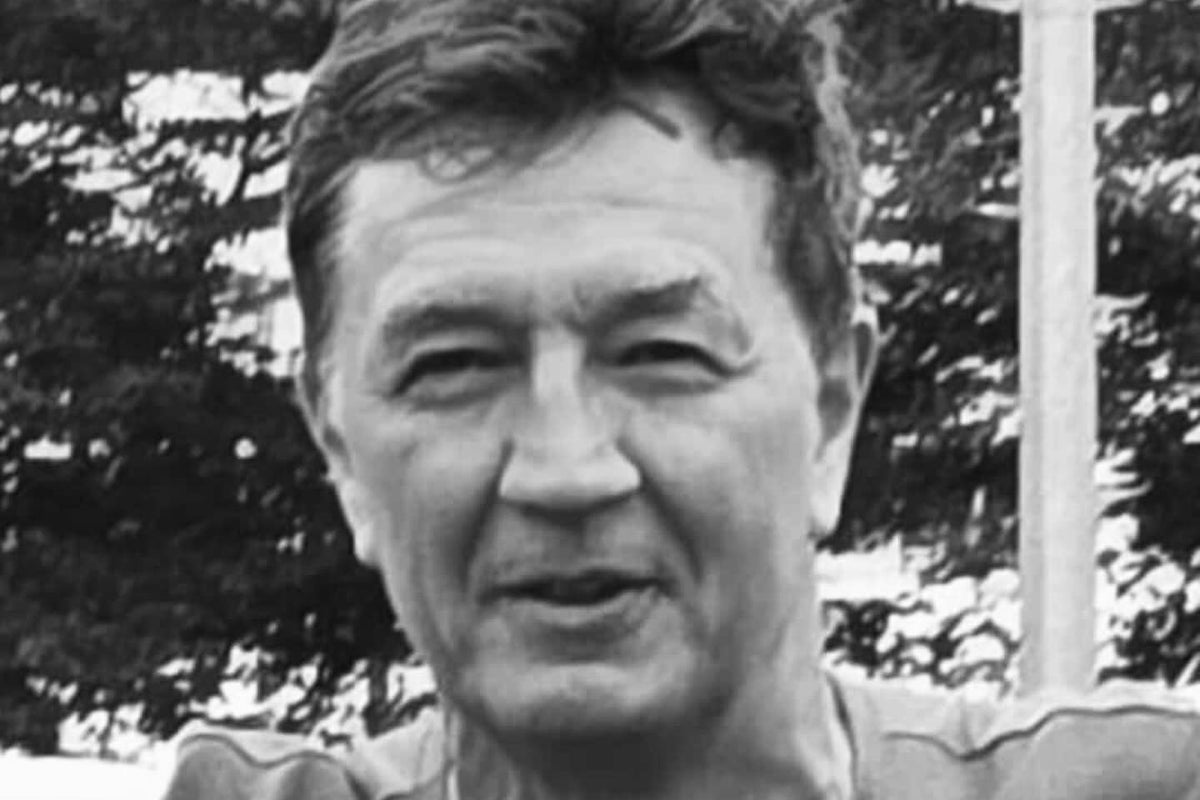
Dick Vitale is not just a voice. He is a frequency. For decades, the "Awesome with a capital A" energy of college basketball's most recognizable ambassador has served as the soundtrack to March. But recently, that frequency has been interrupted by a series of grueling medical dispatches. The latest bulletin arrived with a familiar defiance: a melanoma diagnosis. While Vitale claims he feels "fantastic," the reality of a 2026 cancer battle for a man in his mid-80s is far more complex than a social media update suggests. This isn't just about a legendary broadcaster’s health; it is a case study in how public figures navigate the terrifying intersection of private mortality and a professional brand built on relentless optimism.
Melanoma is the deadliest form of skin cancer. It does not care about your enthusiasm. It is a malignancy that begins in the melanocytes, the cells responsible for skin pigment, and it possesses a unique, aggressive ability to spread to internal organs if not caught with surgical precision. For Vitale, this is not his first brush with the "Big C." He has already stared down lymphoma and vocal cord cancer. His public stance remains one of unshakeable positivity, yet his diagnosis highlights a massive, growing gap in how we talk about skin health in the aging athletic community.
The Hidden Mechanics of the Melanoma Threat
Most people view skin cancer as a minor inconvenience—a quick "snip and stitch" at the dermatologist’s office. That is a dangerous misconception. While basal cell and squamous cell carcinomas are common and rarely fatal, melanoma is a different beast entirely. It behaves like an insurgent. Once it breaches the dermis, it can enter the lymphatic system or the bloodstream, hitchhiking to the lungs, liver, or brain.
The diagnostic process involves more than just looking at a suspicious mole. Doctors use the Breslow Depth measurement to determine how far the tumor has invaded the skin. A difference of a single millimeter can be the line between a routine procedure and a life-altering battle involving immunotherapy or targeted radiation. Vitale’s "fantastic" outlook is a psychological shield, but the physiological reality involves a rigorous schedule of PET scans and lymph node biopsies that would exhaust a man half his age.
The Geography of Risk
Skin cancer rates have climbed steadily over the last three decades. We are currently seeing the "sun damage debt" of the mid-20th century coming due. Men of Vitale’s generation grew up in an era where "healthy tans" were chased with baby oil and iodine, and sunscreen was an afterthought for the beach, not a daily requirement for the golf course or the stadium.
Outdoor sports culture, particularly in sun-drenched states like Florida where Vitale resides, creates a cumulative UV exposure profile that is staggering. Even though Vitale spent much of his career in air-conditioned arenas, the transition to the off-season and the high-visibility lifestyle of a sports celebrity often involves significant time under the sun’s direct blast.
Why Positivity is a Double Edged Sword in Oncology
There is a specific pressure on "tough" public figures to perform wellness. We expect our sports heroes to "beat" cancer the same way they might erase a ten-point deficit in the second half. This creates a narrative of the "warrior" that can sometimes obscure the grinding, unglamorous reality of treatment.
When a celebrity like Vitale tells his millions of followers that he feels great, it serves two purposes. First, it maintains the value of his personal brand, ensuring networks and sponsors that he is still a viable asset. Second, it provides a morale boost to others facing similar struggles. However, there is a risk. It can minimize the perceived severity of melanoma for the general public. If "Dickie V" is fine, then the mole on your shoulder can wait another six months, right? Wrong.
Positivity does not shrink tumors. Science does. The modern arsenal against melanoma has shifted away from traditional chemotherapy toward Checkpoint Inhibitors. These drugs essentially "unmask" the cancer cells, allowing the patient's own immune system to recognize and destroy them. While these treatments have revolutionized the survival rates for Stage IV melanoma, they come with a laundry list of autoimmune side effects that rarely make it into a "feeling fantastic" tweet.
The Medical Industrial Complex and the Aging Icon
Vitale’s medical journey is occurring at the pinnacle of healthcare. He has access to the best oncologists at institutions like Sarasota Memorial and the Mayo Clinic. For the average person, the "why" behind their cancer might be environmental or genetic, but the "how" of their recovery is dictated by insurance premiums and wait times.
There is a brutal disparity in how skin cancer is caught and treated. Early detection through regular dermatological mapping can result in a 99 percent five-year survival rate. If the cancer spreads to distant organs, that number historically plummeted, though modern medicine has dragged it up toward 30 to 40 percent. By being vocal, Vitale is effectively running a massive, unpaid public service announcement, but the focus remains on his spirit rather than the clinical necessity of early screening.
The Biological Clock vs The Career Clock
For a broadcaster, your voice and your face are your tools. Vitale has already suffered through surgeries that threatened his ability to speak. A melanoma diagnosis on the face or scalp—common areas for sun-exposed seniors—can require Mohs Surgery, a precise micrographic technique that removes layers of tissue until no cancer remains. Depending on the size of the lesion, this can involve significant reconstructive work.
For a man who lives to be in front of the camera, the physical toll of these procedures is a direct threat to his identity. Vitale isn't just fighting for his health; he is fighting to remain the person the world knows him to be. The "V-Foundation" has raised hundreds of millions for cancer research, making Vitale perhaps the most successful fundraiser in sports history. There is a profound, almost cruel irony in the fact that the man who spent his life begging for money to kill "this dreaded disease" is now being hunted by it for the third time.
The Reality of Post Treatment Surveillance
Even if the immediate surgery is a success, the "all clear" is a myth in the world of melanoma. Survivors enter a phase of "scanxiety"—the period leading up to regular check-ups where every minor ache or new spot is viewed as a potential recurrence.
Standard protocol for a patient with Vitale’s history includes:
- Full-body skin exams every three months.
- Regular imaging (CT or MRI) to monitor for internal metastasis.
- Blood work to check for specific markers of inflammation or organ stress.
The "fantastic" feeling Vitale describes is likely the relief of a successful initial procedure, but the marathon is just beginning. The industry often ignores the long-term psychological burden on elderly patients who must balance the desire for a peaceful retirement with the rigors of chronic medical surveillance.
The Industry Shift in Sun Protection
The sports world is finally waking up to the skin cancer crisis, but it is doing so decades too late for many of its legends. We now see MLB dugouts with sunscreen dispensers and NFL coaches wearing high-UPF (Ultraviolet Protection Factor) clothing on the sidelines. These are not fashion choices; they are risk management strategies.
Vitale’s diagnosis should serve as the final siren for the "tan is healthy" era. The reality is that skin damage is cumulative. The sunburn you got during a spring break trip in 1975 is currently sitting in your DNA like a time bomb, waiting for your immune system to weaken just enough to begin its uncontrolled division.
The Unspoken Burden of Being an Inspiration
There is a weight to being "the cancer guy." Because Vitale has made it his life’s work to fund research, he is expected to be the ultimate success story. He cannot have a bad day. He cannot show the world the exhaustion that comes with being 85 and undergoing general anesthesia.
This performance of strength is a double-edged sword. It inspires, yes, but it also creates a standard of "bravery" that is unattainable for many. True bravery isn't just smiling for a selfie in a hospital gown; it is the quiet, terrifying act of showing up for the treatment when you are tired of being poked and prodded. Vitale is doing both, but the public only sees the smile.
The investigative truth of the matter is that Vitale’s latest battle is a reflection of a broader systemic failure in how we view elderly healthcare and preventative dermatology. We celebrate the "fighter" but often ignore the conditions that allowed the fight to start in the first place—years of unprotected exposure and a culture that prizes a "bronzed" look over cellular integrity.
Vitale’s legacy is secure. Whether he is on the sidelines for another Final Four or not, his impact on cancer funding is unparalleled. But as we watch him navigate this latest hurdle, we must look past the "Awesome, Baby!" catchphrases. We must see the clinical reality of a man fighting a sophisticated biological enemy.
Check your skin. Not next month. Today. The most hard-hitting truth in this entire narrative is that the "legendary" status of a person offers zero protection against the biology of a mutating cell. If you have a spot that is changing shape, color, or size, get it biopsied. Do not wait for a celebrity to tell you it's okay, and do not assume that feeling "fantastic" means you are out of the woods. In the game of melanoma, the only way to win is to never let the opponent get off the bench.