Edmontonians love to complain about the paper bags that rip the moment a drop of condensation hits them. We hate the 15-cent charge for a bag we didn't want and the 1-dollar fee for a reusable one we already have fifty of at home. Since the Single-Use Item Reduction Bylaw kicked in, the grumbling in drive-thru lanes has been constant. But here is the reality that nobody wants to hear while they're fumbling with a cardboard straw that's turning into mush. It’s working.
The city's goal wasn't to make your life easier. It was to stop the bleeding. Before this bylaw, we were tossing millions of pieces of plastic into the landfill every single year—items that take centuries to decompose and often don't even make it to the trash, ending up in our river valley instead. If you're looking for a sign that policy can actually shift human behavior, this is it. We are finally seeing the data that proves a little bit of forced inconvenience goes a long way.
The Numbers Do Not Lie Even If You Hate The Bags
City administration recently released a check-in on how the first year of the bylaw performed. The results are stark. We’ve seen a massive drop in the distribution of single-use items across the city. Small businesses and massive fast-food chains alike have had to pivot. According to the city’s waste brand audit data, the presence of plastic shopping bags in our litter stream has plummeted.
It isn't just about what we see on the ground. It’s about the massive volume of waste that never gets created in the first place. When you have to pay for a bag, you suddenly remember you have one in the trunk. When a server asks if you actually need a napkin or a plastic fork for your takeout, most people realize they're just going to eat at home anyway. That "ask first" policy is the secret weapon of this entire initiative. It targets the mindless consumption that defines modern convenience.
We’re talking about an estimated reduction of over 100 million single-use items annually in Edmonton. That’s not a rounding error. That is a fundamental shift in the city’s environmental footprint. While the "unpopularity" of the bylaw makes for great talk radio segments, the environmental dividends are paying out in real-time.
Why The 15 Cent Fee Is The Most Effective Annoyance In Alberta
People hate being nickel-and-dimed. That’s exactly why the fee works. If the city just asked nicely for us to bring bags, we wouldn’t do it. We’re lazy. But 15 cents for a paper bag? It feels like a penalty. It’s a psychological trigger that forces a moment of mindfulness.
I’ve seen it at the grocery store. People will balance four cartons of milk and a loaf of bread in their arms like a circus performer just to avoid paying that fee. It’s hilarious, but it’s effective. We are being conditioned to view "disposable" items as having a cost, which they always did—we just offloaded that cost onto the environment and the municipal tax base that has to manage the landfill.
Critics argue that the fee is a cash grab for businesses. Technically, they aren't wrong. The money stays with the retailer; it doesn't go to the city. While that feels unfair to the consumer, it was a deliberate move to ensure business buy-in. It offsets the higher cost of paper or compostable alternatives. If the city took the money, businesses would fight the bylaw twice as hard. This compromise keeps the wheels turning.
The Paper Bag Problem And The Myth Of Perfect Alternatives
Let’s be honest. Paper bags suck for takeout. If you’re grabbing a greasy bag of burgers, that paper is going to look like a crime scene by the time you get home. This is the biggest sticking point for Edmontonians. We’ve traded a durable, waterproof plastic bag for a fragile, leaky paper one.
But focusing on the quality of the paper bag misses the entire point. The goal isn't to give you a "better" disposable bag. The goal is to make the disposable option so frustrating that you eventually give up and bring your own. The "shittiness" of the alternative is a feature, not a bug.
There’s also the carbon footprint argument. Yes, producing a paper bag or a heavy-duty reusable plastic bag requires more energy and water than a thin "single-use" plastic bag. To make a reusable bag environmentally "cheaper" than a plastic one, you have to use it dozens, sometimes hundreds of times. If you’re just buying a new reusable bag every time you go to the store because you forgot yours, you’re actually making the problem worse. This is the "reusable bag hoard" phenomenon, and it’s a legitimate criticism that the city needs to address through better education.
Small Businesses Are Caught In The Middle
While McDonald’s can absorb the logistical headache of switching straw types, your local independent coffee shop has it tougher. They’re dealing with razor-thin margins and customers who take their frustrations out on the person behind the counter.
Many local owners have had to spend hours sourcing compliant stir sticks and containers that won't break the bank. Some have seen their packaging costs double. The city has offered some grace periods and educational resources, but for the person running a mom-and-pop deli, the bylaw feels like another layer of red tape.
However, we are also seeing a wave of innovation. Some Edmonton businesses are moving toward "circular" models, where they offer high-quality containers that you can return for a deposit. This is where the real future lies. If we can move past the "disposable" mindset entirely, the paper bag debate becomes irrelevant.
What Needs To Change For This To Actually Last
The bylaw isn't perfect. The fact that many "compostable" plastics aren't actually accepted in Edmonton’s green bins is a massive point of confusion. People buy something labeled "eco-friendly," toss it in the organics, and it still ends up in the trash because our industrial composters can’t break it down fast enough. That’s a failure of communication and infrastructure.
We also need to talk about the drive-thru. Edmonton is a car city. We live and die by the drive-thru lane. The bylaw’s impact on fast food has been the most visible, but it’s also where the most waste is generated. The city needs to push harder for standardized, truly compostable packaging across all major chains so that the consumer doesn't need a PhD in waste management to know which bin to use.
Stop Waiting For The Rollback
If you’re waiting for the city to cave and bring back the plastic bags, don't hold your breath. The provincial government has toyed with the idea of limiting municipal powers on these bans, but the momentum is moving in the opposite direction globally. Federal regulations and international treaties are all pointing toward a massive reduction in virgin plastic production.
Edmonton is actually ahead of the curve here. By the time other cities are forced to implement these changes, we’ll already have the habits baked in. We’ll be the ones who automatically grab the bin of bags from the closet before heading out the door.
The next time you're annoyed by a 15-cent charge or a paper handle that snaps, take a breath. Look at the bigger picture. We’re finally paying the real price for our consumption. It’s uncomfortable, it’s annoying, and it’s exactly what needs to happen.
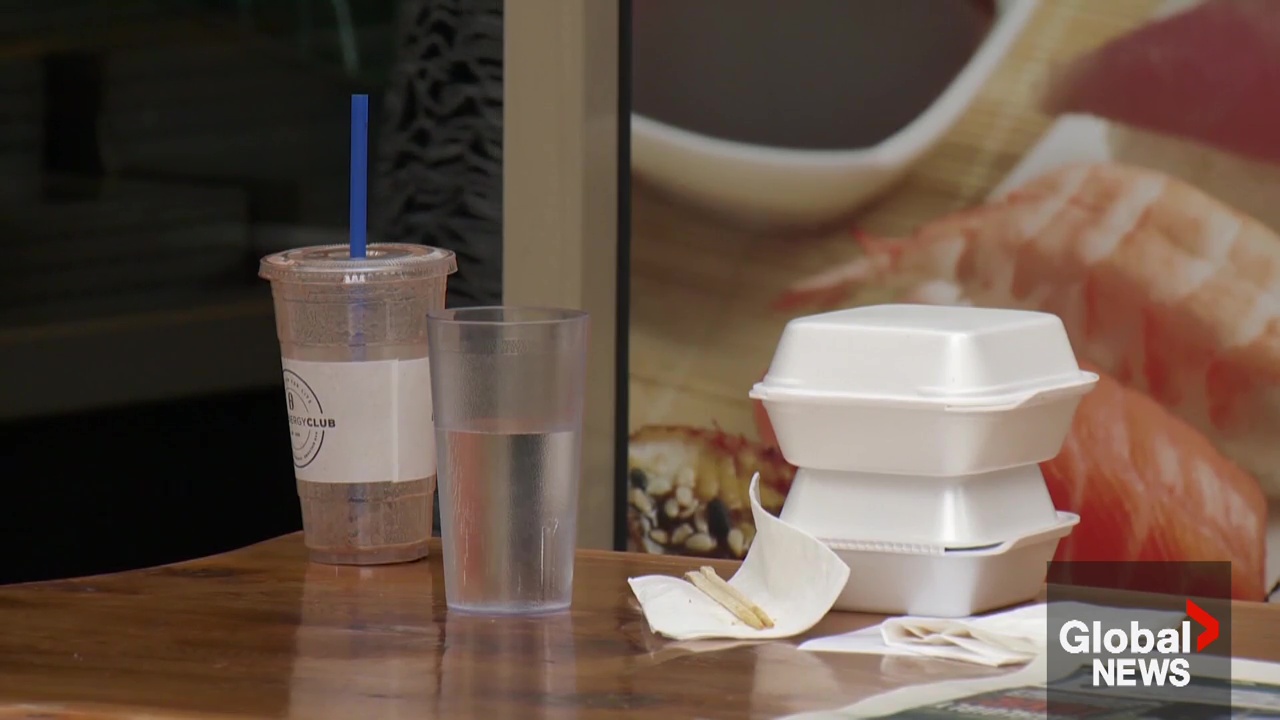
If you want to stop feeling the sting of the bylaw, stop participating in the disposable economy. Keep a small, foldable bag in your jacket pocket. Keep a set of bamboo cutlery in your glove box. Once you stop relying on businesses to provide you with trash, the fees stop mattering. The power is actually in your hands, even if it’s currently holding a soggy paper straw.