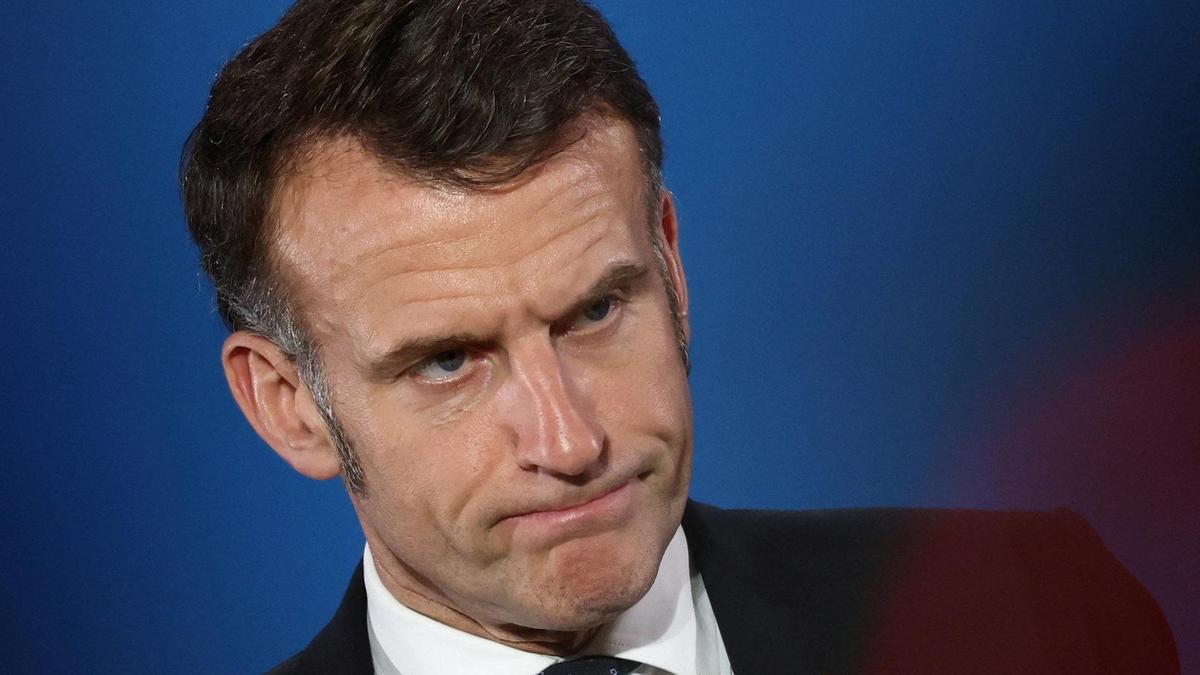
In a world increasingly carved into rigid power blocs, the sudden, high-stakes coordination between New Delhi and Paris is no longer just about hardware. It is a calculated middle path. On Thursday, Prime Minister Narendra Modi and French President Emmanuel Macron moved beyond the polite scripts of diplomacy to tackle a West Asian crisis that threatens the throat of global trade—the Strait of Hormuz. By demanding an immediate cessation of attacks on energy infrastructure, the two leaders have effectively signaled that the "Special Global Strategic Partnership" minted just weeks ago in Mumbai is now an active, interventionist force.
This is not a simple call for peace. It is a defensive maneuver by two nations that refuse to be collateral damage in the escalating conflict between Iran and Israel. For India, the stakes are existential. With global energy supplies fractured and the Indian Ocean turning into a theater for maritime confrontation, New Delhi is pivoting away from its traditional "wait and see" approach. France, meanwhile, is positioning itself as the only Western power capable of talking to the Global South without a lecture. Meanwhile, you can find related developments here: The Calculated Silence Behind the June Strikes on Iran.
The Hormuz Chokepoint and the Price of Silence
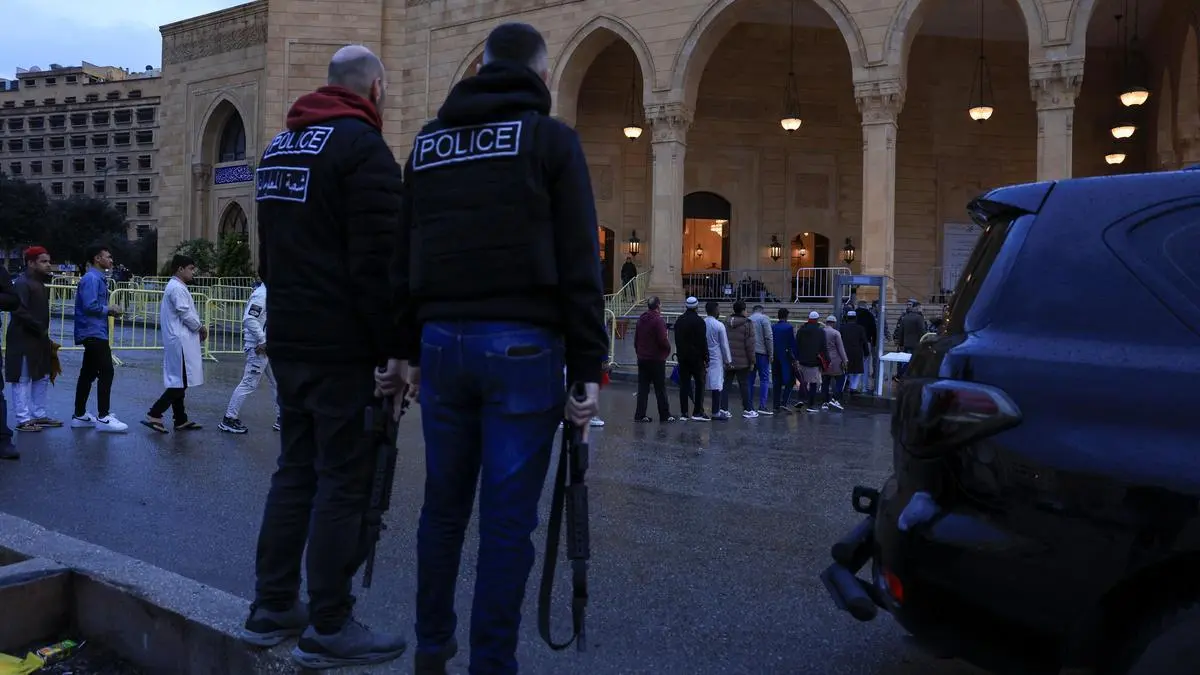
The recent strikes on the Ras Laffan gas facility in Qatar and Omani sovereign territory have pushed the Indo-French alliance into overdrive. When Modi spoke with Macron this week, the subtext was clear: the functional closure of the Strait of Hormuz is a red line. India, currently navigating a 30-day US waiver to purchase Russian oil, cannot afford a total blackout of Gulf energy.
Macron’s role here is distinct from his counterparts in Washington or London. While the US claims the Iranian navy is functionally destroyed, the reality on the water is a chaotic mess of GPS jamming, "dark" vessels, and missile risks that have driven container traffic down by nearly 90 percent. France and India are now working to establish what they call a "third way"—a diplomatic corridor that avoids the "with us or against us" hegemony of the superpower rivalry. To explore the complete picture, we recommend the excellent article by The Guardian.
Beyond the Rafale Deal
For decades, the Indo-French relationship was defined by the "troika" of defense, space, and nuclear energy. It was transactional. India bought jets; France provided technology. That era ended in February 2026. The new "Special Global Strategic Partnership" focuses on co-development rather than mere procurement.
The numbers are staggering. India is pushing for 50 percent indigenous content in the upcoming 114-aircraft Rafale deal—a contract valued at roughly $35 billion. But the real shift is in the dirt. The inauguration of the H125 helicopter assembly plant in Vemagal and the joint venture between Safran and Bharat Electronics to build Hammer missiles on Indian soil represent a fundamental transfer of sovereign capability.
The Mediterranean Gateway
The partnership is also moving into the infrastructure of the future. The recent Memorandum of Understanding between Adani Ports and the Port of Marseille Fos is a critical link in the India-Middle East-Europe Economic Corridor (IMEC). Even as the West Asian conflict threatens to derail IMEC, New Delhi and Paris are doubling down on the logistics. They are not just building ports; they are building a hedge against the volatility of the Suez Canal.
Strategic Autonomy as a Survival Tactic
Both leaders are obsessed with the concept of strategic autonomy. To Macron, this means a Europe that can defend itself without constant reliance on the American umbrella. To Modi, it means an India that can navigate a multipolar world without being forced into a formal alliance.
This shared DNA is why France has become India’s most reliable partner. Unlike other Western nations, France rarely attaches domestic political conditions to its strategic exports. When India refused to condemn the 2022 invasion of Ukraine, Paris didn't reach for sanctions; it reached for a deeper defense pact. This pragmatism is now being applied to the Iran-Israel war. By focusing on the "safe and free navigation" of the Strait of Hormuz, they are framing the issue as a global economic necessity rather than a moral crusade.
The AI Frontier
The cooperation is also bleeding into the digital realm. The AI Impact Summit 2026, held in Mumbai, highlighted a shared fear: that the governance of Artificial Intelligence will be monopolized by a few Silicon Valley firms or the Chinese state. India and France are now pushing for "sovereign AI," ensuring that the algorithms governing their societies are built on local data and local values. This is the new front of the strategic partnership. It is about who controls the mind of the machine, not just the steel of the tank.
A New Global Guardrail
The sudden flurry of phone calls between Modi, Macron, and leaders in Jordan, Qatar, and Oman suggests a new security architecture is being built on the fly. India is no longer just a "net security provider" in the Indian Ocean; it is becoming a diplomatic arbiter.
The transition from a "Strategic Partnership" to a "Special Global Strategic Partnership" is often dismissed as diplomatic fluff. In this case, the fluff has teeth. As the two nations prepare for the G7 summit in France later this year, the focus will shift from bilateral deals to a joint vision for a reformed United Nations Security Council. They are no longer asking for a seat at the table; they are building a new table.
The coming months will test whether this "third way" can actually de-escalate a region on the brink of total war. If the Indo-French axis can secure even a temporary moratorium on attacks against energy infrastructure, it will prove that the era of the single superpower is not just ending—it’s over.
Keep an eye on the upcoming Foreign Ministers Comprehensive Dialogue scheduled for later this year, where the specific mechanics of maritime "co-patrolling" in the Western Indian Ocean are expected to be finalized.