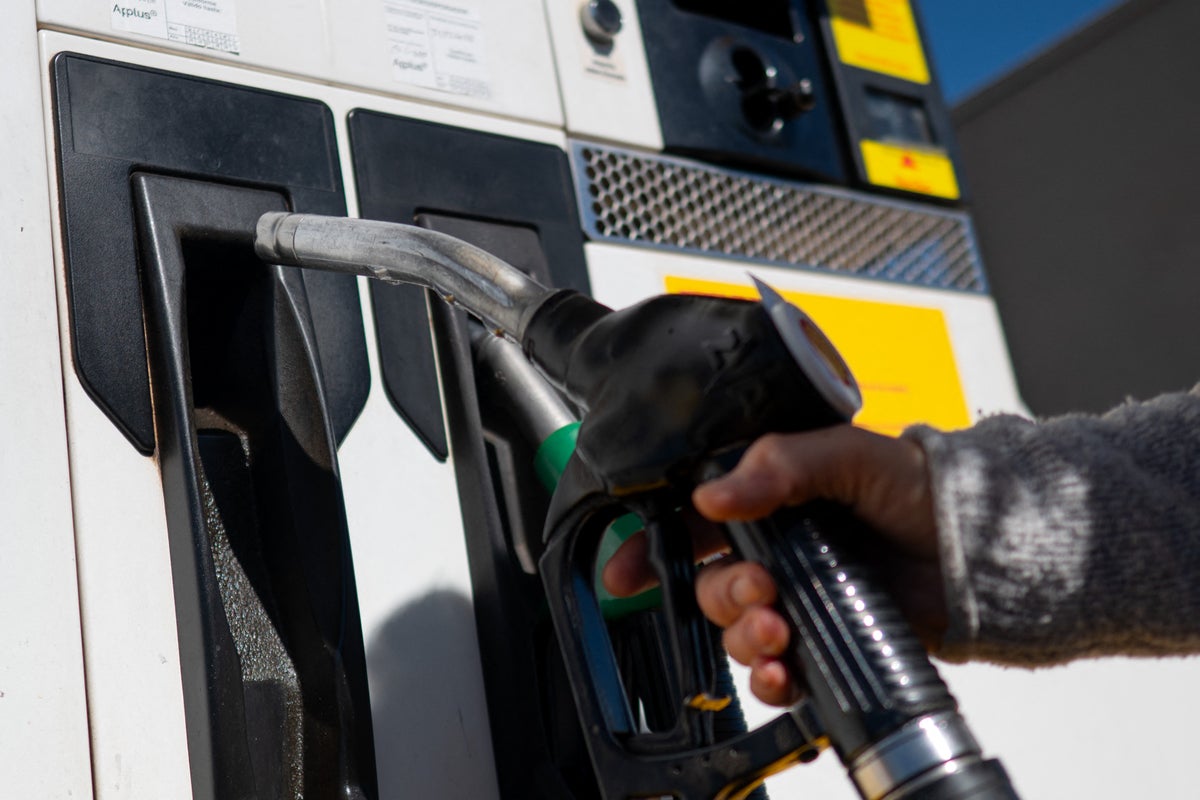
The American gas station has become the front line of a geopolitical gamble that the domestic economy is ill-equipped to win. While the political rhetoric centers on a return to "energy dominance" through unfettered drilling, a quiet but devastating reality is emerging: more American energy production may actually lead to higher prices for American families. The mechanism is simple and brutal. By tying domestic energy more closely to a volatile global market, the United States is importing the world's instability directly into its kitchens and gas tanks.
The core premise of the current administration's strategy is that a massive increase in oil and gas production will act as a shield against inflation. It is a compelling narrative, but it ignores the fundamental architecture of the global energy trade. When the U.S. exports more of its natural gas and crude oil, it ceases to be an island of relative price stability. Instead, American consumers are forced to compete for their own resources against buyers in Tokyo, Berlin, and Beijing.
The Triple Cost of Exporting Independence
The Department of Energy recently released a study that complicates the "drill, baby, drill" mantra. The findings suggest that "unfettered" exports of Liquefied Natural Gas (LNG) could drive domestic wholesale prices up by more than 30 percent. This is not just a theoretical spike. It represents what analysts call a "triple-cost increase" for the average household.
First, the direct price of natural gas rises as domestic supply is diverted to the highest global bidder. Second, because natural gas is a primary input for American power plants, electricity bills follow the same upward trajectory. Third, the cost of manufactured goods—from fertilizer to plastics—climbs as industrial users pass their increased energy overhead down to the consumer.
We are seeing this play out in real-time as the administration moves to lift pauses on new LNG export terminals. For decades, the U.S. benefited from a "shale discount." Because it was difficult to move gas overseas, American manufacturers and homeowners paid significantly less than the rest of the world. By building a massive bridge to the global market through new export infrastructure, that discount is being permanently erased.
The Iran Conflict and the Fragility of Supply
The recent escalation of hostilities with Iran has exposed the myth of energy independence. Despite the United States being the world's largest oil producer, gas prices at the pump surged by more than 60 cents in a single month following the outbreak of conflict in the Middle East.
If the U.S. were truly independent, a bottleneck in the Strait of Hormuz—where 20 percent of the world’s oil trade passes—should be a distant concern. It isn't. Oil is a fungible global commodity. When global supply is threatened, the price for a barrel of West Texas Intermediate (WTI) rises alongside the international Brent Crude benchmark. American oil companies do not sell at a discount to American citizens out of patriotism; they sell to whoever pays the market rate.
The Strategic Petroleum Reserve Dilemma
The administration's response to this price shock has been to pivot toward the Strategic Petroleum Reserve (SPR). After years of criticizing the use of the reserve as a political tool, the current leadership has ordered the release of 172 million barrels. It is a massive intervention, the second-largest in history, yet its effects are likely to be fleeting.
- Market Timing: It takes roughly 13 days for crude released from the SPR to reach the open market.
- Capacity Constraints: The reserve has a maximum release capacity of 4.4 million barrels per day, a drop in the bucket of a 100-million-barrel-per-day global market.
- Infrastructure Issues: Many of the reserve's storage sites cannot simultaneously receive and release oil, making the process of "refilling" while "releasing" an operational impossibility.
The irony is thick. The very policies intended to secure "dominance" have left the nation more exposed to the whims of foreign adversaries and the chaos of maritime chokepoints.
The Manufacturing Backlash
While the oil and gas sector anticipates record profits from this high-export, high-price environment, the American manufacturing belt is bracing for impact. Heavy industries that rely on cheap energy—the same industries the administration promised to revitalize—are finding themselves priced out.
The Department of Energy's analysis warns that industrial sector energy costs could rise by $125 billion by 2050 under the current trajectory. This creates a fundamental policy contradiction. You cannot have "cheap American energy" and "unlimited global exports" at the same time. One must give way to the other.
Critics of the previous administration's "pause" on export permits argued it was a gift to Russia. However, the data suggests that the pause may have been the only thing keeping domestic utility bills from entering a permanent upward spiral. By racing to approve every pending export license, the current administration is effectively signing a contract that guarantees American energy prices will never again be decoupled from global crises.
A War Footing Without a Shield
Former officials have noted that the country is essentially on a "war footing" regarding energy, but without the defensive measures needed to protect its own citizens. Expanding offshore drilling in places like California, as the administration recently ordered, provides a negligible boost to global supply—estimated at just 0.05 percent of total production. It is a symbolic gesture that does nothing to lower the price at the pump but does plenty to increase environmental risk.
The hard truth is that "energy dominance" is a misnomer. It is actually "market integration," and in a world where conflict is the new normal, integration is a liability. The United States is drilling more than ever before, yet its citizens are paying more than they have in years.
Stabilizing prices will require more than just more holes in the ground. It would require a fundamental rethink of whether the nation's primary goal is to be the world's gas station or to provide affordable power to its own people. Until that choice is made, the American consumer remains a hostage to global events, regardless of how much oil is produced in Texas or North Dakota.
Would you like me to analyze the specific impact of these export policies on your regional electricity rates?