The Middle East isn't just seeing another cycle of violence. We're watching a fundamental shift in how red lines are drawn. When Israeli jets hammer targets in Lebanon while the world watches the Iranian oil hub at Kharg Island, it's not just about military tactics. It's a high-stakes gamble on global energy stability and regional survival. If you think this is just another border skirmish, you're missing the bigger picture.
Kharg Island handles roughly 90% of Iran’s crude exports. It's the jugular vein of their economy. Simultaneously, the relentless strikes on Hezbollah positions in Lebanon represent a "decapitation" strategy we haven't seen executed with this much intensity in decades. The message from Jerusalem and Washington is clear: the old rules of containment are dead.
The Kharg Island Pressure Cooker
Iran’s economy lives and dies by the tankers docking at Kharg Island. Located in the Persian Gulf, this facility is the primary terminal for Iranian light and heavy crude. For years, it was considered "off-limits" because hitting it would send global oil prices into a tailspin. But the geopolitical math changed after the direct missile exchanges between Tehran and Tel Aviv.
Security analysts often talk about "asymmetric warfare," but what’s happening now is a direct challenge to Iran’s primary source of revenue. If Kharg Island goes dark, Iran loses its ability to fund its proxies across the "Axis of Resistance." We're talking about billions of dollars in lost revenue. China, the largest buyer of Iranian oil, is watching this more closely than anyone. They rely on that discounted crude to keep their industrial engines humming.
Lebanon and the Collapse of Deterrence
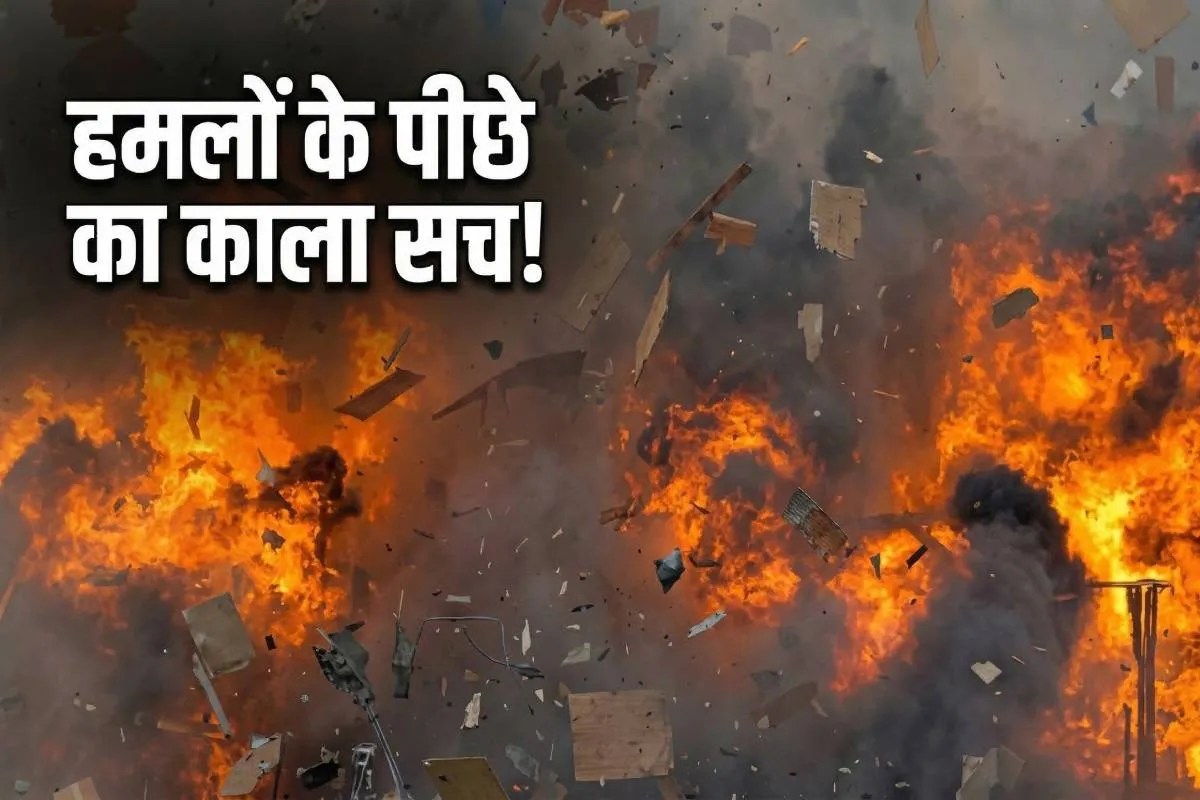
While the threat to Iran’s oil is the economic story, the physical destruction in Lebanon is the human and military one. Israel’s objective in Lebanon has shifted from "pushing back" Hezbollah to "dismantling" its command structure. The recent strikes aren't just hitting rocket launchers. They’re hitting deep bunkers, communication hubs, and the very leadership that has managed the group for thirty years.
Hezbollah was supposed to be the ultimate deterrent. The idea was that their 150,000 rockets would prevent Israel from ever striking Iran directly. That theory is currently being tested to destruction. If Hezbollah can't protect itself, it certainly can't protect Tehran. This creates a massive power vacuum in Lebanese politics and a terrifying uncertainty for civilians caught in the crossfire.
The American Role in the Shadow
Washington claims it wants de-escalation, but its actions tell a more nuanced story. By moving carrier strike groups into the region and providing real-time intelligence, the U.S. is essentially providing a protective umbrella. This allows Israel to take risks it might otherwise avoid.
It's a "good cop, bad cop" routine played out on a global stage. The Biden administration publicly urges restraint regarding Iranian nuclear and energy sites. Behind the scenes, the military cooperation has never been tighter. This coordination is designed to signal to Iran that any massive retaliation will be met with a combined force that the Islamic Republic simply cannot match.
Why Oil Markets Aren't Panicking Yet
You’d expect oil to be at $150 a barrel right now. It’s not. There are a few reasons for this weirdly calm market behavior. First, there's a lot of spare capacity in Saudi Arabia and the UAE. If Iranian oil drops off the map, the world expects the Saudis to turn on the taps.
Second, the global economy is slowing down. Demand in Europe and China isn't what it used to be. Traders are betting that even a major disruption at Kharg Island won't cause a permanent shortage. It’s a risky bet. If the Strait of Hormuz gets blocked—the narrow waterway where 20% of the world’s oil passes—all bets are off.
The Real Risks of Miscalculation
- The Proxy Pivot: If Hezbollah feels it has nothing left to lose, it might launch everything it has at civilian centers in Tel Aviv, forcing a ground invasion that could last years.
- Cyber Warfare: Iran’s strongest card isn't its navy; it's its hackers. Expect retaliatory strikes on Western financial institutions or power grids.
- The Nuclear Question: If Iran feels its conventional deterrent (Hezbollah) and its economy (Kharg) are failing, the internal argument for building a nuclear weapon becomes much more persuasive.
Beyond the Headlines
The situation in Lebanon is desperate. Over a million people are displaced. The Lebanese state, already bankrupt, has no way to manage this crisis. This isn't just about "terrorist targets." It’s about the total breakdown of a country that was already on the edge.
When you look at the strikes on Kharg Island and Lebanon together, you see a pincer movement. One side is economic; the other is military. The goal isn't just to win a war, but to rewrite the map of the Middle East for the next generation. It's a high-wire act with no safety net.
Keep your eyes on the tanker tracking data and the diplomatic cables coming out of Riyadh. The next few weeks will determine if we’re headed for a regional realignment or a full-scale conflagration that drags in every major global power.
If you're looking to protect your interests, start by diversifying away from energy-heavy dependencies. Watch the gold markets and the volatility index (VIX). The "quiet" we’re seeing in the markets is brittle. It won't take much to shatter it. Monitor the shipping lanes in the Red Sea and the Persian Gulf daily. That’s where the real war is being fought.