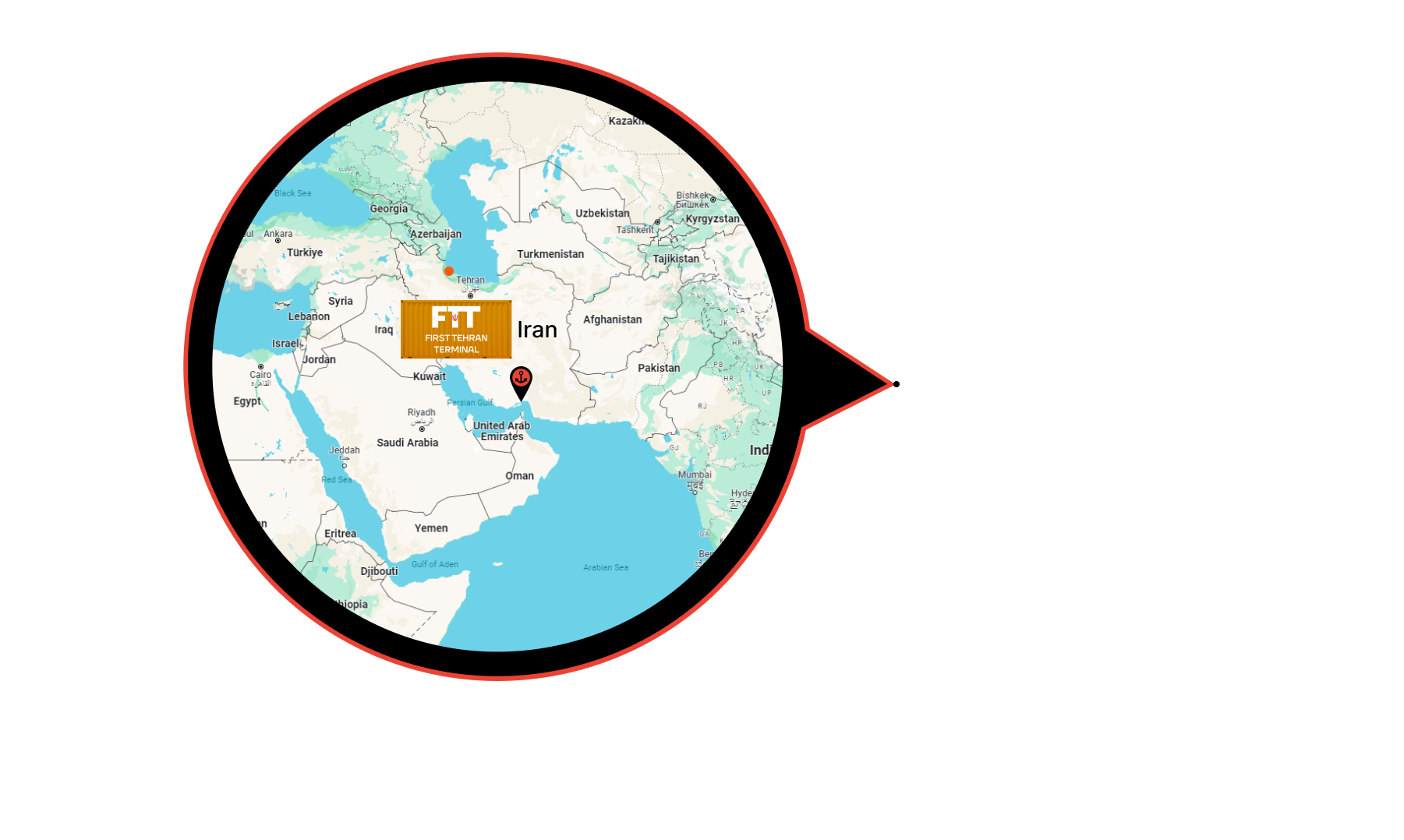
The shift from symbolic posturing to systemic kinetic targeting of Persian Gulf energy infrastructure represents a fundamental change in the IRGC’s strategic calculus. By prioritizing the destruction of petrochemical and energy extraction nodes, the Iranian security apparatus is moving beyond simple retaliation toward a doctrine of forced economic decoupling. This strategy relies on the assumption that the fragility of the global energy supply chain is a more effective lever than conventional military parity.
The Triad of Critical Infrastructure Vulnerability
The current escalation targets three specific vulnerabilities in the regional energy matrix. Understanding these vectors is essential to quantifying the actual risk to global markets versus the psychological impact intended by the IRGC. You might also find this related article useful: Strategic Asymmetry and the Kinetic Deconstruction of Iranian Integrated Air Defense.
- Upstream Extraction Deadlocks: Direct kinetic strikes on wellheads and gathering centers do not merely stop flow; they create long-term engineering challenges. Saltwater intrusion or pressure loss in a sabotaged reservoir can result in permanent capacity degradation.
- Midstream Processing Choke Points: Petrochemical plants and refineries are centralized nodes of high value. Unlike a pipeline, which is easily patched, a fractional distillation tower or a high-pressure cracker unit requires specialized metallurgy and long-lead-time components for repair.
- Export Logistics and Maritime Loading: Attacking the Single Buoy Mooring (SBM) systems or port-side storage tanks creates a physical bottleneck that prevents even unharmed upstream assets from reaching the market.
The Cost Function of Asymmetric Energy Warfare
The IRGC’s "Phase 2" threat is an exercise in escalating the cost-to-repair ratio. In asymmetric warfare, the cost of the effector—often a one-way attack drone (OWA-UAV) or a cruise missile—is several orders of magnitude lower than the cost of the asset it destroys.
The economic impact is measured by the Time to Recovery (TTR). Standard insurance models for Gulf energy assets often fail to account for "stacked" attrition, where multiple strikes on a single site overwhelm fire suppression and emergency engineering teams. When the IRGC targets petrochemical sites, they are targeting the high-margin end of the hydrocarbon value chain. This disrupts the fiscal stability of Gulf states more effectively than hitting crude oil terminals alone, as refined products and chemicals represent significant non-oil GDP diversification. As highlighted in recent articles by USA Today, the effects are worth noting.
Strategic Depth and the Geographic Asymmetry
Iran’s internal geography provides a specific advantage in this exchange. Much of Iran’s critical infrastructure is situated in mountainous or inland regions, whereas the majority of the GCC’s energy infrastructure is located on the coast or in shallow offshore waters.
This geographic reality dictates the tactical choices of the IRGC. Coastal infrastructure is susceptible to:
- Swarm Boat Incursions: Using low-profile, high-speed vessels to plant limpet mines or fire short-range thermobaric rounds.
- Subsurface Sabotage: Utilizing diver-delivered explosives on subsea pipelines connecting offshore platforms to mainland refineries.
- Terminal Ballistic Precision: Modern Iranian missiles utilize electro-optical seekers for terminal guidance, allowing them to target specific valves or control rooms rather than just hitting a general facility area.
The Feedback Loop of Energy Scarcity
The IRGC’s stated intent to make a second phase "more devastating" points to a shift from infrastructure harassment to a policy of total denial. This creates a feedback loop in global markets. As Gulf supply is constrained, the price of Brent crude increases, which theoretically increases the value of Iran’s own (sanctioned) exports. This creates a perverse incentive where regional instability directly finances the entity causing the instability.
However, this logic assumes that the global community will not respond with a total maritime blockade or a kinetic dismantling of Iranian export terminals at Kharg Island. The IRGC is betting that the risk of a $150-per-barrel oil price will paralyze Western and East Asian intervention.
Quantifying the Second Phase Threat
If Phase 1 was a proof of concept—demonstrating that air defense systems like the Patriot or THAAD can be saturated—Phase 2 likely focuses on Systemic Cascading Failure.
In a cascading failure scenario, the target is not a single plant but the electrical grid that powers the desalination plants and the pumping stations for the entire energy corridor. If the IRGC successfully targets the power-to-water-to-oil nexus, the operational capability of the target state ceases at a foundational level.
Logistics of the "Devastating" Shift
The transition to a more destructive phase involves three specific tactical escalations:
- Multi-Vector Saturation: Simultaneous launches from Western Iran, proxy locations in Iraq, and maritime platforms in the Persian Gulf. This forces air defense systems to prioritize targets across a 360-degree theater, increasing the probability of "leakers"—missiles that bypass the kinetic interceptors.
- Electronic Warfare (EW) Pre-integration: Using localized jamming to blind the radar arrays of defensive batteries seconds before the arrival of a cruise missile.
- Targeting of Emergency Repair Stocks: Striking the warehouses where spare parts, turbines, and specialized valves are stored. By destroying the inventory required for repairs, the IRGC transforms a 2-week outage into a 6-month outage.
The Intelligence Gap in Defensive Posture
Current defensive strategies are reactive. They rely on the assumption that a missile intercepted is a victory. However, in the IRGC's logic, an interception is still a success if it consumes a $2 million interceptor to stop a $50,000 drone. The attrition of defensive magazines is a prerequisite for Phase 2. Once the stockpile of interceptors is depleted, the "more devastating" strikes will face zero resistance.
The lack of hardened infrastructure is the primary vulnerability. Most Gulf energy sites were built for efficiency and export volume, not for resilience against sustained kinetic bombardment. Reinforced concrete shielding, redundant control centers, and underground piping are rare.
Structural Constraints on IRGC Ambitions
While the IRGC holds the initiative in terms of timing and target selection, their strategy faces two significant structural constraints:
- The China Paradox: A total collapse of Gulf energy exports would disproportionately harm the Chinese economy, which is the primary buyer of Iranian oil. If the IRGC crosses a certain threshold of market disruption, they risk losing their most significant diplomatic and economic lifeline.
- Internal Vulnerability: Iran’s own energy grid is notoriously fragile. A retaliatory strike on the Iranian "Gas Trunkline" (IGAT) or the refineries at Bandar Abbas would cause immediate domestic unrest. The IRGC is operating on the edge of a "suicide strategy" where the destruction they inflict may be mirrored by their own systemic collapse.
Operational Imperatives for Energy Security
Securing these assets requires a move away from localized air defense toward Active Resilience. This involves:
- Rapid Modular Repair Units: Pre-positioning mobile refining and pumping modules that can bypass damaged permanent structures.
- Decentralized Power Scouring: Reducing the reliance of oil fields on a single centralized power grid.
- Autonomous Maritime Patrols: Using AI-driven underwater and surface drones to create a continuous "sensor fence" around offshore assets, reducing the reliance on reactive radar.
The IRGC has signaled that the era of "shadow war" is over, replaced by a doctrine of overt industrial attrition. The strategy is no longer to win a military engagement, but to make the cost of the status quo unbearable for the global economy.
States must immediately shift capital from expansion to hardening. The focus should be on creating redundant "cold sites" for critical control systems and diversifying export routes that bypass the Strait of Hormuz. Failure to decouple energy production from the immediate kinetic reach of the IRGC renders the global economy a hostage to the next phase of their deployment cycle. Strategic depth must be manufactured through engineering and logistics since it cannot be provided by geography.