The strategic depth of Gulf Cooperation Council (GCC) states in Africa is undergoing a fundamental structural reassessment. For the past decade, the United Arab Emirates (UAE), Saudi Arabia, and Qatar operated under a surplus-capital expansion model, viewing the African continent as a venue for food security, logistical hegemony, and "soft power" competition. However, the escalation of kinetic conflict in the Levant and the Red Sea has introduced a prohibitive risk premium. This is not a mere diplomatic cooling; it is a forced reallocation of finite military, financial, and diplomatic bandwidth.
The Triad of Gulf Constraint
The shift from African engagement to Levant-centric containment is driven by three specific pressures that override previous expansionist goals.
1. The Proximity Risk Multiplier
Foreign policy is dictated by the distance to the nearest active threat. While a port in Berbera or a farm in Sudan offers long-term ROI, an escalating war in the Middle East presents an existential threat to domestic infrastructure and the "Safe Haven" brand that powers the Gulf economies.
The GCC states operate as high-end service and logistics hubs. Their value proposition depends on regional stability. When conflict threatens the Strait of Hormuz or the Bab el-Mandeb, the cost of securing the home front rises exponentially. This creates a "crowding out" effect where the diplomatic energy required to mediate in Ethiopia or Sudan is consumed by the immediate need to de-escalate Iranian-proxy tensions or manage the fallout of the Gaza-Israel war.
2. The Capital Preservation Mandate
High oil prices previously provided a "vent for surplus" that funded ambitious African infrastructure projects. As regional war increases insurance premiums for shipping and necessitates massive investments in domestic missile defense (such as the THAAD or Patriot systems), the liquidity available for high-risk frontier market investments in Africa diminishes.
Saudi Arabia’s Vision 2030 and the UAE’s "Projects of the 50" require trillions in domestic deployment. In a high-conflict environment, the appetite for a $10 billion port project in a politically volatile African state is replaced by the necessity of funding domestic economic diversification to insulate against regional shocks.
3. The Security Export Deficit
The Gulf states previously acted as security patrons for various African regimes, providing drones, intelligence, and financial backstops. A wider Middle Eastern war forces these states to recall their security assets. If the UAE or Saudi Arabia must prepare for a direct or proxy confrontation in their immediate backyard, they cannot afford to overextend their military hardware or intelligence personnel in the Sahel or the Horn of Africa.
The Sudan-Red Sea Feedback Loop
The conflict in Sudan serves as the primary case study for this pivot. Previously, the UAE and Saudi Arabia were the dominant external brokers in Khartoum. The current regional instability has fractured this influence through a specific mechanism: Geopolitical Bipolarity.
As the Middle East polarizes further due to the war, African nations are forced to choose sides or find alternative patrons. This creates a vacuum. If Gulf states reduce their "checkbook diplomacy" because they are distracted by the Levant, we see an immediate entry of secondary powers. Russia’s Wagner Group (or its successors) and Turkish defense interests are already filling the gaps left by GCC retrenchment.
The logical consequence is a breakdown in the "Red Sea Security Architecture." The concept of the Red Sea as a unified economic corridor—a bridge between the GCC and Africa—fails if the northern end (Suez/Gaza) and the southern end (Bab el-Mandeb/Sudan) are simultaneously on fire. The Gulf states are realizing that they cannot secure the southern end of the corridor while the northern end is destabilized.
Structural Redirect: From Infrastructure to Extraction
We are witnessing a transition from "Developmental Investment" to "Critical Extraction." The "pivot" is not a total exit, but a narrowing of focus.
- The Abandonment of General Infrastructure: High-cost, slow-return projects like highways, housing, and general telecommunications in Africa are being deprioritized.
- The Focus on Mineral Autarky: Investments in copper, lithium, and gold (specifically in the DRC, Zambia, and Tanzania) will remain because they are essential for the Gulf’s own industrial transitions.
- Logistics Bottlenecking: Port operators like DP World are shifting from "expansion at all costs" to "defensive consolidation." They will protect existing hubs in Djibouti or Berbera but are unlikely to sign new, risky concessions in unproven coastal regions.
The Cost Function of Mediation
Diplomacy is a finite resource. The "Mediation Market" in Africa was once dominated by Qatar and the UAE. Analyzing the current time allocation of foreign ministries in Doha and Abu Dhabi reveals a stark reality: the man-hours dedicated to the Israel-Hamas-Hezbollah-Iran nexus have increased by an estimated 400% since late 2023.
When a Gulf foreign minister has only sixteen productive hours in a day, those hours are spent on the phone with Washington, Tehran, and Tel Aviv, not mediating a border dispute between Ethiopia and Somalia. This "diplomatic attrition" results in the degradation of peace processes in Africa that were previously underpinned by Gulf money and prestige.
The Logistics of Displacement
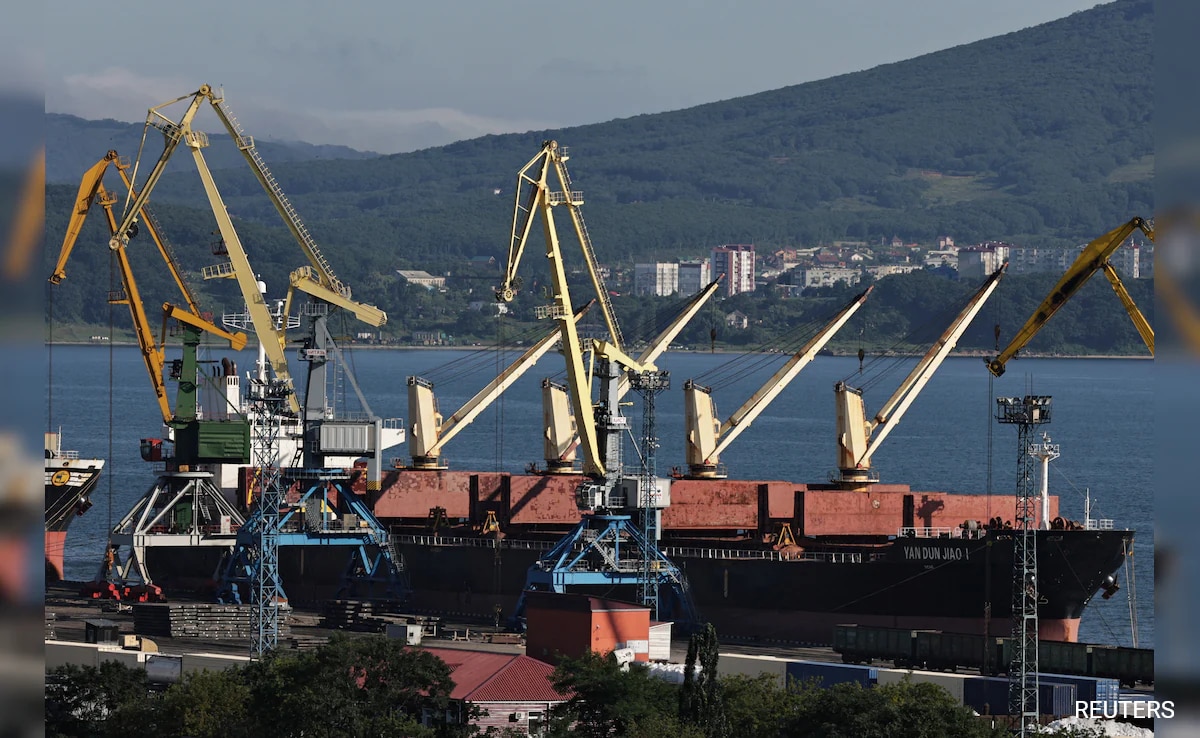
The Red Sea is the primary artery for Gulf-Africa trade. The Houthi disruptions in the Bab el-Mandeb have increased the cost of shipping from Jebel Ali to Mombasa by a significant margin.
- Risk Re-rating: Lloyd’s of London and other insurers have re-rated the entire Red Sea basin. This creates a "geographical tax" on any business conducted between the Gulf and East Africa.
- Supply Chain Decoupling: To mitigate risk, African nations are looking toward Atlantic-facing trade or North-South continental trade (AfCFTA) rather than relying on the "East-West" link to the Gulf.
- Port Devaluation: If the Red Sea remains a "high-kinetic" zone, the strategic value of Gulf-owned ports on the African coast drops. These assets become liabilities that require military protection the Gulf states are currently hesitant to provide.
The Strategic Recalibration of Saudi Arabia
Saudi Arabia’s "Africa Strategy" was largely a tool for competition with Iran and a search for food security. The war has shifted the Saudi calculus from "Competition" to "Insulation."
The Kingdom is currently prioritizing the "Middle East Green Initiative" and domestic agricultural technology over large-scale land acquisitions in Sudan or Ethiopia. The logic is simple: why depend on a food supply chain that passes through the Bab el-Mandeb if you can invest in desalinated vertical farming in Neom? The war has accelerated the realization that external dependencies—even those in Africa—are vulnerabilities during a regional conflagration.
Identifying the Break-Even Point
The "Pivot" becomes a permanent "Exit" if the regional conflict exceeds a eighteen-month duration. Beyond this point, the organizational muscle memory of Gulf investment funds will have re-oriented toward domestic and "safe haven" Western markets (US Treasuries, European Tech).
We can quantify this through the Direct Investment Displacement Ratio (DIDR). For every $1 billion spent on regional defense and humanitarian aid related to the Middle East war, there is a measurable $1.2 billion withdrawal from projected frontier market commitments. This is due to the "Risk-Adjusted Return" on African projects no longer meeting the hurdle rate when compared to the urgent necessity of domestic stabilization.
Strategic Forecast
The GCC will not leave Africa entirely, but the nature of the presence will become transactional rather than transformational.
Expect a "Security-for-Resources" model. The Gulf will provide niche security technology (UAVs and surveillance) to specific African partners in exchange for guaranteed access to critical minerals. The era of the "Gulf as the Big Brother of the Horn" is ending. It is being replaced by a "Fortress Gulf" mentality, where Africa is viewed as a resource pantry to be accessed when convenient, rather than a strategic depth to be cultivated.
African sovereigns must now prepare for a liquidity crunch. The "Gulf Premium"—the extra capital that was once available for projects that didn't make sense to Western banks—is evaporating. The next twenty-four months will see a rise in Chinese and Turkish influence as they capitalize on this retreat. For the Gulf, the math is clear: you cannot build a bridge to another continent when your own house is on fire.
The most effective move for African states is to aggressively diversify their debt profiles away from Gulf bilateral lending and toward multilateral institutions, as the "Distracted Patron" syndrome will lead to sudden capital freezes. Conversely, Gulf sovereign wealth funds should move to "Ghost Stake" positions—passive equity in African projects managed by third parties—allowing them to maintain exposure without the diplomatic or operational overhead that they can no longer afford.