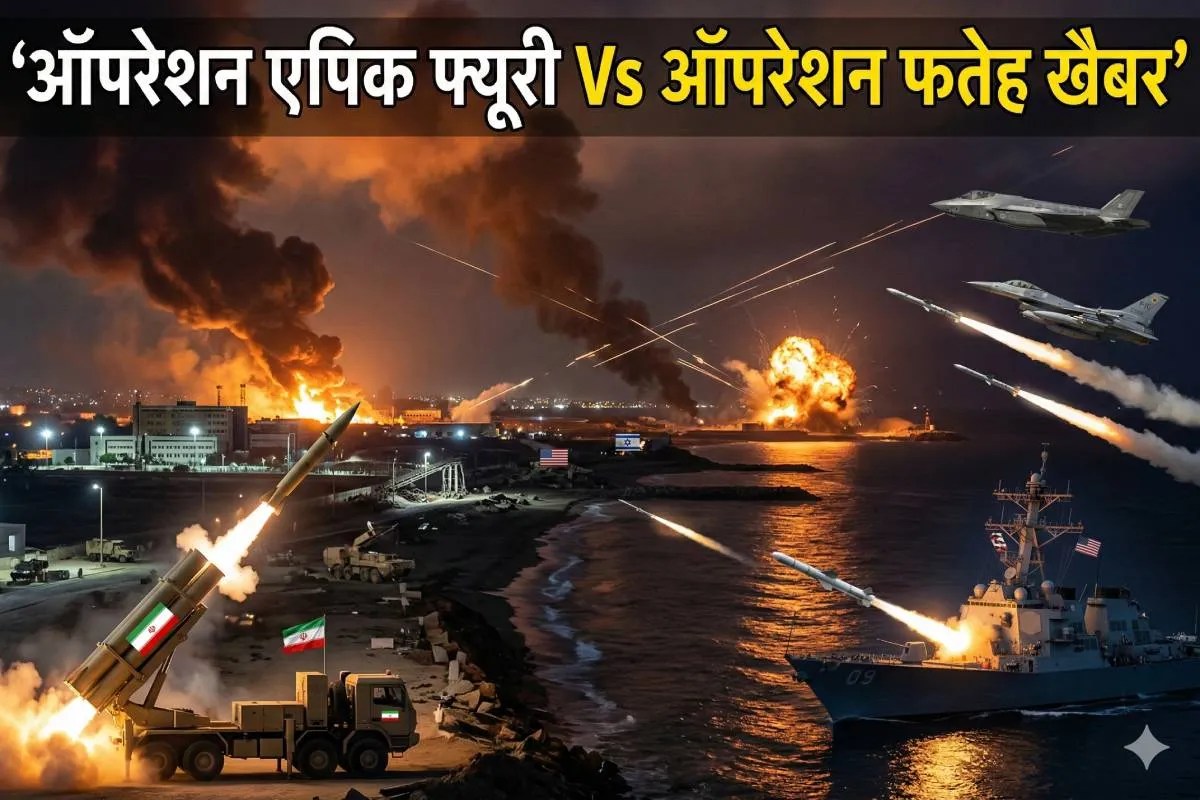
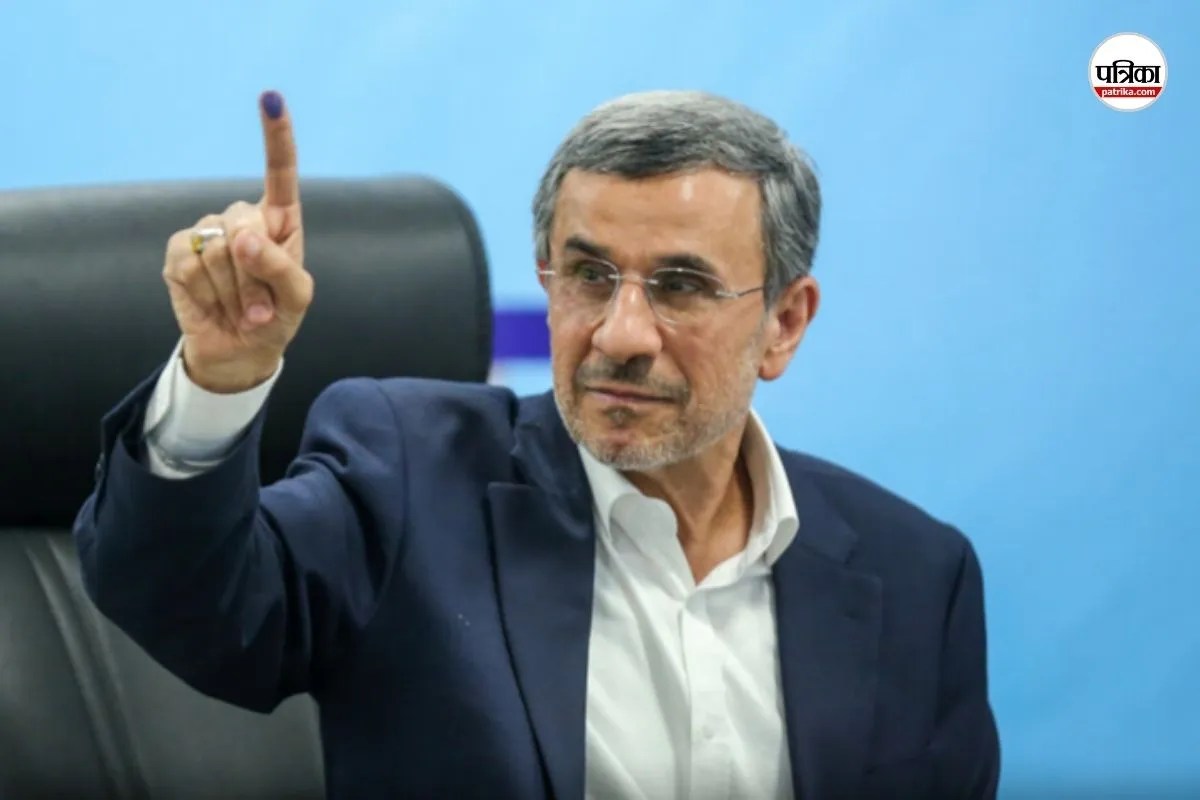
Diplomacy is often just the polite face of a holding pattern. The mainstream media is currently obsessed with the "will they, won't they" tension regarding renewed talks between Washington and Tehran. They frame every vague statement from a White House official or a cryptic nod from an Iranian diplomat as a breakthrough. It isn't. It is a scripted performance designed to manage expectations while the actual levers of power—sanctions, regional proxies, and enrichment cycles—continue to grind away in the background.
The "lazy consensus" suggests that both sides are exhausted and looking for an exit ramp. This view ignores the fundamental utility of the conflict for both administrations. For Trump, the "eventual" willingness to talk is a branding exercise in Maximum Pressure. For Iran, suggesting an "openness" to dialogue is a tactical move to fracture international consensus and bait a better deal without making a single structural concession.
The Myth of the Rational Negotiator
The primary error analysts make is assuming both parties are playing the same game. They aren't.
Washington treats diplomacy like a business merger. You look at the assets, you calculate the liabilities, and you find a price point where both sides walk away slightly unhappy but functional. Tehran treats diplomacy like a siege. To them, the negotiation table is just another front in a multi-decade war of attrition.
When an Iranian official suggests they are "open to talks," they aren't looking for a "Grand Bargain." They are looking for a temporary reprieve from the primary $U_1$ and $U_2$ currency constraints that are strangling their internal markets.
Why Sanctions Won't Be Traded for Words
The current administration's strategy relies on the belief that economic pain $P$ is directly proportional to political concessions $C$. The formula usually looks something like this:
$$P \propto \frac{1}{C}$$
In reality, the Iranian political structure is insulated from the pain felt by the general population. The Revolutionary Guard (IRGC) thrives in a shadow economy. When you shut down legitimate trade, you create a monopoly for the black market. By squeezing the formal economy, the US unintentionally strengthens the very hardline elements it seeks to undermine.
I’ve seen this play out in private equity and distressed debt markets: when you corner a desperate debtor, they don't always fold. Sometimes, they burn the house down to collect the insurance. In geopolitics, that "insurance" is regional instability.
Dismantling the Nuclear Distraction
The nuclear program is a shiny object. It's the "leverage" Iran uses to distract from its true power: regional hegemony via asymmetric warfare.
The media focuses on centrifuge counts and enrichment percentages because those are metrics that fit into a neat infographic. What they miss is the "Infrastructure of Influence." Even if Iran stopped every centrifuge tomorrow, their influence in Iraq, Lebanon, Syria, and Yemen would remain untouched.
- The Proxies are the Policy: Iran’s foreign policy is executed by groups that don't sit at the negotiation table. You cannot negotiate away a militia's loyalty in a Swiss hotel room.
- The Sunken Cost of Resistance: The Iranian leadership has built its entire identity on the "Axis of Resistance." To pivot toward a genuine pro-Western stance isn't just a policy shift; it's an existential threat to the regime's internal legitimacy.
Stop Asking if They Will Talk
The question "Will they talk?" is the wrong question. The right question is: "What does the silence cost?"
For Trump, the cost of silence is zero. His base views a lack of "weak" deals as a victory. For Iran, the cost of silence is high in terms of GDP, but low in terms of regime survival.
People also ask: "Can a new JCPOA be reached?"
The answer is a brutal "No." The original deal was a product of a specific moment in 2015 that no longer exists. The trust is gone, the breakout time has shrunk, and the regional players—Israel and Saudi Arabia—now have a much larger seat at the table. Any "new" deal would require Iran to dismantle its missile program and stop funding its proxies. They will never do that. To expect otherwise is a failure of basic political intelligence.
The Business of Conflict
From an insider’s perspective, the "threat" of Iran is a massive revenue driver for the US defense industry. Every time tensions spike, the demand for missile defense systems and high-end surveillance in the Gulf skyrockets.
- Boeing, Lockheed Martin, and Raytheon benefit from a Middle East that is perpetually "on the brink."
- Oil Volatility: The mere rumor of a talk-blockage adds a "risk premium" to Brent Crude, which keeps energy markets lucrative for producers.
If peace were actually achieved, billions of dollars in projected defense spending would evaporate. We have to be honest about the incentives. The status quo of "managed tension" is far more profitable than the uncertainty of a settled peace.
The Strategic Illusion of 'Eventually'
Trump saying he is "eventually" willing to talk is the ultimate "Maybe" in a world of "No." It keeps his options open without committing to a single path. It's a classic negotiation tactic: maintain the appearance of flexibility while holding a hard line.
If you are waiting for a historic handshake, you are watching the wrong channel. The real action is happening in the currency exchanges of Dubai, the shipping lanes of the Strait of Hormuz, and the cyber-warfare divisions in Arlington and Tehran.
The talk of talks is a sedative for the public. It makes us feel like "adults are in the room" and "diplomacy is working."
It isn't.
We are moving toward a period of permanent, low-grade friction where neither side wins, and neither side can afford to walk away. The "open door" is actually a revolving door, and we’re all just watching it spin.
Stop looking for a breakthrough. Start preparing for a marathon of stalemate. The deal isn't coming because the players aren't interested in a deal; they're interested in the game.
The theater is the reality. The stage is the struggle. And the audience is being sold a ticket to a show that will never have a finale.
Don't buy the hype of a "suggested" talk. In this arena, a suggestion is just a way to buy another day of survival.
The "eventual" talk is the ghost in the machine—it’s designed to be chased, but never caught.