The small, family-run foundry in a quiet corner of the Ruhr Valley doesn't look like a battlefield. There are no trenches, no sirens, and no smoke—at least, not the kind that signals a disaster. But for the men and women working the floor, the air carries a weight that has nothing to do with the heavy machinery. They are waiting for a ghost. Specifically, they are waiting to see if a promise made years ago, across an ocean, still has the power to keep their lights on.
International trade is often discussed in the hushed, sterile tones of a Brussels boardroom or a Washington D.C. briefing room. Analysts talk about "bilateral agreements" and "steel quotas" as if they are abstract math problems. They aren't. They are the difference between a mid-sized factory hiring ten new apprentices or shuttering its doors by Christmas.
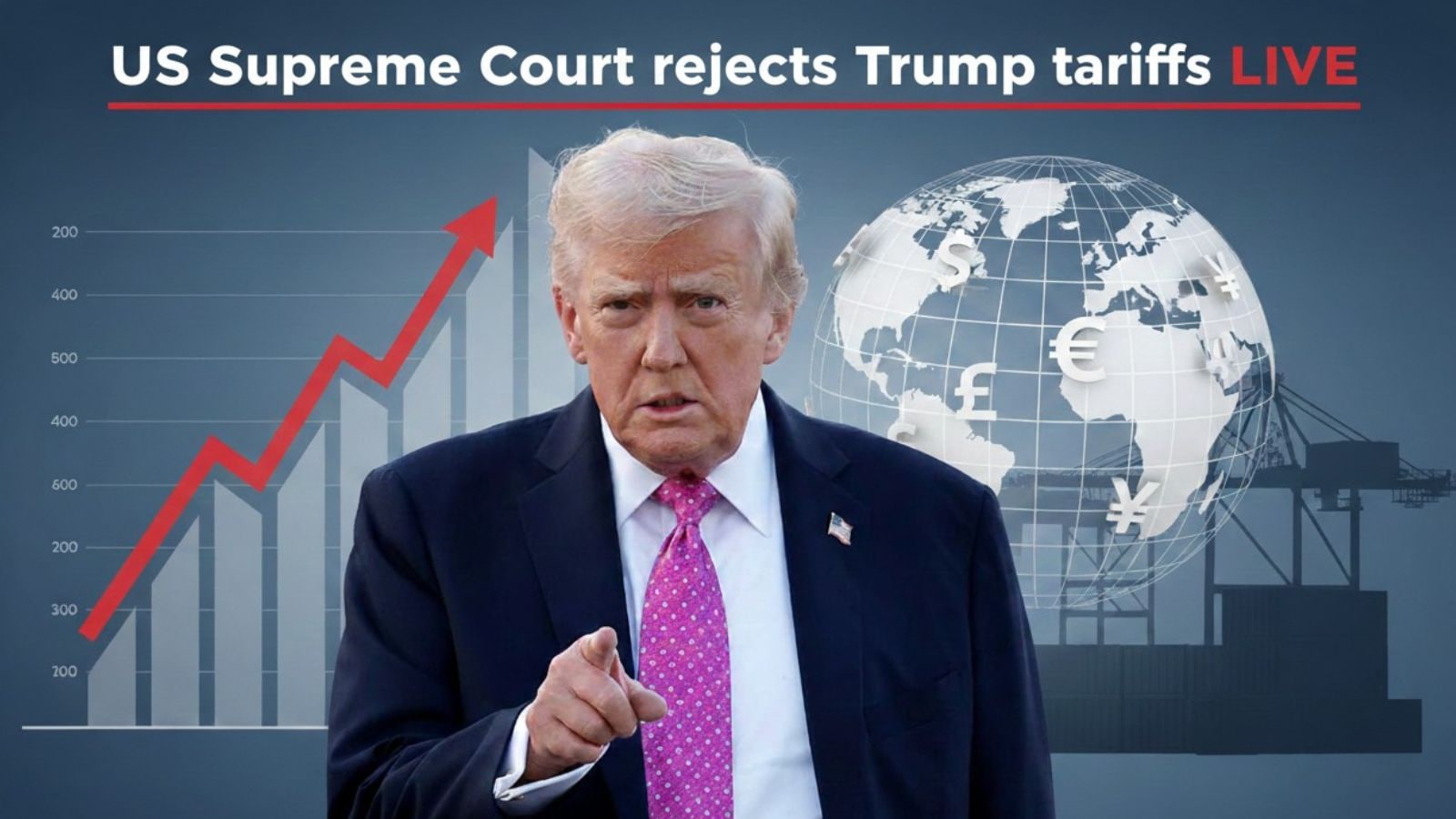
Recently, the gears of global commerce ground to a screeching halt when a U.S. court did something unexpected. It blocked a series of tariffs that had been the hallmark of the Trump administration's "America First" posture. On the surface, this looked like a win for the free market. But in the intricate, fragile world of diplomacy, every action triggers a reaction. The European Union didn't cheer. Instead, they stood up, cleared their throat, and issued a firm reminder: a deal is a deal.
The Weight of a Promise
To understand why the EU is currently breathing down the neck of the White House, we have to look at the anatomy of a ceasefire.
Imagine two neighbors who have been shouting at each other across a fence for years. One day, they finally sit down. They agree to stop throwing stones. Neighbor A agrees to stop building his fence higher, and Neighbor B agrees to stop parking his truck on the shared lawn. It’s a delicate peace.
Now, imagine a judge tells Neighbor A that his fence was illegal all along and he has to tear it down. You might think Neighbor B would be happy. But instead, Neighbor B is worried. Why? Because the original peace treaty was built on the existence of that fence. If the fence goes away because of a court order rather than a mutual agreement, the whole deal might just evaporate.
This is the situation facing the U.S. and the EU. The Trump-era tariffs on steel and aluminum weren't just taxes; they were leverage. When the Biden administration took over, they didn't just scrap them. They negotiated. They created a system of "tariff-rate quotas"—a fancy way of saying "we'll let a certain amount of your metal in for free, provided we stay friends."
The EU agreed to this. They dropped their retaliatory taxes on American bourbon, Harley-Davidson motorcycles, and orange juice. They traded their weapons for a handshake.
Then the court stepped in.
The Invisible Stakes of the Courtroom
The U.S. Court of International Trade recently ruled that some of those original Trump-era tariffs were technically invalid. The legal reasoning is dense, involving the "Section 232" powers that allow a president to impose tariffs for national security reasons. The court essentially said the previous administration colored outside the lines.
But for the European Commission, the legal technicalities are secondary to a much more visceral concern: Honor.
If the U.S. uses a court ruling as an excuse to walk away from the broader trade truce, the fallout won't be limited to spreadsheets. It will hit the person in Kentucky who distills whiskey for export. It will hit the worker in Wisconsin assembling a motorcycle frame. It will hit the Italian architect who needs American-grade aluminum but can't afford the fluctuating costs of a trade war.
Trust is the most expensive commodity in the world. It takes decades to build and about six seconds to incinerate. The EU is effectively saying to the U.S., "We don't care what your courts say about your internal politics. We signed a deal with the United States of America, not with a specific building in Washington."
The Human Toll of Uncertainty
Consider a hypothetical—yet very real—scenario.
Meet Elena. She runs a logistics firm in Rotterdam. Her entire business model relies on the predictable flow of goods between the Port of Antwerp and the Port of Savannah. For three years, she has operated in a state of high-alert anxiety. When the trade truce was signed, she finally felt she could breathe. she invested in two new electric haulers. She signed a five-year lease on a new warehouse.
Now, the headlines are screaming about court blocks and renewed tensions. Elena is staring at her balance sheet, wondering if those haulers were a mistake. This is the "chilling effect." It isn’t a sudden frost; it’s a slow, numbing realization that the ground beneath your feet is made of sand.
When trade deals falter, it isn't the CEOs of multi-billion dollar conglomerates who suffer first. They have hedges. They have lawyers. They have offshore accounts. The people who suffer are the Elenas of the world. The small-to-medium enterprises that form the backbone of the global economy. They can’t afford to wait for a three-year legal appeal to find out if their product will be 25% more expensive tomorrow morning.
The Fragility of the Status Quo
The European Union’s demand is simple: Honor the spirit of the agreement. They are pushing for the U.S. to find a way to maintain the trade truce despite the court's interference. They are asking for a show of stability in an increasingly unstable world.
We live in an era where the old rules of engagement are being rewritten in real-time. The "rules-based international order" that pundits love to talk about is actually just a series of handshakes. If those handshakes no longer mean anything, we return to a world of every nation for itself.
That world is loud. That world is expensive. And that world is dangerous.
The U.S. Department of Commerce now finds itself in a corner. If they comply with the court too rigidly, they risk blowing up the relationship with their biggest ally. If they ignore the court, they face a domestic legal crisis. It is a tightrope walk over a pit of fire, and the audience is the entire global market, holding its collective breath.
Beyond the Ledger
It is easy to get lost in the jargon of "customs duties" and "remedial measures." But at its heart, this story is about whether or not we can still trust each other.
The EU isn't just fighting for steel; they are fighting for the validity of diplomacy itself. They are arguing that a nation’s word must be its bond, regardless of which branch of government happens to be holding the pen that day.
If the U.S. allows this court ruling to derail the progress made over the last few years, it sends a signal to every other trading partner on the planet. It says that American promises have an expiration date, or worse, a "subject to change" clause that can be triggered by a single judge in a lower court.
The foundry in the Ruhr Valley is still running. The furnace is hot, the metal is glowing, and the workers are doing their jobs. They are doing their part of the deal. They are showing up. They are producing. They are honoring the contract they signed with their employer.
They are simply asking that the leaders of the free world do the same.
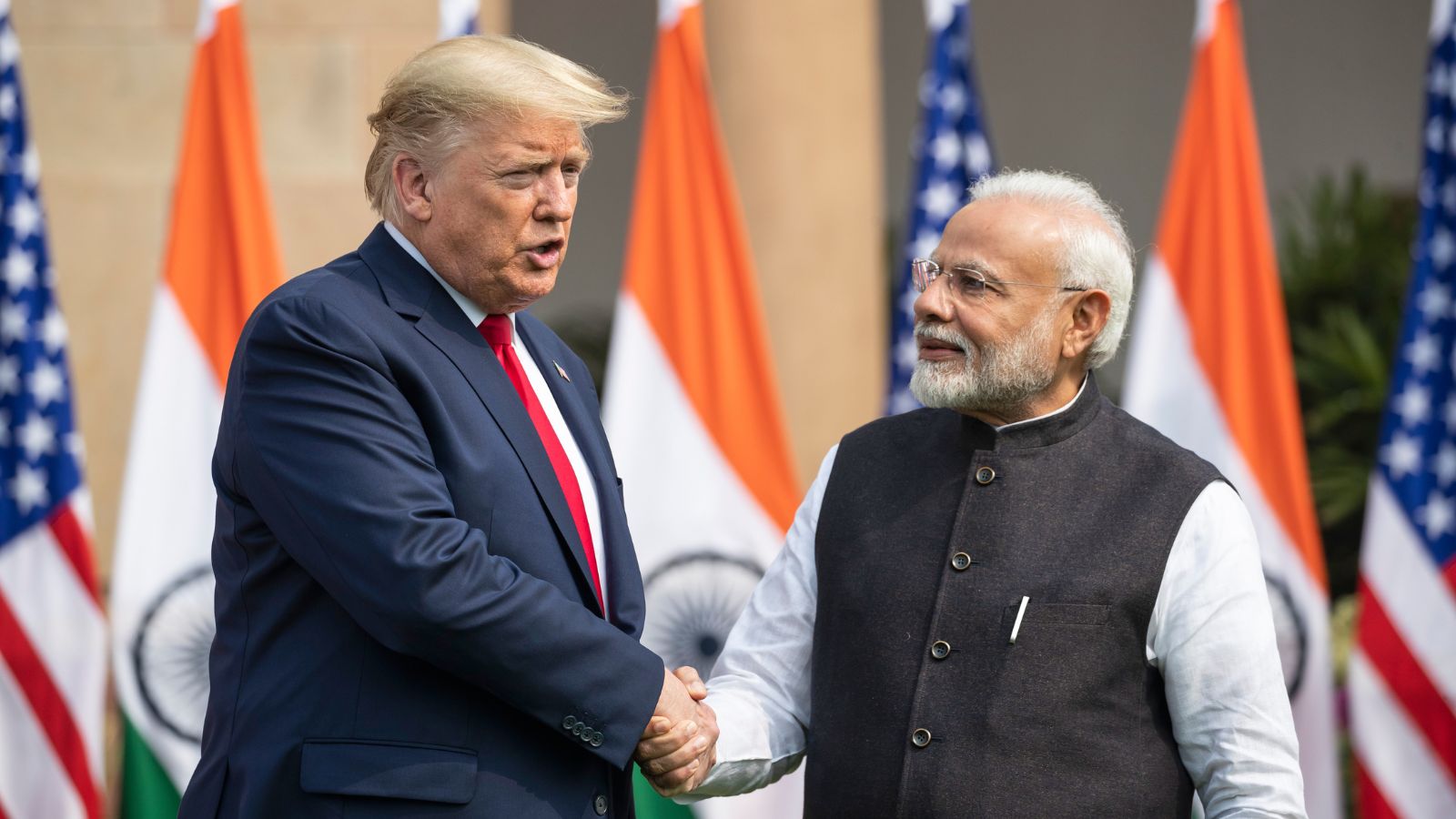
In the end, the most important thing being traded across the Atlantic isn't steel or bourbon. It’s the belief that when a hand is extended in a gesture of peace, it won't be pulled back the moment things get complicated.
The ghost of that handshake is still hovering over the water, waiting to see if it will be given a body, or if it will simply fade away into the cold fog of another trade war.