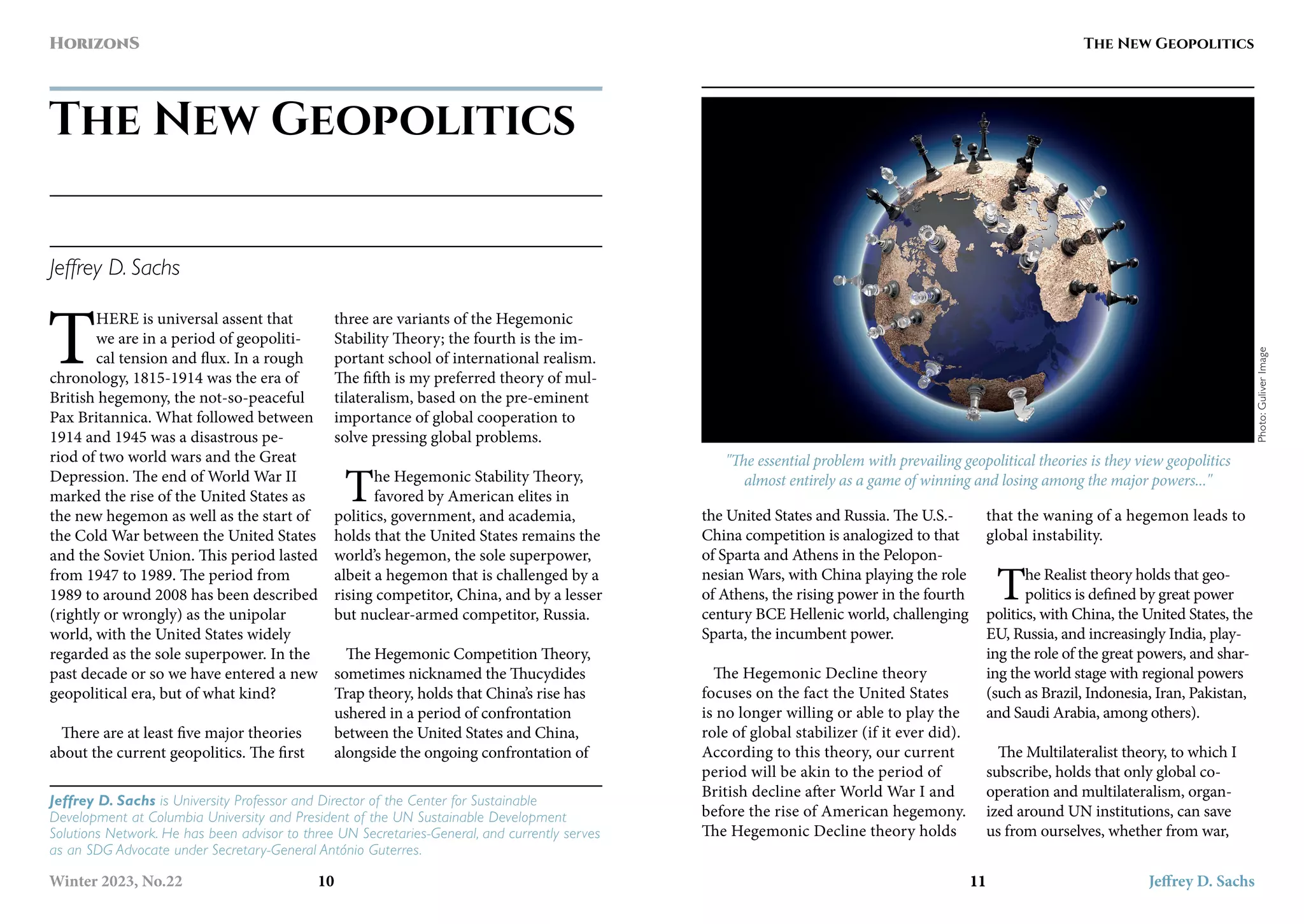
The world is drifting apart. It isn't just a feeling you get scrolling through your feed. It's a measurable, dangerous reality confirmed by the latest United Nations reports. We used to hear this hopeful story about "convergence," the idea that poorer countries would eventually catch up to the wealthy ones thanks to technology and global trade. That story is dead.
The gap between rich and poor nations is growing even wider. We're seeing a Great Divergence that threatens to undo decades of progress in human development. If you think this doesn't affect you because you live in a stable economy, you're wrong. Global instability doesn't stay behind borders. It travels through supply chain collapses, migration surges, and lost market opportunities. Discover more on a connected issue: this related article.
The numbers that should keep world leaders awake
The UN Development Programme (UNDP) recently highlighted a terrifying trend. For the first time in thirty years, the Human Development Index—a measure of a nation’s health, education, and standard of living—has hit a wall. While the wealthiest countries have largely rebounded from the shocks of the early 2020s, nearly half of the world's least developed countries are still stuck below their 2019 levels.
It's a "K-shaped" recovery on a global scale. More reporting by BBC News explores related perspectives on this issue.
The wealthy 10% of the world now controls roughly 76% of all global wealth. Meanwhile, the bottom 50% owns a measly 2%. This isn't just about money in bank accounts. It’s about the ability to survive a drought, fund a school, or buy vaccines. When the gap widens, the floor drops out for billions of people.
Why the old rules of development failed
For years, the "Washington Consensus" told developing nations to open their markets, privatize everything, and wait for the magic of the internet to bridge the gap. It didn't work. We're seeing three massive pressures that are acts of sabotage against poor nations.
The debt trap is real and suffocating
Many developing nations are spending more on interest payments to foreign banks than they spend on healthcare or education. It's a debt spiral. When the US Federal Reserve raises interest rates to fight inflation at home, it crushes countries like Zambia or Sri Lanka. Their debt, often held in dollars, suddenly becomes much harder to pay back.
Imagine trying to run a race while someone keeps adding weights to your backpack. That’s what high-interest debt does to a developing economy. They can't invest in the future because they're too busy paying for the past.
The climate change tax
It's a bitter irony. The countries that contributed the least to carbon emissions are the ones paying the highest price. A single hurricane in the Caribbean or a flood in Pakistan can wipe out 10% of a country's GDP in a weekend. Wealthy nations can build sea walls and insurance schemes. Poorer nations just lose their farms and their homes. This creates a cycle where every time a nation starts to climb, a climate disaster knocks them three steps back.
The digital and AI divide
We talk about AI like it's going to save the world. But right now, the hardware, the data, and the profits are concentrated in a few square miles of Northern California and a handful of hubs in China. Without the electricity grid or the high-speed fiber to support these technologies, poor nations are being left out of the biggest productivity boom in history. They aren't just behind; they're being erased from the future economy.
Democracy is paying the price for inequality
Economic pain rarely stays economic. It turns political.
When people feel the system is rigged against their country, they stop believing in international cooperation. We're seeing a rise in populism and protectionism globally. If the UN can't figure out how to make the global economy work for the bottom 50%, those people will look for leaders who promise to tear the whole thing down.
The report makes it clear that social "misery" is at an all-time high in many regions. People are frustrated. They see the luxury of the West on their smartphones while they struggle to buy bread. That's a recipe for conflict. International trade is supposed to be a win-win, but when it feels like a win-lose, the losers eventually stop playing the game.
What actually needs to change
We need to stop pretending that tiny bits of foreign aid will fix this. It’s like putting a Band-Aid on a broken leg. The system needs a structural overhaul.
First, we need a global mechanism for sovereign debt restructuring. Countries shouldn't be forced into bankruptcy and starvation to satisfy private bondholders. There has to be a way to hit "pause" on debt when a crisis hits.
Second, the "green transition" has to be funded by the people who caused the problem. Wealthy nations promised $100 billion a year in climate finance years ago. They’ve been slow to deliver. That money isn't charity; it’s an investment in global stability.
Third, we have to rethink how we share technology. If the next generation of life-saving medicines or agricultural AI is locked behind patents that poor nations can't afford, the gap will never close.
Stop watching and start demanding accountability
If you're reading this, you probably have more influence than you think. The gap between rich and poor nations isn't an act of God. It's a result of specific policy choices made in boardrooms and government offices.
Start by looking at the companies you invest in. Do they exploit labor in the Global South without contributing to local infrastructure? Support politicians who prioritize fair trade over "free" trade that only benefits the top tier. Demand transparency in how international organizations like the IMF and World Bank handle debt relief.
The widening gap is a choice. We can choose to bridge it, or we can wait for the inevitable collapse that happens when a house is built on an uneven foundation. Pay attention to the next G7 or G20 summit. Look past the photo ops and see if they actually address debt and climate finance. If they don't, they're just managing the decline. The time for "monitoring" the situation is over. It's time to change the math.