The Middle East isn't waiting for a ceasefire. While the world watches the smoke rising over Tehran, a much quieter, more desperate conversation is happening in the palaces of Riyadh, Abu Dhabi, and Manama. These states didn't ask for this war. They spent years trying to talk Donald Trump and Benjamin Netanyahu out of a direct confrontation with the Islamic Republic. But now that the missiles are flying and the Strait of Hormuz is essentially a graveyard for tankers, their tune has changed. They don't want the fighting to stop—not yet.
If Washington pulls back now, the Gulf states believe they're dead. It's that simple. Reports from Israeli media and regional insiders confirm a massive shift in the private diplomacy of the Gulf Cooperation Council (GCC). The fear isn't the war itself anymore; it's a "job half-done" scenario where Iran survives with enough ballistic teeth to bite back once the Americans go home.
The cost of staying neutral
For decades, the wealthy monarchies of the Gulf operated on a "don't touch me, I won't touch you" basis with Iran, or at least they tried to. They hosted US bases as a shield, hoping the mere presence of the Stars and Stripes would keep the peace. That illusion shattered in early March 2026.
When "Operation Epic Fury" launched, Iran didn't just target the US and Israel. It lashed out at its neighbors. We’ve seen drone strikes on Dubai International Airport and missile fragments falling on residential areas in Sharjah and Al Rayyan. The message from Tehran was clear: "If we go down, you’re coming with us."
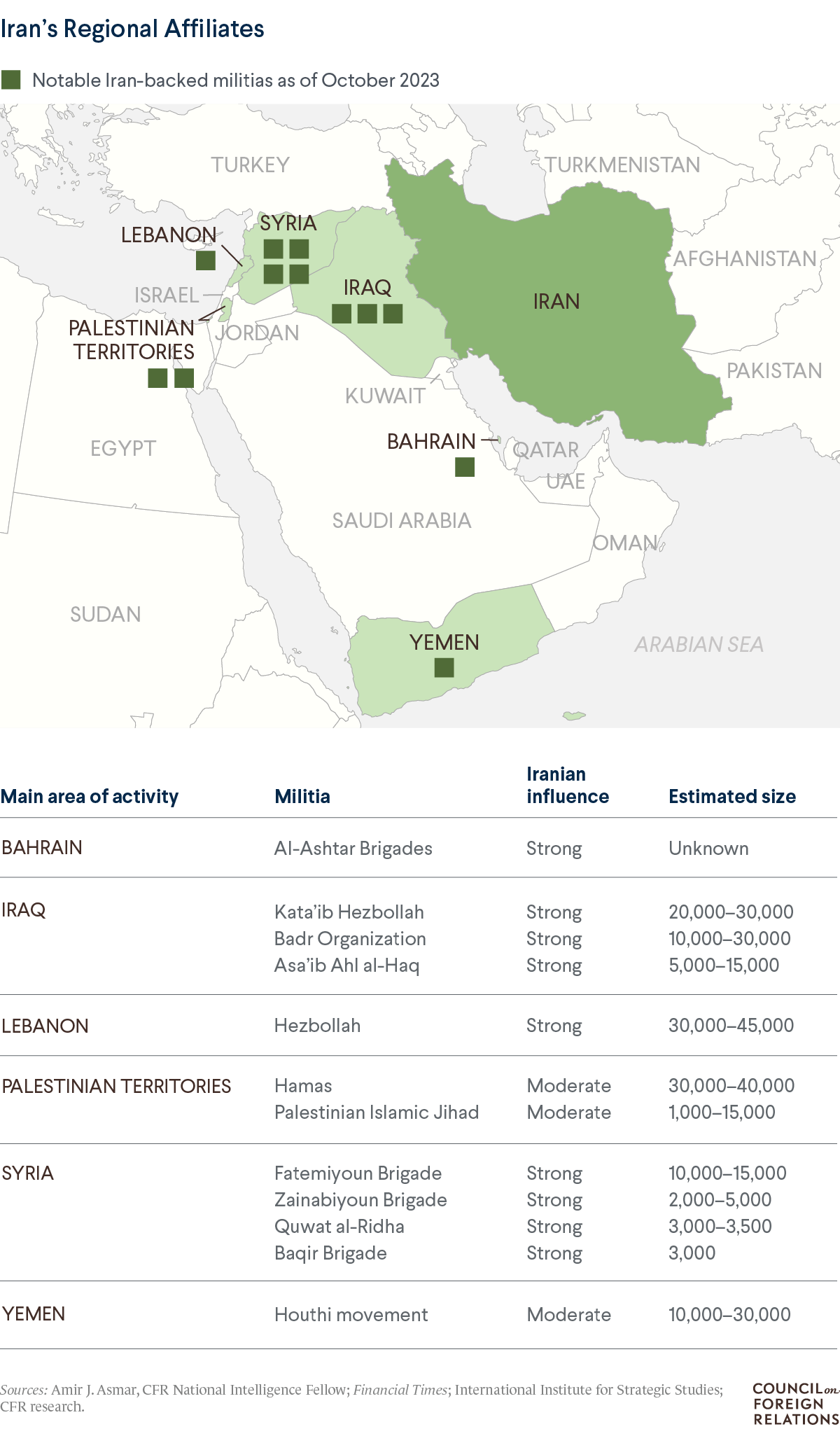
By attacking civilian hubs and energy infrastructure, Iran effectively forced the Gulf’s hand. You can’t play the middle ground when your airports are on fire. The UAE and Saudi Arabia are realizing that a wounded Iran is more dangerous than a powerful one. If a ceasefire happens tomorrow, the IRGC still has its drone factories and its hidden missile silos. The Gulf states would be left sitting ducks for a regime that now views them as co-conspirators in an American-led invasion.
Why a ceasefire is a nightmare for Riyadh
Saudi Arabia’s Crown Prince Mohammed bin Salman is in a corner. Publicly, the Kingdom has to maintain a level of Islamic solidarity and concern for regional stability. Privately, Saudi officials are reportedly telling the Trump administration to "continue hitting them hard."
There’s a specific fear driving this: the "Strategic Disaster" scenario. If the war ends with Iran still in possession of its long-range strike capabilities, the GCC faces a generational threat. The Saudis have already opened King Fahd Air Base in Taif to US forces—a move that signals they’re moving past "defensive neutrality" and into "active facilitation." Taif is further from the coast, safer from the swarms of Shahed drones that have battered Prince Sultan Air Base.
The calculation is cold and logical. If the US and Israel have already broken the seal on total war, they might as well finish the job. The Gulf states want "generational damage" inflicted on Iran’s military-industrial complex. They want the manufacturing sites for those drones and missiles turned to rubble. If they aren't, the moment the US moves its carriers back to the Pacific, Iran will exact its revenge on the smaller players across the water.
The fracture in the GCC
It’s not a perfect consensus, though. The Gulf isn't a monolith.
- The UAE and Bahrain are the most hawkish. They’ve already seen their commercial hubs targeted and want the threat neutralized once and for all.
- Qatar and Kuwait are more hesitant, balancing their roles as mediators with the reality that their energy exports are currently paralyzed.
- Oman remains the outlier, with Foreign Minister Badr Albusaidi still pushing for a diplomatic off-ramp, arguing that a prolonged war only breeds a more radicalized, vengeful Iran.
The Trump factor and the risk of abandonment
The biggest variable in this whole mess is Donald Trump. Gulf leaders are notoriously skeptical of Washington's long-term attention span. They remember 2019, when Iran attacked Saudi oil facilities at Abqaiq and the US response was... basically nothing.
Now, they're worried Trump might declare "victory" after a few high-profile assassinations and head back to Mar-a-Lago, leaving the region to deal with the fallout. This is why you see Gulf officials leaking to Israeli media and Western outlets. They're trying to lock the US into a mission that doesn't end until Iran is functionally disarmed.
It's a risky bet. By encouraging the US to stay the course, the Gulf is painting a target on its own back. Iran’s security officials, like Ali Larijani, have already accused these "Islamic brothers" of abandonment. If the US fails to totally dismantle the IRGC’s reach, the Gulf states will be facing a neighbor that has nothing left to lose and a very long memory.
Moving beyond the shield
The next few weeks will decide the security of the Middle East for the next fifty years. If the US continues the air campaign to include every known missile production facility, the Gulf might get the "strategic reset" it craves.
But if you’re looking for a silver lining, don't expect it to come from "normalization" or the Abraham Accords. Even the most hawkish Gulf officials are distancing themselves from the idea of new deals with Israel while the war is ongoing. The focus is survival, not optics.
If you want to track where this is going, watch the movements at King Fahd Air Base and the frequency of Iranian strikes on desalination plants. If Iran hits the water supply, the Gulf states will stop asking the US to fight and start launching their own F-15s. That’s the red line that changes everything.
Keep an eye on the insurance markets for global shipping. As long as those premiums stay at record highs, the economic pressure on the Gulf will force them to keep pushing for a decisive military conclusion. There's no going back to the way things were in 2025.