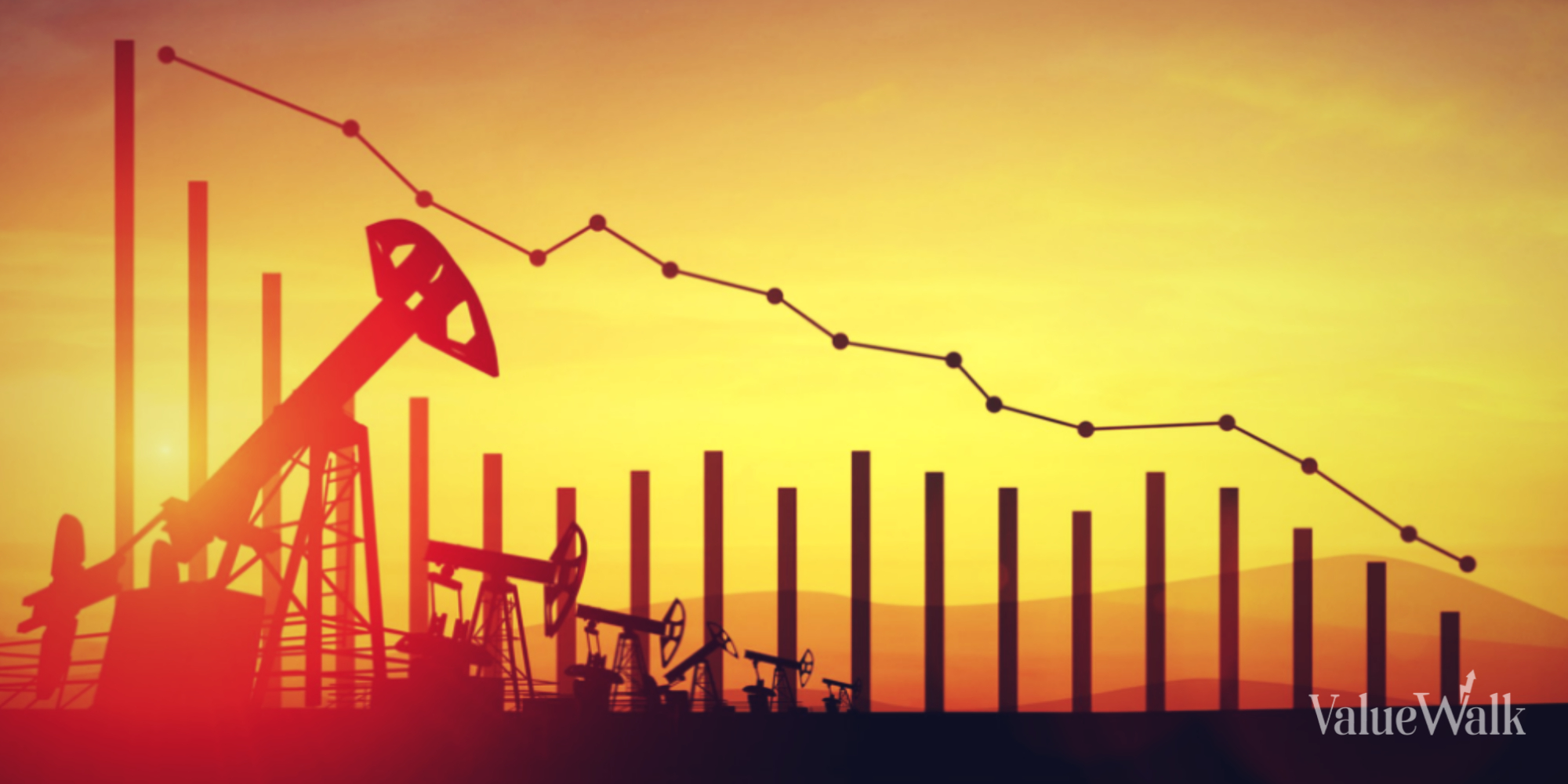
You probably don't think about the price of a barrel of crude oil when you're touring an open house. You're looking at the crown molding or the updated kitchen. But you should be looking at the gas station down the street. There is a direct, painful link between what you pay at the pump and what you pay for your 30-year fixed rate. If oil stays high, your mortgage stays expensive. It's that simple.
Most people think mortgage rates only follow the Federal Reserve. They wait for Jerome Powell to speak like he's an oracle. While the Fed matters, the bond market is the real engine behind home loans. Specifically, the 10-year Treasury yield. When oil prices spike, inflation fears explode. Bond investors hate inflation. They sell off, yields climb, and suddenly that 6.5% mortgage you were hoping for is back up to 7.2%.
The hidden connection between energy and interest
Oil is the literal fuel for the global economy. It isn't just about your commute. It's about the plastic in your toothbrush, the fertilizer for the food in your fridge, and the shipping costs for every Amazon package on your porch. When energy costs go up, everything gets more expensive. This is "cost-push" inflation.
Economists like Lawrence Yun from the National Association of Realtors have pointed out this correlation for years. High energy costs act as a tax on consumers. It drains your savings, making it harder to pull together a down payment. But more importantly, it signals to the market that the "inflation monster" isn't dead yet. If the consumer price index (CPI) stays hot because of energy, the Fed can't justify cutting rates. They might even have to hold them "higher for longer," a phrase that has become a nightmare for anyone trying to exit a rental agreement.
How the bond market reacts to the pump
Think of the 10-year Treasury yield as the North Star for mortgage lenders. Banks usually price 30-year mortgages about 250 to 300 basis points above that yield. Right now, that spread is wider than usual because of market volatility.
When oil prices move toward $90 or $100 a barrel, bond traders get nervous. They demand a higher return to compensate for the fact that inflation will eat into their future profits. This sends the 10-year yield up. Within hours, mortgage lenders adjust their daily rate sheets. You could literally lose thousands of dollars in borrowing power because of a geopolitical spat in the Middle East that sent oil prices up 5% overnight.
It feels unfair. You’re trying to buy a house in a local suburb, and your fate is tied to global oil production quotas. But that's the reality of a globalized financial system. You aren't just competing with other buyers; you're competing with the price of crude.
Why the Fed is stuck in a corner
The Federal Reserve has a dual mandate: stable prices and maximum employment. They use interest rates as a blunt instrument to cool down the economy when prices rise too fast. If oil stays high, the "stable prices" part of that mandate is at risk.
I’ve seen this play out before. Even if the rest of the economy starts to slow down—which usually leads to lower rates—stubbornly high energy prices can keep the Fed from acting. They're terrified of the 1970s scenario. Back then, they let off the gas too early, inflation roared back, and they had to jack rates into the double digits to fix it. They don't want to be the ones who let history repeat itself. So, they wait. And while they wait, you're stuck paying a premium for your home loan.
What this means for your home search
Don't wait for a "perfect" moment that might not come. If you find a house that fits your budget and your life, you might need to jump. Trying to time the market based on oil futures is a fool's errand. Even the best analysts get it wrong.
However, you should be defensive. Look at your debt-to-income ratio with a critical eye. If oil prices are high, your monthly utility bills and grocery costs will also be higher. A mortgage payment that felt "tight but doable" six months ago might feel suffocating when it costs $80 to fill up your tank.
Strategies for the high rate environment
You have to be smarter than the average buyer. If the macro-economy is working against you, look for micro-advantages.
- Adjustable-Rate Mortgages (ARMs): These aren't the villains they were in 2008. If you plan to move in five or seven years, a 5/1 or 7/1 ARM can save you a significant amount on your monthly payment compared to a 30-year fixed.
- Seller Concessions: In a high-rate environment, houses sit on the market longer. Use that leverage. Ask the seller to buy down your rate. A "2-1 buy-down" can give you a much lower rate for the first two years, giving you breathing room until energy prices (hopefully) stabilize and you can refinance.
- Improve Your Credit Score: This is the only part of the equation you actually control. A move from a 680 to a 740 credit score can save you more on your mortgage rate than a $10 drop in oil prices ever will.
The era of 3% interest rates was an anomaly. We're likely heading back to a "normal" range of 6% to 7%. That feels high because we've been spoiled for a decade. But historically, it’s actually quite average. The problem isn't just the rate; it's the combination of high rates, high home prices, and high energy costs. It's a triple threat to your purchasing power.
Stop checking the headlines for Fed rumors every day. Start watching the energy sector. If you see oil prices trending down, that’s your green light that mortgage relief might be around the corner. If they’re climbing, buckle up. Your housing costs aren't going down anytime soon.
Get your pre-approval updated every 30 days. Most lenders will do this with a soft credit pull now. It ensures you know exactly what you can afford as the market shifts. Don't let a sudden jump in oil prices catch you off guard when you're ready to make an offer.