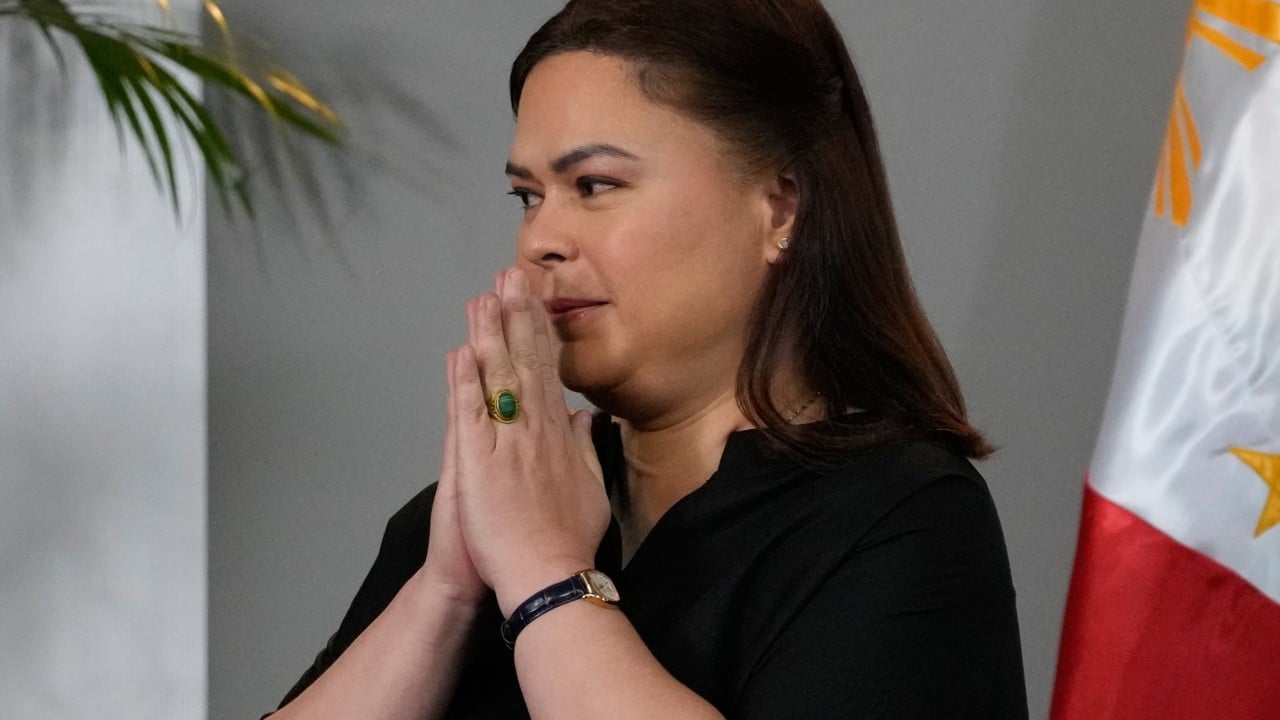
The political marriage of convenience that once ran the Philippines is officially dead. On March 4, 2026, the House Committee on Justice voted 54-1 to move forward with two massive impeachment complaints against Vice President Sara Duterte. This isn't just another legal hurdle for the Duterte dynasty; it’s a high-stakes play that could erase the daughter of former President Rodrigo Duterte from the 2028 presidential ballot before she even gets a chance to campaign.
If you’ve been following the messy breakup between President Ferdinand "Bongbong" Marcos Jr. and his Vice President, today’s vote was the inevitable climax. The committee ruled that the allegations—ranging from unexplained wealth and the misuse of public funds to literal death threats against the President—are "sufficient in substance." This means the House has stopped debating whether the paperwork is correct and started looking at the actual crimes.
The Charges You Need to Know
The complaints aren't just vague accusations. They’re specific, documented, and, frankly, pretty wild. The committee is focusing on two main complaints after others were tossed out for technicalities or redundancy.
One complaint, filed by a group of religious leaders and endorsed by Representative Leila de Lima, focuses heavily on the misuse of roughly ₱612.5 million in confidential funds. We're talking about taxpayer money that was reportedly spent in record time with almost zero transparency. There are also bribery allegations from her time as Education Secretary, involving claims of "monetary gifts" handed out to DepEd officials.
The second complaint, filed by lawyer Nathaniel Cabrera, digs into her finances. Critics point to her Statement of Assets, Liabilities, and Net Worth (SALN), where her net worth allegedly jumped by over 1,000%. In any government, that kind of math usually triggers an alarm.
Then there's the "death threat" that everyone is talking about. During a late-night press briefing, Duterte claimed she’d hired an assassin to kill Marcos, the First Lady, and the House Speaker if she were to be assassinated first. She later called it a "misinterpretation," but the House committee isn't buying that excuse. They see it as a direct threat to national stability.
Why Last Year Was Different
You might remember that Duterte survived an impeachment bid in 2025. The Supreme Court eventually killed that one because of a "one-year bar" rule—the Constitution says you can't initiate impeachment against the same official more than once a year.
That clock has now run out. The House Committee on Justice, led by Chairperson Gerville Luistro, has been very careful this time. They waited for the legal window to open in February 2026 before letting these new complaints through. Luistro was blunt about it during the hearing: the Supreme Court didn't "clear" her last year; they just said the timing was wrong. Now, the timing is perfect.
The Road to 2028
The timing isn't just about the law; it’s about the next election. Just a few weeks ago, in mid-February 2026, Sara Duterte officially confirmed she’s running for President in 2028.
An impeachment conviction in the Senate would do more than just kick her out of the Vice Presidency. It would permanently disqualify her from holding any public office. For the Marcos camp and their allies in the House, this is a clean way to remove their biggest rival from the board.
Don't think for a second that this is one-sided, though. The Duterte family still has a massive, loyal base. Her legal team, led by Michael Poa, is keeping quiet for now, but they’ve been ordered to file a formal response within 10 days. They'll likely argue that this whole thing is a politically motivated "witch hunt" designed to stop the Duterte momentum.
What Happens Next
The process is moving fast, and you should watch these specific milestones over the next few months:
- The 10-Day Response: Duterte has a non-extendible period of 10 days to answer the charges.
- Probable Cause Hearings: The committee will evaluate the evidence and her response to see if there’s a real case to be made.
- The House Vote: One-third of the total House members must vote to impeach her to send the case to the Senate.
- The Senate Trial: This is where it gets real. The Senate acts as the jury. If two-thirds of the senators vote to convict, she's gone.
This isn't just a "storm in a teacup," as some politicians tried to claim last year. It's a fundamental shift in Philippine power dynamics. You're watching the dismantling of an alliance that once seemed unbreakable.
If you're looking for the next move, keep a close eye on the House plenary. Once that 10-day window for her response closes, the pace of the hearings will tell you exactly how much political capital the administration is willing to spend to finish this.