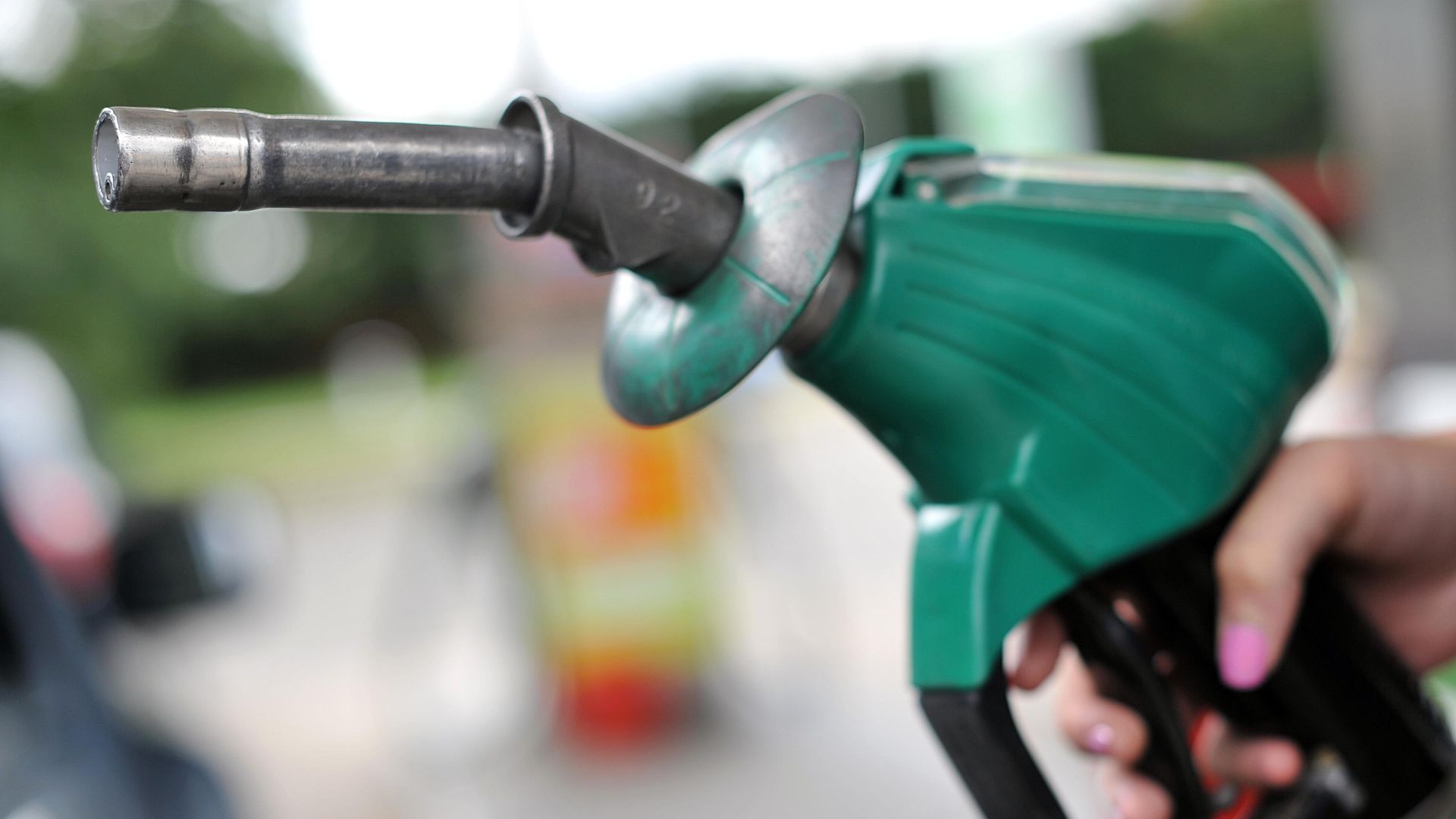
The pre-dawn air at the corner gas station is bitingly cold, smelling of stale coffee and exhaust. Elias stands there, the plastic handle of the pump clicking rhythmically in his grip, watching the red numbers on the display sprint upward. It is a mundane ritual, repeated by millions every Tuesday morning. But today, Elias isn't just looking at the price per gallon. He is looking at a small headline on his phone about a drone strike six thousand miles away.
He wonders if that explosion in a place he couldn't find on a map is the reason he’s currently paying five dollars more to fill his tank than he did last week.
It feels personal. It feels like a direct tax on his commute, his kids' soccer practice, and his Friday night pizza. To Elias, and to most of us, the global oil market is a ghost. We cannot see it, we cannot touch it, and we certainly cannot control it, yet it has a definitive, heavy hand in our monthly budgets. When the Middle East trembles, the vibrations travel through the earth, under the oceans, and up through the nozzle of a pump in suburban Ohio.
The Fragile Geography of a Gallon
To understand why a conflict in the Strait of Hormuz dictates the cost of a trip to the grocery store, we have to look at the world as a series of precarious plumbing fixtures.
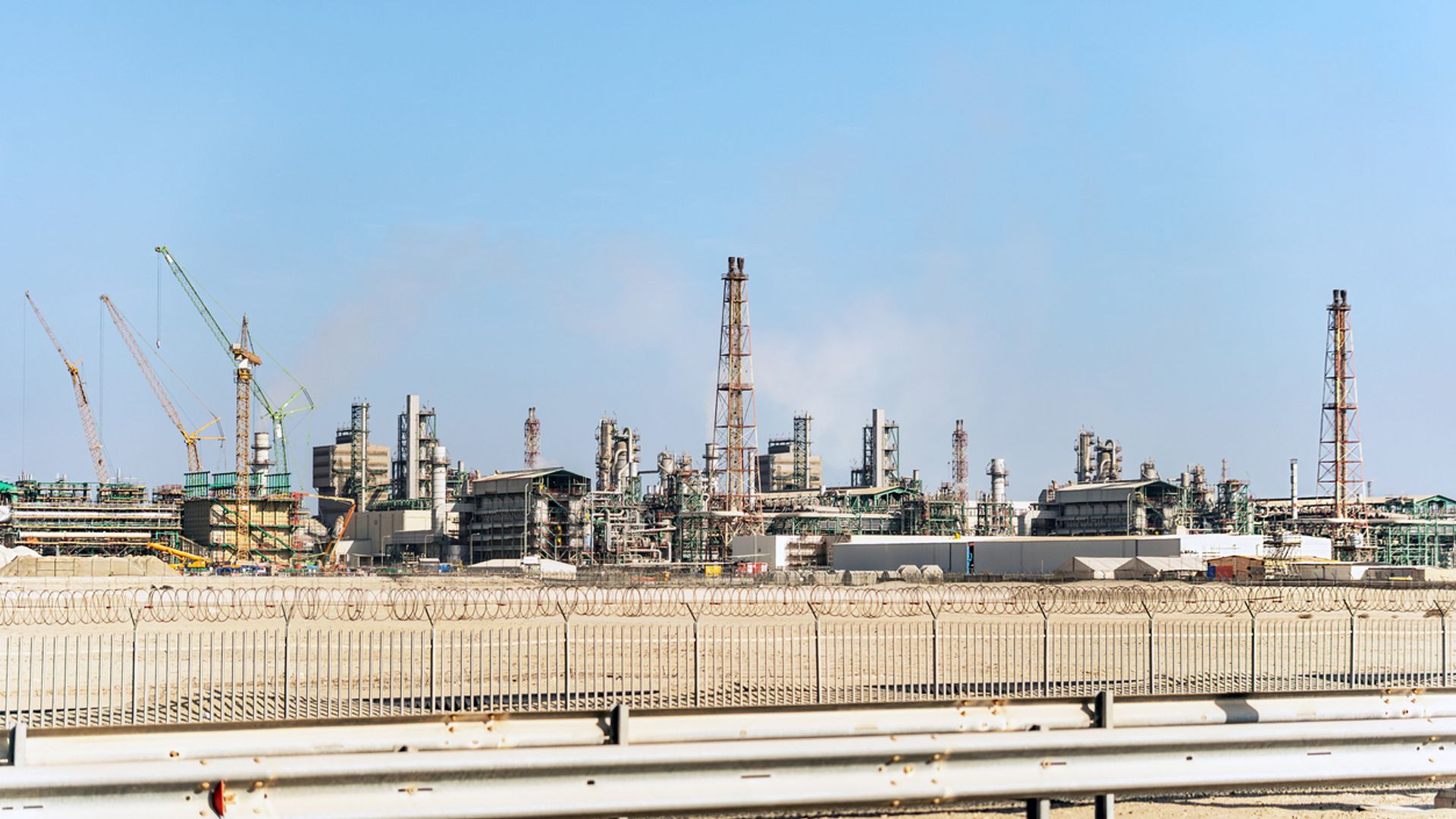
Most of the planet’s spare oil capacity sits in a handful of nations surrounding the Persian Gulf. This region is the world's lung; when it breathes easily, the global economy moves with a steady pulse. When it gasps, we all feel the lightheadedness of inflation.
Consider the Strait of Hormuz. It is a narrow stretch of water, only twenty-one miles wide at its narrowest point. Through this tiny throat passes roughly one-fifth of the world’s total oil consumption every single day. If you imagine the global economy as a high-performance engine, Hormuz is the fuel line. A single spark—a seized tanker, a missile battery, or a naval blockade—acts like a kink in that line.
When a conflict breaks out, or even when the threat of conflict looms, the price of oil doesn't go up because the oil has actually vanished. It goes up because of a much more human emotion: fear.
The Ghost in the Machine
The "price" of oil is not set by a man in a booth at the gas station. It is set in glass towers in London and New York by people who trade in "futures." These traders are essentially gamblers betting on what the world will look like three months from now.
If a news report breaks at 2:00 PM regarding an escalation in the Middle East, the trader isn't worried about today’s oil. They are worried that in sixty days, the ships won't be able to leave the Gulf. They start buying. They bid the price up.
This creates a "risk premium." It is a polite, financial term for a panic tax. Even if not a single drop of oil is lost to a fire or a sunken ship, the mere possibility that it could happen sends the price of a barrel soaring. This is why you often see gas prices jump forty-eight hours after a geopolitical event, long before the "expensive" oil has even been refined or shipped.
We are paying for the anxiety of a stranger in a suit.
Why the Local Pump Mimics the Global Storm
You might wonder why your local station, which might get its fuel from a refinery in Texas or Canada, cares about a skirmish in the Levant. It seems illogical. If the oil is coming from our own backyard, why does the price track with the Middle East?
Oil is a fungible commodity. That is a dry way of saying that a barrel is a barrel, regardless of where it was pulled from the dirt. It is traded on a global auction block. If the supply from the Middle East drops, the rest of the world’s buyers—from Tokyo to Berlin—suddenly start bidding on the oil from Texas and Canada.
The price goes up for everyone because the highest bidder sets the mark. Your local gas station owner, who operates on razor-thin margins, sees the "rack price" (the wholesale cost) rise overnight. They have no choice. If they don't raise their prices, they won't have enough capital to buy the next truckload of fuel.
The Myth of Energy Independence
There is a common comfort we tell ourselves: that we produce enough of our own energy to be immune. In a hypothetical world, we could wall ourselves off, keep our own oil, and ignore the chaos of the Mediterranean and the Gulf.
But we don't live in that world. We live in a world of interconnected vessels.
Even if the United States or the UK produces significant amounts of crude, we are still tethered to the global price. Refineries are specialized. Some are built to process the "sour," heavy crude that comes from overseas, while others handle the "sweet," light crude from local shale. We export what we can't use and import what we need.
When the Middle East catches a cold, the global market develops a fever. There is no bunker deep enough to hide a local economy from a global price shock.
The Human Toll of the Cent
For Elias, the math is simple and brutal. A ten-cent rise in the price of petrol isn't just a statistic. Over the course of a month, that ten cents might be the difference between a new pair of shoes for his daughter or a slightly more stressful conversation with his spouse about the electric bill.
We often talk about "geopolitical instability" as if it were a board game played by giants. We analyze maps and troop movements. But the true map of a conflict is found in the kitchen-table ledgers of ordinary people.
When we ask if the cost of petrol will go up, what we are really asking is: How much of my life will be claimed by a war I didn't start?
The Buffers and the Breaks
Is it all doom? Not necessarily. The global system has developed a few shock absorbers over the decades.
- Strategic Reserves: Governments keep massive underground salt caverns filled with millions of barrels of oil. They can "release" this oil to flood the market and bring prices down during a crisis. It’s a literal rainy-day fund made of black gold.
- Production Shifts: If prices stay high for too long, producers in other parts of the world—the US, Brazil, Guyana—crank up their rigs. They want to capture those high profits. Eventually, this new supply meets the demand, and the price begins its slow, agonizing crawl back down.
- The Demand Destruction: This is the darkest buffer. When gas becomes too expensive, people simply stop driving. They cancel vacations. They stay home. The demand drops, the surplus grows, and the price falls. It is a self-correcting mechanism fueled by collective hardship.
The Horizon
The sun is fully up now. Elias finishes filling his tank. The total is seventy-two dollars. He remembers when it was forty-five.
He drives away, heading toward the highway, joined by thousands of other silver and black sedans, all of them burning through liquid that was pumped out of the earth months ago, priced by a panic that happened yesterday, and dictated by a history that goes back centuries.
We like to think of our lives as independent, steered by our own hands on the wheel. But as long as our world runs on a finite, concentrated resource, our steering wheels are connected by invisible, thousand-mile-long cables to the most volatile corners of the globe.
The next time the news cycle turns red with reports of unrest in the desert, we don't need to check the financial tickers to know what happens next. We only need to wait for the Tuesday morning ritual, watching the red numbers on the pump climb just a little faster than the week before, a silent tax on a world that hasn't yet figured out how to stop leaning on a fractured pillar.
The price of a gallon is never just about the oil. It is the cost of living in a world where everyone is connected, whether they want to be or not.