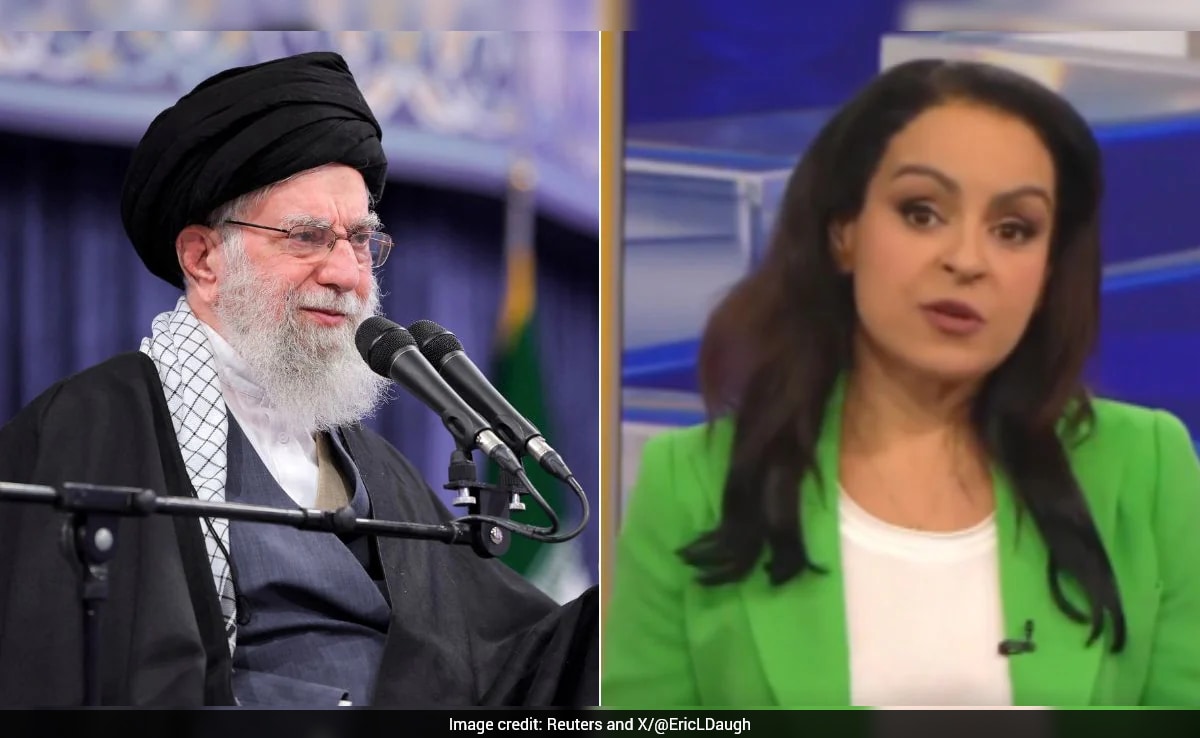
The news of Ayatollah Ali Khamenei’s death didn't just move markets or shift diplomatic cables. It hit a nerve for millions of people who spent decades living under the shadow of the Islamic Republic. For those who fled the country as children, the moment wasn't about geopolitical "stability" or "succession protocols." It was deeply personal. When news hosts who once escaped the regime as refugees look directly into the camera and say "burn in hell," they aren't just being provocative for ratings. They're voicing a generational trauma that hasn't found a vent until now.
Most Western media outlets treat the passing of a Supreme Leader like a standard obituary for a head of state. They list the years in power, the nuclear deal standoff, and the regional influence. But if you want to understand what's actually happening, you have to look at the visceral, raw reactions from the people the regime tried to silence. This isn't just about politics. It’s about the end of an era defined by fear.
Why This Death Hits Different for the Diaspora
For a refugee, the "homeland" is a complicated concept. It’s a place of childhood memories buried under layers of state-mandated restrictions. When high-profile journalists like those who grew up in the shadow of the 1979 revolution speak out, they’re representing a massive global community. This community has watched from afar as their cousins and friends faced the "Morality Police" or disappeared into Evin Prison.
The reaction isn't "composed." It shouldn't be.
When you’ve seen your family's life upended and your culture hijacked by a hardline theocracy, "neutrality" feels like a betrayal. The bluntness we’re seeing on social media and news broadcasts reflects a reality where the Iranian people have been separated from their government for nearly fifty years. The gap between the rulers in Tehran and the people—both inside and outside the borders—has never been wider.
The Reality of Escaping the Regime
Leaving Iran isn't a simple flight out of Tehran. For many, especially during the height of the regime's crackdowns, it involved harrowing journeys across borders, leaving behind everything. We’re talking about families who abandoned careers, homes, and history to ensure their children wouldn't grow up in a system that dictates everything from what you wear to how you think.
Take the stories of those who grew up in the 80s and 90s. They remember the sirens of the Iran-Iraq war, but they also remember the quiet terror of the Komiteh patrolling the streets. When a news host who lived through that says "burn in hell," they are speaking for the kid who was scolded for having a Michael Jackson tape or the girl who was told her hair was a "weapon of the devil."
It’s easy for pundits in D.C. or London to talk about "regional shifts." It’s much harder to acknowledge the human cost of Khamenei’s thirty-plus years at the top. He wasn't just a politician. He was the ultimate arbiter of life and death for over 80 million people.
What the Media Misses About the Succession
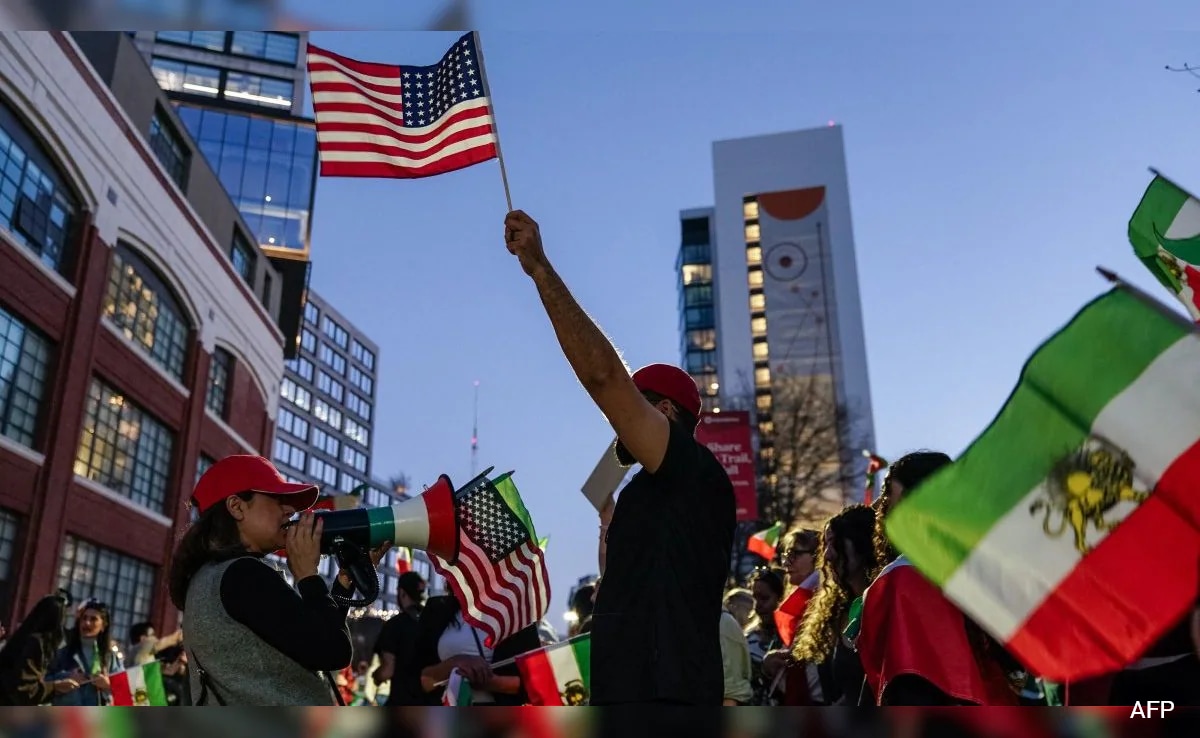
Everyone wants to talk about who comes next. Will it be Mojtaba Khamenei? Will the Assembly of Experts choose a "moderate" facade? Honestly, for the people celebrating in the streets of London, Los Angeles, and Toronto, the name of the next guy matters less than the cracking of the foundation.
The regime survives on the myth of its own permanence. Khamenei’s death shatters that. It proves that the "Supreme" leader is, in fact, mortal. This creates a psychological opening.
History shows us that these systems don't usually collapse because of a single death, but the death serves as a catalyst. It forces the internal factions to fight for the scraps of power. While the IRGC (Islamic Revolutionary Guard Corps) will likely try to tighten its grip, the spectacle of public celebration by those who escaped sends a message back home: "We haven't forgotten, and we aren't afraid anymore."
The Impact of Public Defiance
There’s a reason the regime spends so much money on cyber-armies and international propaganda. They hate being laughed at. They hate being cursed. When a prominent Iranian-born figure uses their platform to express joy at the leader's passing, it breaks the spell of "respect" the regime tries to demand on the world stage.
- It validates the protesters: People inside Iran, who risk everything to post a video without a hijab, see these international reactions and feel less alone.
- It changes the narrative: It moves the conversation away from "stability" and toward "justice."
- It forces Western governments to listen: When the diaspora is this vocal, it’s harder for foreign ministries to play the "business as usual" game with the next dictator.
The "burn in hell" comment wasn't a slip of the tongue. It was a deliberate choice to refuse the polite norms of diplomacy in favor of the ugly truth of the Iranian experience.
Navigating the Next Few Months
If you're watching this unfold, don't get distracted by the official funeral processions or the state-mandated mourning. Those are stage-managed for the cameras. The real story is in the encrypted Telegram channels and the kitchen table conversations in Great Neck, Glendale, and Richmond Hill.
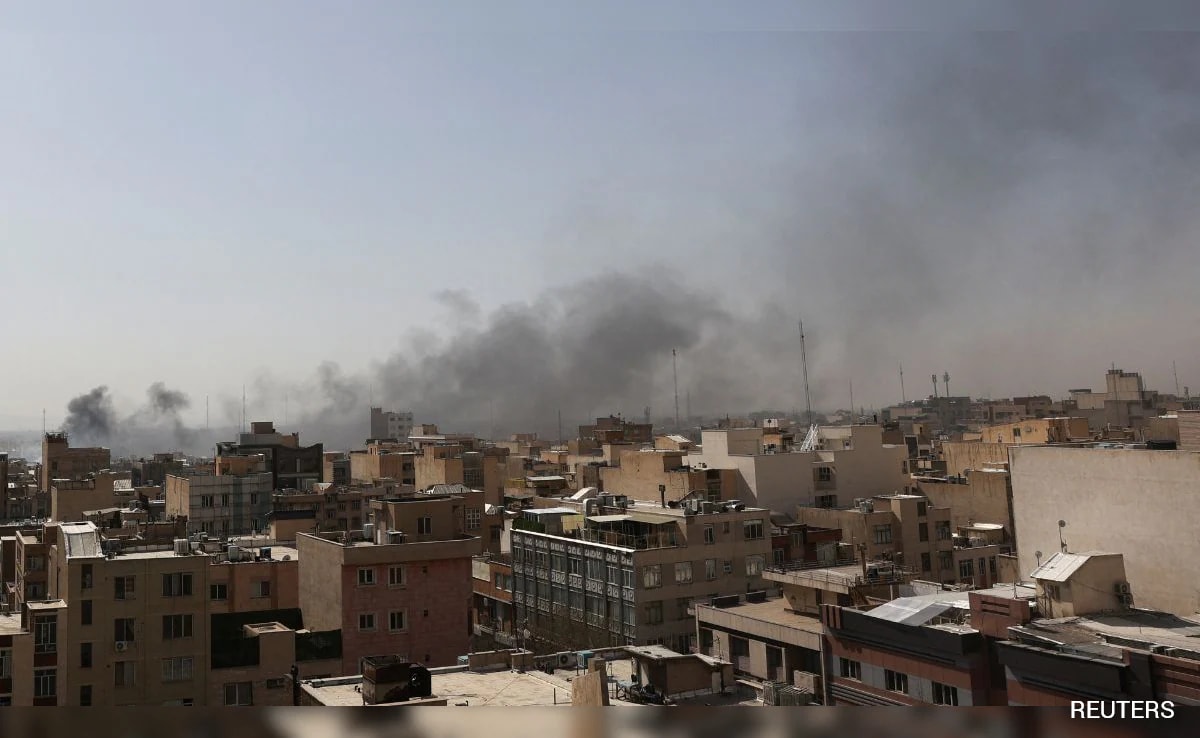
The immediate aftermath will likely involve a massive crackdown within Iran to prevent any uprising during the transition. The regime knows it’s vulnerable. This is the time to keep an eye on the labor strikes and the smaller cities, not just Tehran. The diaspora’s role right now is to keep the world’s eyes on the ground so the "transition" doesn't happen in the dark.
If you want to support the Iranian people, stop looking for "reformers" within a system that has proven it can't be reformed. Listen to the people who were forced out. They know the system better than any analyst. They’re the ones who lived it, fled it, and are now watching its architects face the ultimate judgment.
Pay attention to the human rights reports coming out of Amnesty International and the Center for Human Rights in Iran over the next few weeks. The transition of power is the most dangerous time for political prisoners. If the international community stays quiet while the regime reorganizes, we’re failing the very people who are currently celebrating a glimmer of hope. Check the news, verify your sources, and don't let the "official" narrative drown out the voices of those who escaped.