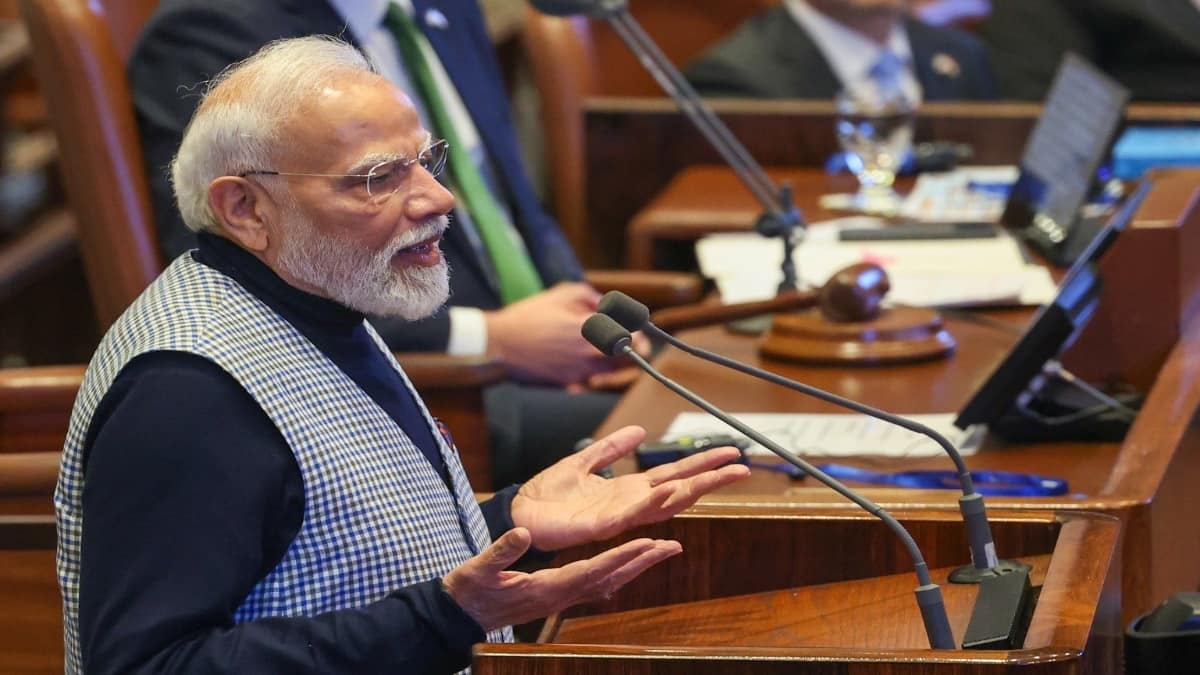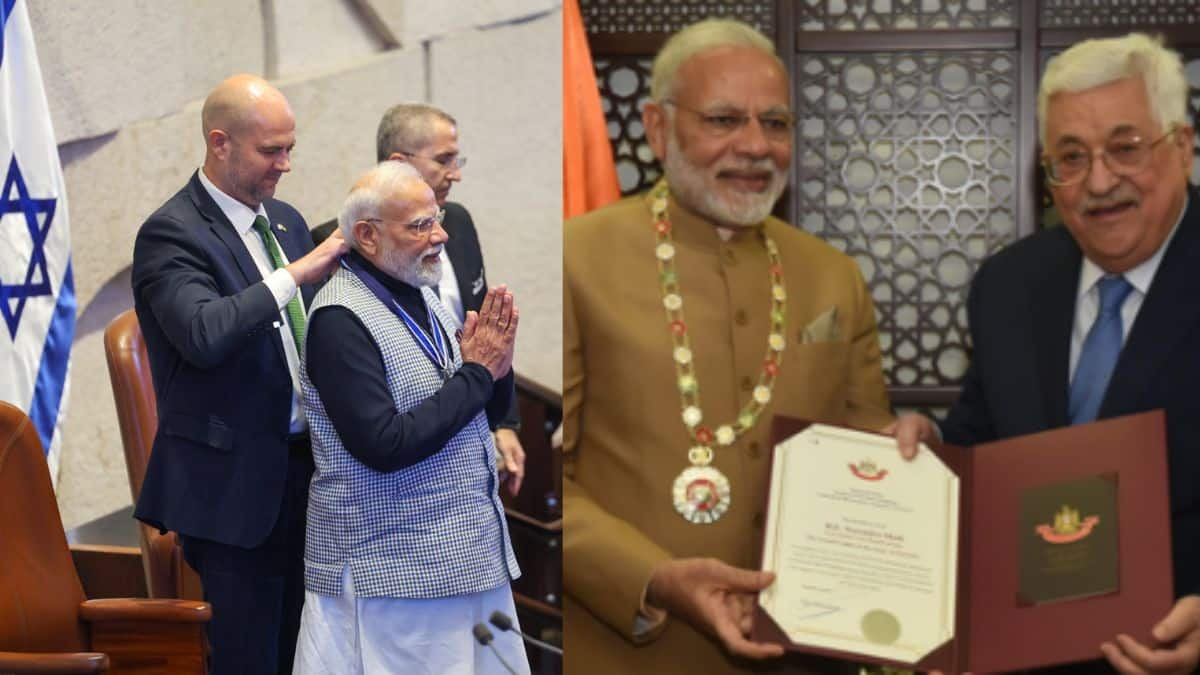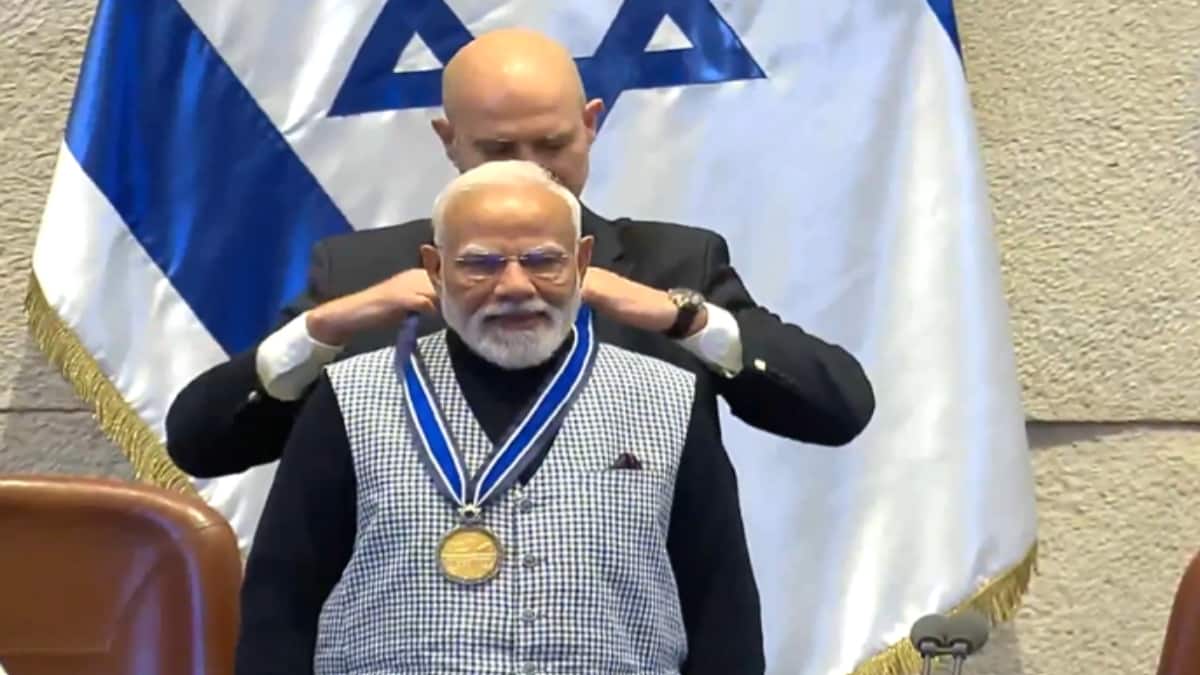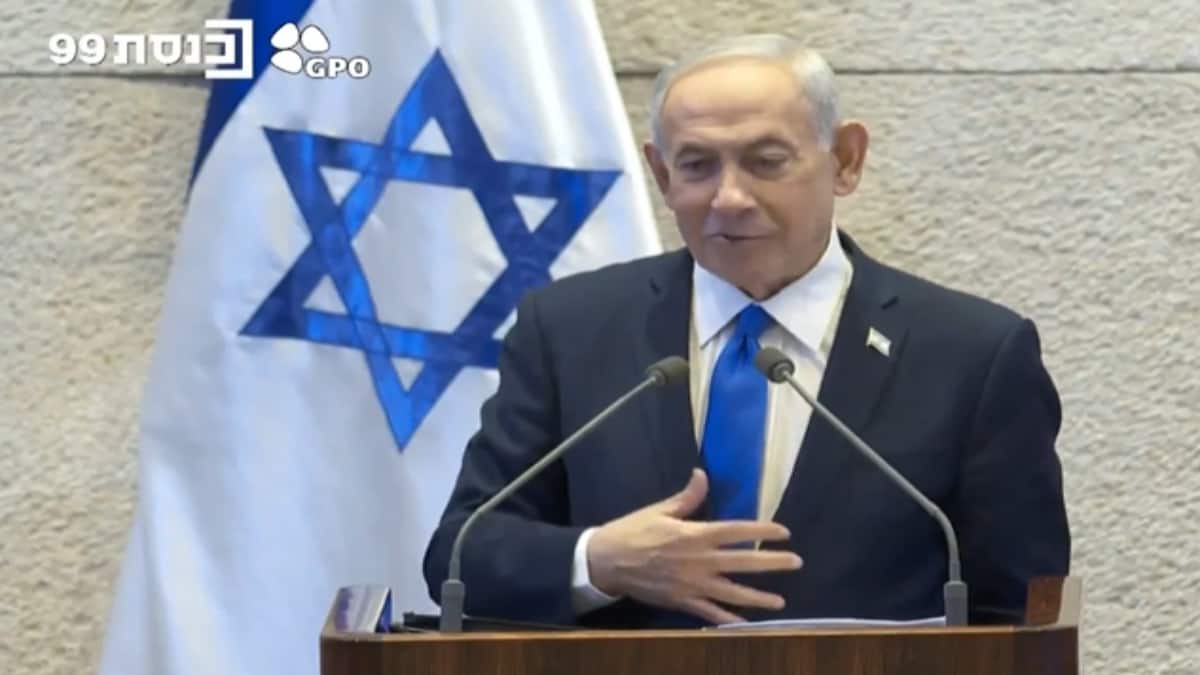
Netanyahu calls Modi a brother. The press swoons. The diplomatic corps pops champagne. They see a "new era" of ideological alignment. They see two ancient civilizations finally finding their soulmate in a chaotic world.
They are wrong.
What the mainstream media paints as a deep-seated spiritual and cultural bond is actually a cold, hard, and terrifyingly fragile series of defense contracts and intelligence swaps. Calling it a "brotherhood" isn't just hyperbole; it’s a strategic smoke screen. If you believe the rhetoric coming out of the Knesset, you’re missing the actual mechanics of power that make this relationship tick—and the cracks that will eventually split it wide open.
The Myth of Shared Values
The "lazy consensus" argues that India and Israel are natural allies because they are both "beleaguered democracies" fighting similar threats. This is a fairy tale for the Sunday supplements.
Israel is a high-tech, Western-integrated ethnocentric state with a GDP per capita that rivals Western Europe. India is a sprawling, diverse, developing superpower-in-waiting that still navigates the complexities of the Global South. Their "shared values" are a convenient mask for shared enemies.
I’ve sat in rooms where these "bonds" are negotiated. Nobody is talking about democracy. They are talking about the Barak-8 missile system. They are talking about Phalcon AWACS. They are talking about how to bypass the bureaucratic sludge of the US State Department by going directly to Tel Aviv for tech that Washington won't share.
India doesn't love Israel; India loves Israeli tech. Israel doesn't love India; Israel loves the Indian market. It is a marriage of convenience where both parties are already looking at the exit signs.
The Defense Addiction
India is the largest buyer of Israeli weapons. Between 2018 and 2022, Israel accounted for a massive chunk of India's arms imports. This isn't a "relationship." This is a supply chain dependency.
- The Problem: India's "Make in India" initiative is fundamentally at odds with Israel's need to export finished goods.
- The Friction: Jerusalem wants to sell the black box. New Delhi wants to open the black box, copy the circuitry, and build it in Uttar Pradesh.
- The Reality: The moment India successfully indigenizes its defense tech, the "brotherhood" loses its primary revenue stream.
I have watched defense contractors struggle with this for a decade. You cannot base a multi-generational alliance on a vendor-client relationship where the client is actively trying to fire the vendor.
The Iran Elephant in the Room
Everyone ignores the geography.
Israel views Iran as an existential threat. Period. No nuance. No compromise.
India views Iran as a critical gateway to Central Asia and a necessary counterweight to Pakistan. India has invested billions in the Chabahar Port. While Netanyahu is busy trying to convince the world to sanction Tehran into the stone age, Modi’s diplomats are sipping tea with Iranian officials to ensure energy security and transit routes.
You can only play both sides for so long. Eventually, a crisis in the Persian Gulf will force India to choose between its "brother" in Jerusalem and its pragmatic interests in Tehran. History shows that India chooses India every single time.
The Tech Transfer Deception
The "Start-Up Nation" and the "Digital India" narratives are often mashed together as if they are a single entity. They aren't.
Israel’s tech ecosystem is built on military intelligence units like Unit 8200. It is highly specialized, elite, and focused on cybersecurity and surveillance. India’s tech ecosystem is a volume-based behemoth moving toward consumer platforms and SaaS.
The "synergy" (to use a word I despise) is superficial. When Israel sells Pegasus or similar surveillance tools to India, it isn't "fostering" growth; it’s selling tools of statecraft.
Stop Asking if the Relationship is Strong
The "People Also Ask" sections of the internet are filled with queries like "How has India-Israel relations improved under Modi?"
This is the wrong question.
The right question is: "At what point does the cost of the Israel relationship outweigh the benefits for India's Middle East policy?"
India has 9 million citizens working in the Gulf. The remittances from the UAE, Saudi Arabia, and Qatar dwarf any economic benefit derived from trade with Israel. India is currently performing a high-wire act—balancing the Abraham Accords, its ties to the Palestinian Authority, and its defense needs from Israel.
The moment the Middle East de-stabilizes further, India’s "Look West" policy will prioritize the Riyadh-Abu Dhabi axis. Why? Because that’s where the money is. Israel is a boutique partner; the Gulf is a structural necessity.
The Brutal Truth of Decoupling
The "brotherhood" talk is a psychological operation designed to soothe domestic audiences in both countries. In Israel, it makes the country feel less isolated. In India, it appeals to a certain segment of the electorate that admires Israel’s "tough on terror" stance.
But look at the trade numbers. Total bilateral trade (excluding defense) remains a rounding error compared to India’s trade with China or the US. If the relationship were truly "pivotal," we would see massive integration in agriculture, water tech, and semiconductors. Instead, we see a few high-profile pilot projects and a lot of press releases.
I’ve seen this movie before. A mid-sized power clings to a rising superpower to gain legitimacy, while the rising power uses the mid-sized power for quick tech gains. It lasts exactly as long as the mutual enemy remains the primary threat.
The Actionable Reality
If you are an investor or a policy analyst, stop buying the hype.
- Discount the Rhetoric: When you hear "brother," think "temporary supplier."
- Watch the Oil: Monitor India’s energy deals with Iran and Iraq. If those spike, the Israel "bond" is being sidelined.
- Track the "Make in India" Milestones: Every time India successfully builds its own drone or radar system, the leverage Israel holds over New Delhi drops by 10%.
The India-Israel tie isn't a deep-rooted tree. It’s a series of scaffolding poles held together by the immediate necessity of defense procurement.
Scaffolding is useful. It helps you build something bigger. But nobody confuses the scaffolding for the home. Once the structure of Indian military self-sufficiency is complete, the scaffolding will be torn down and sold for scrap.
Don't mistake a business transaction for a blood bond. Netanyahu might call Modi a brother today, but in the world of realpolitik, there are no brothers—only interests.
Stop looking for a soulmate in international relations. It’s a marketplace, and the prices are about to change.