Japan has a reputation for being the safest place on earth. You can leave your wallet on a cafe table, walk away for ten minutes, and find it exactly where you left it. But if you're part of the growing Muslim community in Japan, that sense of security is starting to feel like a facade. Recent suspected arson attacks have sent a chill through the community, and the "everyone is scared" sentiment isn't just hyperbole. It's a rational response to a shift in the social wind.
For a long time, the narrative was that Islamophobia didn't really exist in Japan because the population was too small to be noticed. That's changed. With roughly 230,000 Muslims now calling the archipelago home—ranging from Indonesian tech workers to Pakistani entrepreneurs and Japanese converts—the community is visible. And visibility, unfortunately, has brought a target.
Why the Recent Arson Attacks Changed Everything
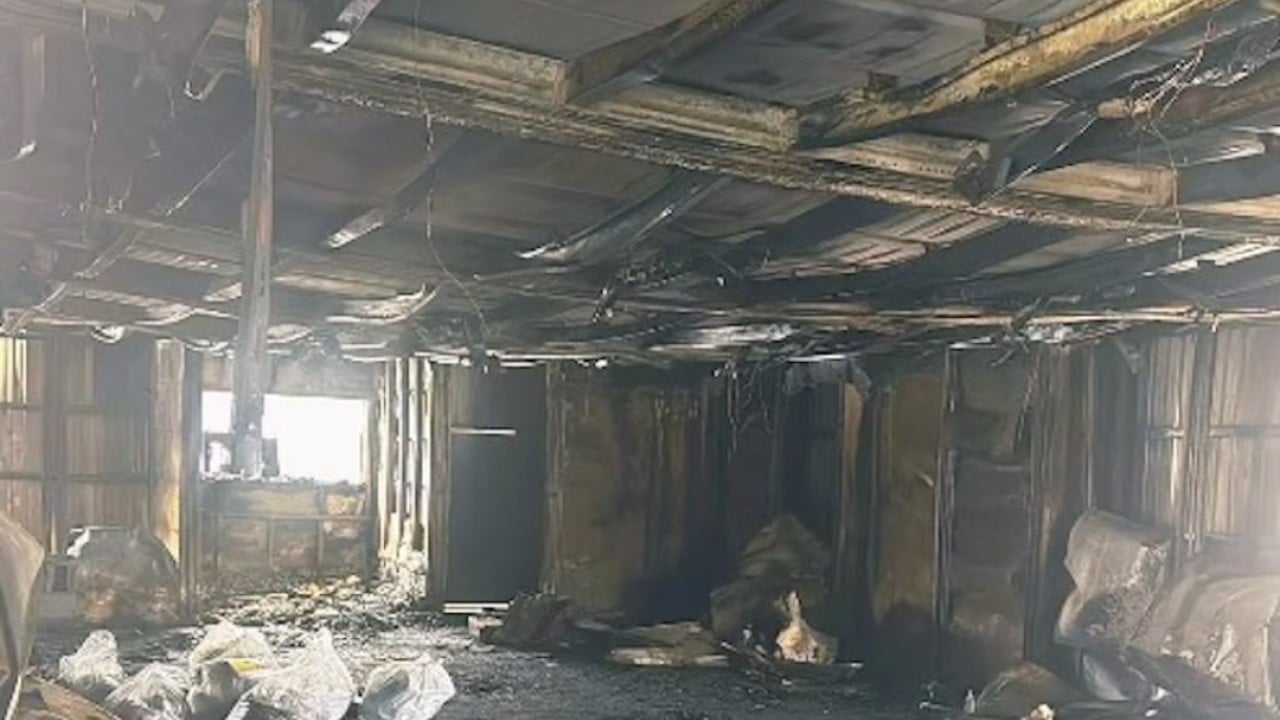
When a place of worship is targeted with fire, it’s not just about property damage. It’s a message. While Japanese authorities are often slow to label these incidents as hate crimes, the timing and nature of the fires suggest something more sinister than a stray cigarette or an electrical short.
The fear isn't just about the fire itself. It's about the silence that follows. In many of these cases, the local news cycle moves on within 24 hours. For the families who pray at these mosques, the anxiety lingers. They're looking over their shoulders at the grocery store. They're wondering if their children are safe at school. The psychological impact of suspected arson is a slow burn that consumes the sense of belonging.
The Surveillance State Undercurrent
You can't talk about safety without talking about the police. In a surprising move that many outside Japan don't know about, the Japanese Supreme Court previously upheld the government's right to conduct blanket surveillance on the Muslim community.
Think about that. Simply for practicing your faith, your movements, your associations, and your conversations can be monitored. When the state treats an entire religious group as "potential suspects" for the sake of national security, it sends a green light to the more extreme elements of society. If the police don't trust you, why should your neighbor?
The Social Media Catalyst
Japan’s internet culture has a dark corner. While the average person on the street in Tokyo or Osaka is polite and helpful, the anonymity of platforms like X (formerly Twitter) and local forums like 2channel tells a different story.
- Xenophobia disguised as "Cultural Preservation": There's a rising vocal minority claiming that the increase in mosques is a threat to Japanese "harmony" (wa).
- The Global Echo Chamber: Far-right rhetoric from Europe and North America is being translated and repurposed for a Japanese audience.
- Misinformation: Rumors about "no-go zones"—a complete fabrication—occasionally trend, fueling unnecessary panic among the elderly Japanese population.
The disconnect is jarring. You have a community that is deeply integrated, contributing to the economy, and revitalizing dying rural towns, yet they're being painted as an existential threat by keyboard warriors.
Is Japan Still a Safe Haven
If you ask a Muslim resident if they want to leave, most will say no. They love the infrastructure, the work ethic, and the general peace. But they're exhausted. They're tired of being the "eternal foreigner" even after decades of residency or having a Japanese passport.
The "safety" of Japan has always relied on social cohesion. When that cohesion is weaponized against a minority, the system breaks. The recent fires are a wake-up call. Japan is at a crossroads. It can either double down on its history of "homogeneity" or it can actually protect the people it invited in to help build its future.
What Needs to Happen Now
Waiting for the government to act is a losing game. The change has to be grassroots.
- Community Outreach: Mosques are opening their doors for "Open Mosque" days, inviting neighbors in for tea and conversation to demystify the faith. This works. It’s harder to hate someone once you’ve shared a meal.
- Legal Advocacy: Groups are pushing for clearer hate-speech and hate-crime legislation. Japan’s current laws are toothless when it comes to religiously motivated harassment.
- Local Solidarity: When an attack happens, the most powerful response isn't a police report—it's the non-Muslim neighbors showing up the next day to help clean or stand guard.
If you’re living in Japan or planning to move there, don’t buy into the "perfectly safe" trope. It’s a great country, but it has flaws that are becoming harder to ignore. Keep your eyes open. Support your local halal shops. Actually talk to the people in your neighborhood. Real safety isn't built by cameras and surveillance; it's built by the person living next door knowing your name and having your back.