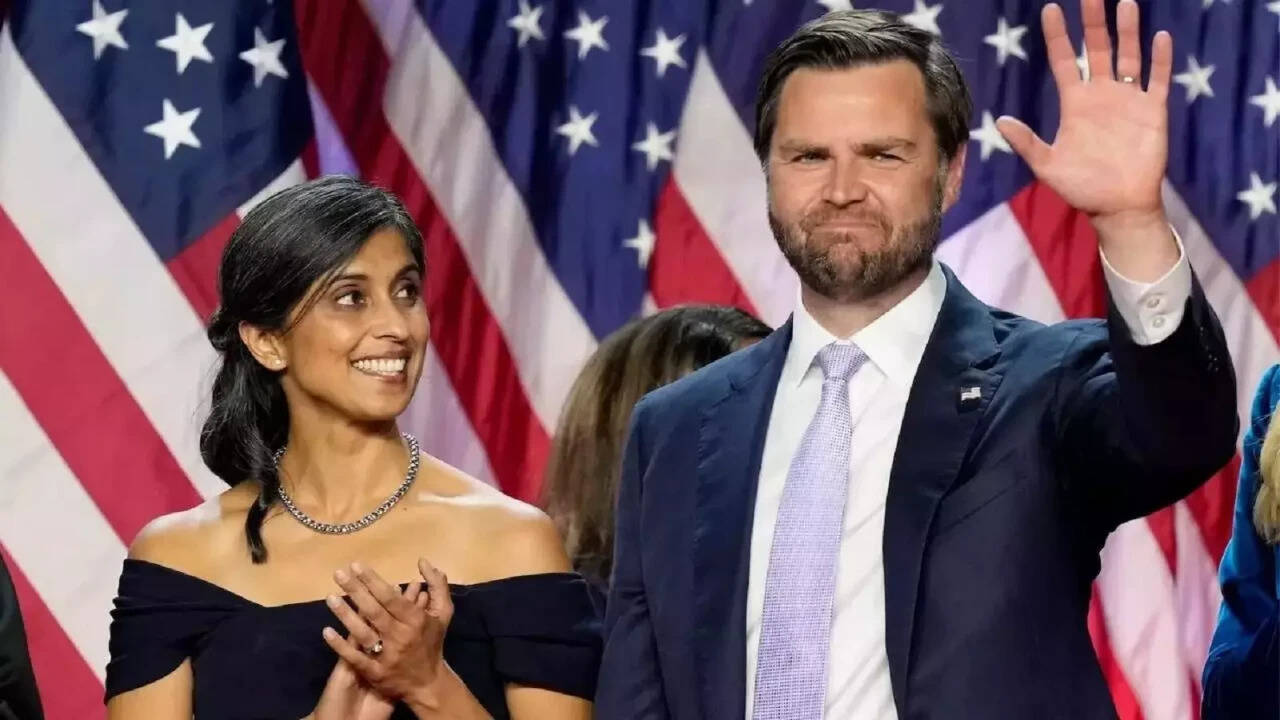
JD Vance doesn’t care about your theoretical rights. He cares about what you actually do. Standing on a tarmac in Budapest, Hungary, the Vice President just gave the world a masterclass in folksy geopolitical dismissal. When asked if the Trump administration would ever let Iran keep enriching uranium for "civilian" use, Vance didn't reach for a policy paper. He reached for a story about his wife, Usha.
"My wife has the right to skydive," Vance told reporters, "but she doesn't jump out of an airplane because she and I have an agreement." Meanwhile, you can find related stories here: The Hollowed Heart of New Glasgow.
It's a punchy, weird, and deeply personal way to talk about nuclear proliferation. The message was clear: Iran can scream about its "inalienable right" to nuclear energy all it wants, but if they want a deal with the United States, they’re staying in the plane.
The Skydiving Metaphor Explained
Vance’s analogy is a direct response to Iranian Parliament Speaker Mohammad Bagher Ghalibaf. The Iranians have been pushing a 10-point proposal for a permanent ceasefire, and point number six is their hill to die on: the right to enrich uranium. From Tehran's perspective, this is a matter of national sovereignty. From the Trump administration's perspective, it’s a non-starter. To explore the complete picture, we recommend the detailed analysis by The Guardian.
The logic Vance is using is purely contractual. You might have a legal right to do something, but you can voluntarily trade that right away for something else—like peace, or a functioning economy.
- The Claim: Iran says international law gives them the right to peaceful nuclear energy.
- The Response: The U.S. says that right is irrelevant if you’ve proven you can’t be trusted with the tech.
- The Compromise: Give up the fuel, stop the enrichment, and maybe the war stops.
Why the Internet is Losing It
Predictably, the "skydiving" remark didn't land well with everyone. Critics on social media immediately pounced, calling the comparison "insulting" and "bizarre." Some argued that comparing a sovereign nation’s energy policy to a husband telling his wife what to do is a bad look. Others pointed out that jumping out of a plane for fun isn't exactly the same as refining 60% pure uranium.
But look past the optics. Vance is signaling a return to a very specific type of diplomacy. It’s "America First" with a domestic twist. He’s speaking to a base that values "common sense" over "state department speak." By using his marriage as a proxy for international relations, he’s simplifying a complex, multi-decade conflict into a kitchen-table negotiation.
The Nuclear Reality Behind the Quip
While Vance is making jokes on a tarmac, the situation on the ground is getting messy. This all comes in the wake of a two-week ceasefire that’s already falling apart. Iran is accusing the U.S. of violating the deal before the ink is even dry. They’re mad about Israeli strikes in Lebanon and U.S. drones in their airspace.
President Trump has been even more blunt than Vance. While he called the Iranian proposal "workable," he followed it up with a hard line: "There will be no enrichment of uranium."
The stakes couldn't be higher. Iran has been enriching uranium to near-weapons-grade levels (90% is the magic number, and they've hit 60%). They’ve also threatened to shut down the Strait of Hormuz again—a move that would send global oil prices into a tailspin.
What This Means for the Islamabad Talks
Vance is scheduled to lead the first formal peace talks in Islamabad, Pakistan, this weekend. If you think the skydiving analogy was just a slip of the tongue, you’re missing the strategy. He’s setting the stage. He’s telling the Iranian negotiators that the U.S. isn't going to get bogged down in "rights" and "legal frameworks."
They want the fuel gone. Period.
The administration is betting that Iran is desperate enough for sanctions relief and a stop to the bombing that they’ll accept the "Usha Vance" treatment. They’ll agree to stay in the plane, even if they think they have the right to jump.
Your Move Iran
If you're following this, don't get distracted by the social media outrage over the analogy. Focus on the "agreement" part of Vance's quote. The U.S. is signaling that everything is on the table, but the "right to enrich" is the one thing they'll never concede.
Keep an eye on the following over the next 48 hours:
- Hormuz Transit: If Iran keeps the strait open, the talks in Islamabad have a chance.
- Lebanon Strikes: If Israel continues hitting Beirut, Iran might walk away from the table before Vance even lands.
- The 10-Point Plan: Watch if the U.S. officially adopts any of the other nine points to "give" Iran a win while holding firm on uranium.
The diplomacy is messy, the analogies are weird, and the world is holding its breath. Vance just told us exactly how he’s going to play it. Now we see if Tehran is actually ready to sign the "agreement."
Don't expect a polite conversation. Expect a business deal where one side has all the leverage—and they aren't afraid to use it. If you want to understand where this is going, stop looking at UN charters and start looking at the "red lines" Trump and Vance have drawn in the sand. They've made it simple: no fuel, no enrichment, no exceptions.