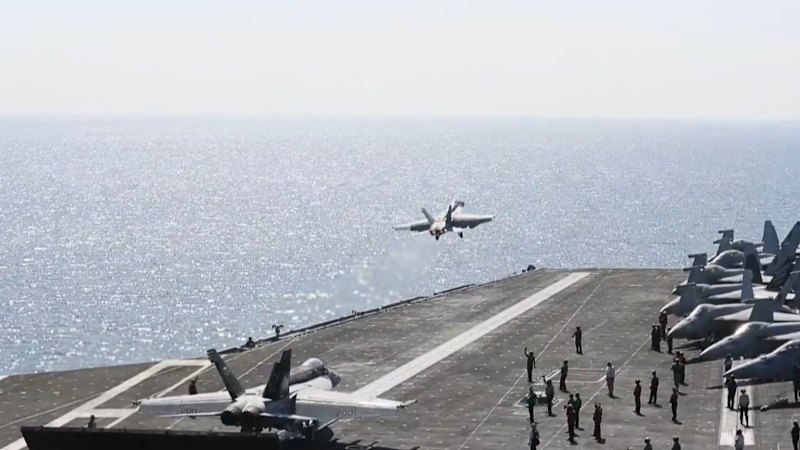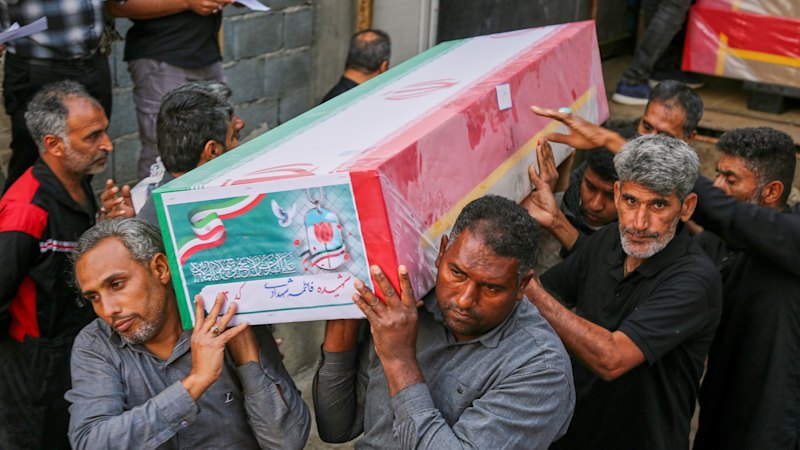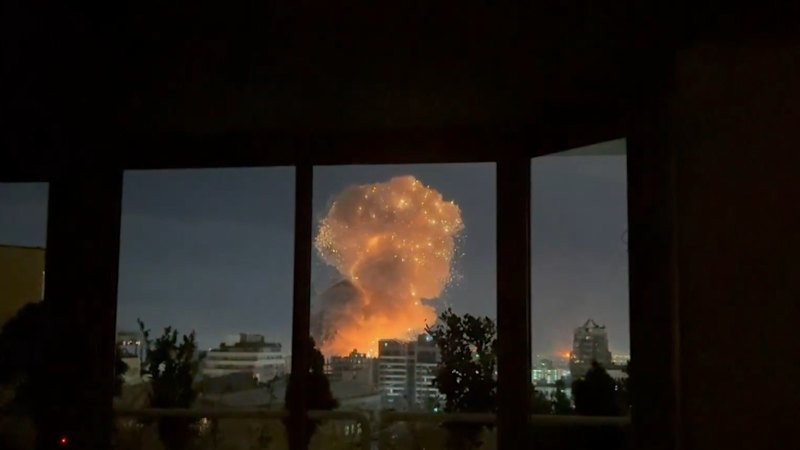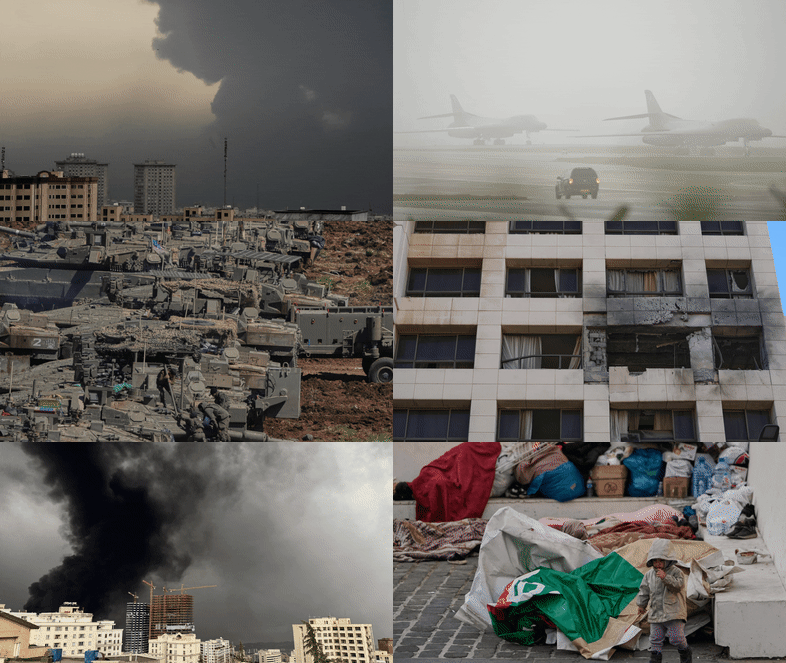
Keir Starmer didn't want this war. He certainly didn't want to be the Prime Minister who gave the Green Light to American bombers. But as the Middle East slides toward a wider conflict in March 2026, the man who once built his reputation on the rule of law finds himself squeezed between a demanding Donald Trump and a cabinet terrified of repeating the greatest foreign policy disaster of the century.
You can see the tension in every statement coming out of Downing Street. On one side, the U.S. and Israel are hitting targets in Iran under the banner of "Epic Fury." On the other, Starmer is desperately trying to thread a needle that might not exist. He's allowing the U.S. to use British bases like RAF Akrotiri and Diego Garcia, but only for "defensive" purposes. It’s a distinction that sounds good in a legal briefing but feels incredibly flimsy when the missiles start flying.
The Iraq Shadow Is Longer Than Ever
When Foreign Secretary Yvette Cooper says the government is "learning the lessons of Iraq," she isn't just reciting a talking point. She’s describing a profound internal trauma that still dictates how Labour handles power. In 2003, Tony Blair followed George W. Bush into a preemptive war based on shaky intelligence and even shakier legal grounding. It broke the party and destroyed public trust in the state.
Starmer knows this better than anyone. He was a human rights lawyer who spent years dissecting the legality of the Iraq invasion. Now, he’s the guy being bullied by a second-term Donald Trump who basically views international law as a suggestion rather than a rule.
The pressure is real. Trump has already called Starmer "not Churchill" and complained that the UK took too long to authorize the use of its bases. In the old days, a British PM would have jumped at the chance to show "moral clarity." But Starmer’s hesitation—what critics like Kemi Badenoch call "weakness"—is actually a symptom of a leader who is terrified of the Chilcot Inquiry 2.0.
The Cabinet Split Nobody Wants to Admit
Behind the scenes, the National Security Council (NSC) has become a battlefield. It’s no secret that Starmer faced a mini-revolt when the U.S. first asked for basing rights. A group of heavy hitters, including Foreign Secretary Yvette Cooper and Deputy PM David Lammy, reportedly pushed back hard.
They weren't just being difficult. They were looking at the legal advice from the Attorney General, Richard Hermer. The ruling was clear: international law doesn't allow for "preemptive" strikes unless there's an imminent threat to Britain itself. Supporting a U.S. decapitation strike on Tehran without a UN mandate would put the UK on the wrong side of the very laws Starmer has spent his life defending.
So, the compromise was reached. The UK would support "defensive" actions—targeting the missile sites Iran uses to attack regional allies like Bahrain and Dubai. It’s a clever legal workaround. By framing the mission as "collective self-defense" of allies who have requested help, the government hopes to avoid the "illegal war" label that dogged Blair for decades.
Why This Isn't Just 2003 All Over Again
While the Iraq parallels are obvious, the 2026 reality is different in a few key ways. For starters, Iran isn't 2003 Iraq. Its drone and missile capabilities are sophisticated enough to shut down global energy markets and strike British personnel directly. When an Iranian missile narrowly missed a British military site in Manama, Bahrain, the "defensive" argument suddenly became much easier to sell to a skeptical public.
There's also the "Trump Factor." In 2003, the U.S. and UK were in lockstep. Today, the relationship is transactional and often hostile. Starmer isn't trying to be Trump’s "poodle"—he’s trying to manage a volatile ally while keeping the British economy from imploding as oil prices spike.
The Real Stakes for the British Public
- Energy Security: Gas prices are already soaring because Qatar has slowed production due to the conflict.
- Military Overstretch: Sending four more Typhoon jets to Qatar sounds small, but it adds to a growing list of global commitments that are draining the defense budget.
- Legal Precedent: If Starmer allows "defensive" strikes to become "offensive" by mission creep, he loses the moral high ground he's used to reset relations with Europe.
The Moral High Ground Is Crumbling
Honestly, the "defensive versus offensive" distinction is starting to look like a joke to the rest of the world. Iran’s deputy foreign minister has already warned that the UK will be treated as an "active participant" in the aggression. To Tehran, it doesn't matter if the missile that hits them came from a British jet or a U.S. jet fueled at a British base.
Even at home, the strategy is satisfying no one. The Right thinks Starmer is a coward who’s letting down our closest ally. The Left thinks he’s being "dragged into another war" by a reckless U.S. president. It’s the classic Starmer problem: by trying to please everyone with "nuance," he risks being seen as having no convictions at all.
What the Foreign Secretary calls "learning lessons" looks to many like paralysis. If you're going to use military force, you usually need to do it with conviction and a clear end goal. Right now, the UK is "free-riding"—providing the infrastructure for a war it claims it isn't actually fighting.
If you're following this crisis, watch the language coming out of the Foreign Office this week. If they stop using the word "defensive" and start talking about "degrading capabilities," you'll know the Iraq lessons have finally been tossed out the window in favor of cold, hard military reality.
Next Step: Check the latest travel advisories for the Gulf region, as repatriation flights from Oman and Saudi Arabia are now the government's top priority for the 140,000 British citizens still in the area.