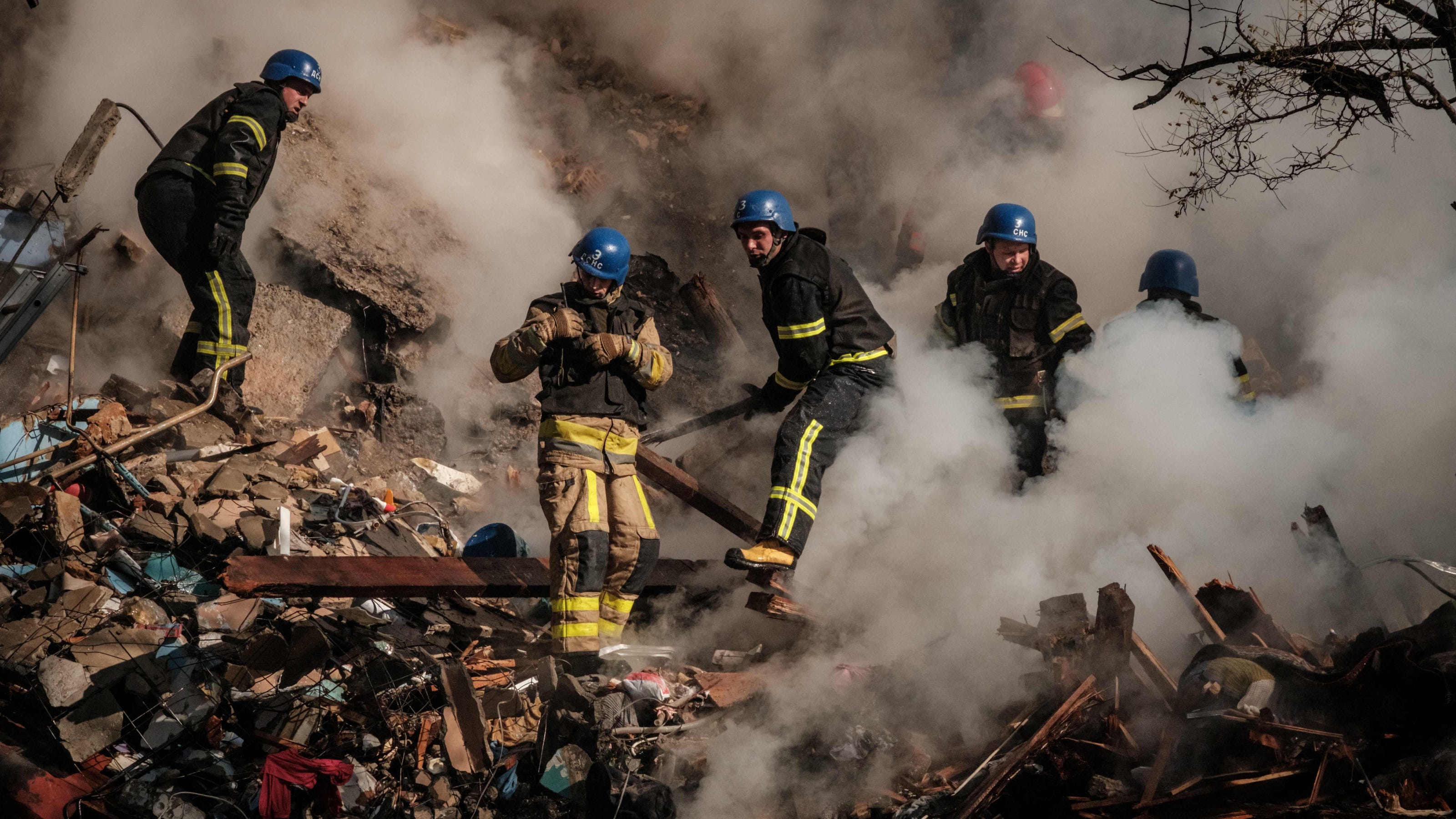
South Korea just faced one of its deadliest industrial disasters in recent memory. A massive fire tore through a car parts manufacturing plant, leaving 14 workers dead and another 60 struggling with injuries. This isn't just a tragic headline. It’s a systemic collapse. When a facility meant to build the components of modern transportation becomes a tomb, we have to stop talking about "accidents" and start talking about negligence.
The blaze broke out during a busy shift. Eyewitnesses describe a scene of pure chaos. Smoke thick enough to blind. Heat that melted machinery in seconds. For the families of those 14 individuals, the "miracle on the Han River" feels like a cruel joke today. Korea is a global powerhouse in automotive tech, yet its floor-level safety protocols often lag decades behind its innovation.
What actually happened inside that factory
The fire started in a section of the plant dedicated to plastic molding and lithium-ion battery components. That’s a lethal combination. If you've ever seen a chemical fire, you know it doesn't behave like a campfire. It's aggressive. It feeds on the very materials meant to make our cars lighter and more efficient.
Reports indicate that the fire spread with terrifying speed. Within ten minutes, the entire second floor was engulfed. Why didn't the sprinklers stop it? Why weren't the emergency exits clear? These are the questions investigators are currently tearing apart. Early signs point to a failure in the automated suppression system. It didn't just fail; it likely wasn't maintained to handle the specific thermal load of high-tech polymer fires.
Most industrial plants rely on standard water-based systems. But in a car parts factory dealing with magnesium, lithium, or specialized plastics, water can actually make things worse. It causes splashes or even hydrogen explosions in specific chemical contexts. If this factory was cutting corners on specialized fire gourds, they weren't just saving money. They were gambling with lives.
The human cost of the automotive supply chain
We often think of car brands as the logos on the steering wheel. We forget the massive web of "Tier 2" and "Tier 3" suppliers that actually do the dirty work. These factories are under immense pressure. They deal with tight margins and "just-in-time" delivery schedules that leave zero room for error.
When a global car brand demands 50,000 units by Friday, safety checks become a secondary thought. I've seen this pattern before. A worker notices a frayed wire or a clogged vent, but they don't report it because stopping the line means losing their bonus or, worse, their job. In this specific Korean plant, many of the victims were reportedly migrant workers. This adds another layer of tragedy. These workers often face language barriers that make safety training less effective.
14 deaths is a staggering number for a single event. To put that in perspective, that’s more than some European countries lose in their entire manufacturing sector over a year. The 60 injured survivors face a long road too. Smoke inhalation causes permanent lung scarring. Flash burns require years of skin grafts. The trauma of being trapped in a metal box while it turns into an oven doesn't just go away with a settlement check.
Why the Serious Accidents Punishment Act didn't prevent this
South Korea introduced the Serious Accidents Punishment Act (SAPA) a few years ago. It was supposed to be the "big stick" that forced CEOs to care. Under this law, business owners can face prison time if a fatal accident occurs due to poor safety management.
So, why are people still dying?
Because many companies have spent more on "compliance lawyers" than on actual safety equipment. They've found ways to outsource the risk. By using subcontractors, the primary company often shields itself from the harshest penalties of the SAPA. It’s a shell game. They move the workers to a different payroll so the liability disappears on paper. But the fire doesn't care whose name is on the paycheck.
The chemistry of a modern industrial disaster
You can't fight a 2026 fire with 1990s logic. Modern car parts are full of synthetic materials that release cyanide gas when they burn. One breath of that and you're unconscious. That's likely why the death toll hit 14 so quickly. People didn't burn to death; they were suffocated by a toxic cocktail before they could even find the door.
We need to look at the storage of raw materials. If you store flammable resins next to electrical panels, you're asking for a disaster. Investigators are looking at the plant layout to see if "zoning" was ignored. Proper industrial design requires hazardous materials to be isolated in fire-rated bunkers. If this factory was a wide-open floor plan to "increase efficiency," that efficiency is exactly what killed those workers.
Moving toward real accountability
If you're a business owner or a manager in any industrial space, this event should be a wake-up call. Don't wait for a government inspector to tell you your fire extinguishers are expired. They aren't the ones who have to live with the guilt.
- Audit your chemical storage today. If you have lithium or magnesium on-site, you need Class D extinguishers and specialized suppression. Water is not a universal solution.
- Fix your exits. It sounds simple, but you'd be shocked how many factories block fire doors with "temporary" pallets of stock. Those pallets are death traps.
- Empower your workers. Give every single person on the floor the "Stop Work Authority." If they see something sketchy, they should be able to kill the power without fear of retaliation.
The Korean government is promising a "thorough investigation," but we've heard that before. Real change only happens when the cost of a death is significantly higher than the cost of a top-tier safety system. Until then, these factories remain ticking time bombs. If you work in manufacturing, go walk your floor right now. Look for the "small" issues you've been ignoring. Those small issues are exactly what led to 14 people never going home.
Check your thermal sensors. Test your alarms. Ensure every worker, regardless of their native language, knows exactly where to run when the lights go out. Stop treating safety as a bureaucratic hurdle and start treating it as the only thing that keeps your business from becoming a crime scene.