The structural integrity of a metropolitan center is not merely a matter of architecture; it is the sum of its functional lifelines. When kinetic military action intersects with a densely populated urban grid like Beirut, the resulting "rubble" is the final stage of a multi-level systemic failure. To understand the current state of the city, one must look past the visual debris and quantify the degradation of the three primary pillars of urban viability: structural stability, physiological endurance, and the breakdown of the distribution of essential resources.
The Kinematics of Structural Failure
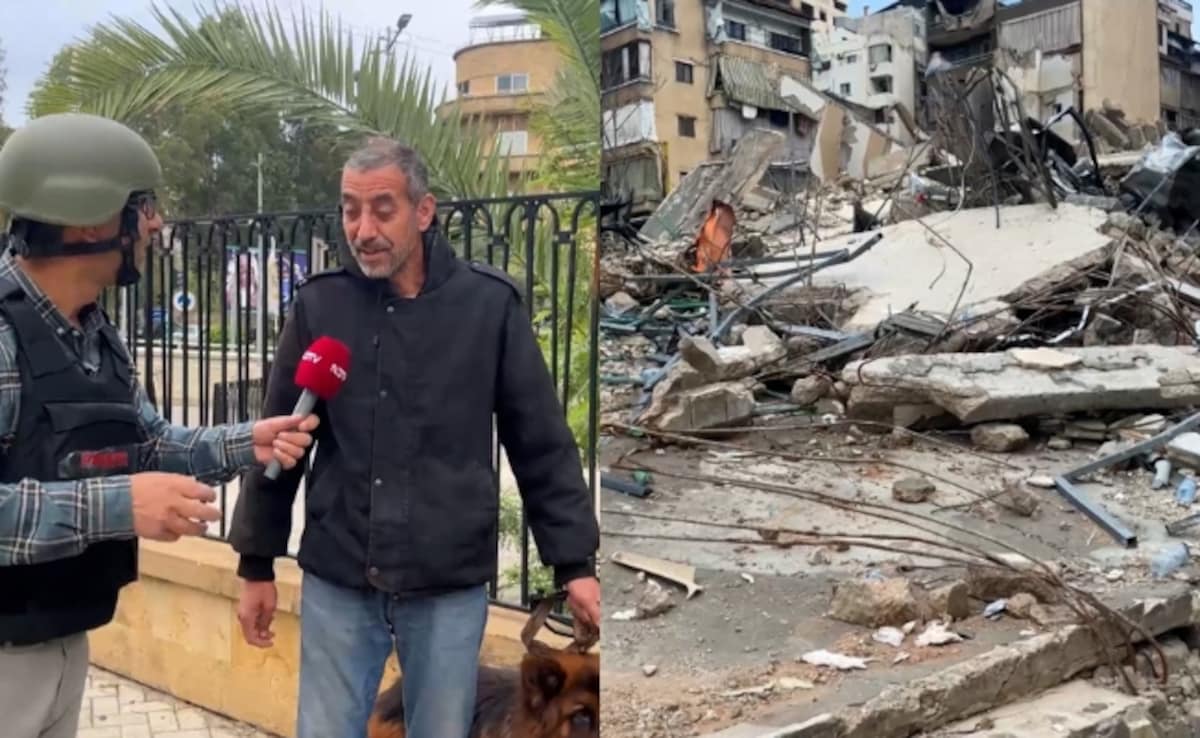
The transition from a standing building to a "reduced to rubble" state follows a specific physical trajectory. In Beirut’s high-density neighborhoods, the primary cause of total collapse is not always the direct point of impact but the transmission of seismic energy through shared foundations and a lack of seismic retrofitting in older concrete frames.
- The Pancake Effect: Most residential structures in affected areas utilize reinforced concrete slabs supported by columns. High-yield explosives trigger a failure in the column-to-slab connection. Once the top floor loses its vertical support, the kinetic energy of the falling mass exceeds the load-bearing capacity of the floor below, creating a cumulative failure that compresses the building's entire volume into a fraction of its height.
- Sub-Surface Destabilization: The craters resulting from heavy munitions do more than destroy the surface; they compromise the soil compaction of adjacent lots. This leads to "latent instability," where buildings that appear intact are technically condemned due to shifted foundations.
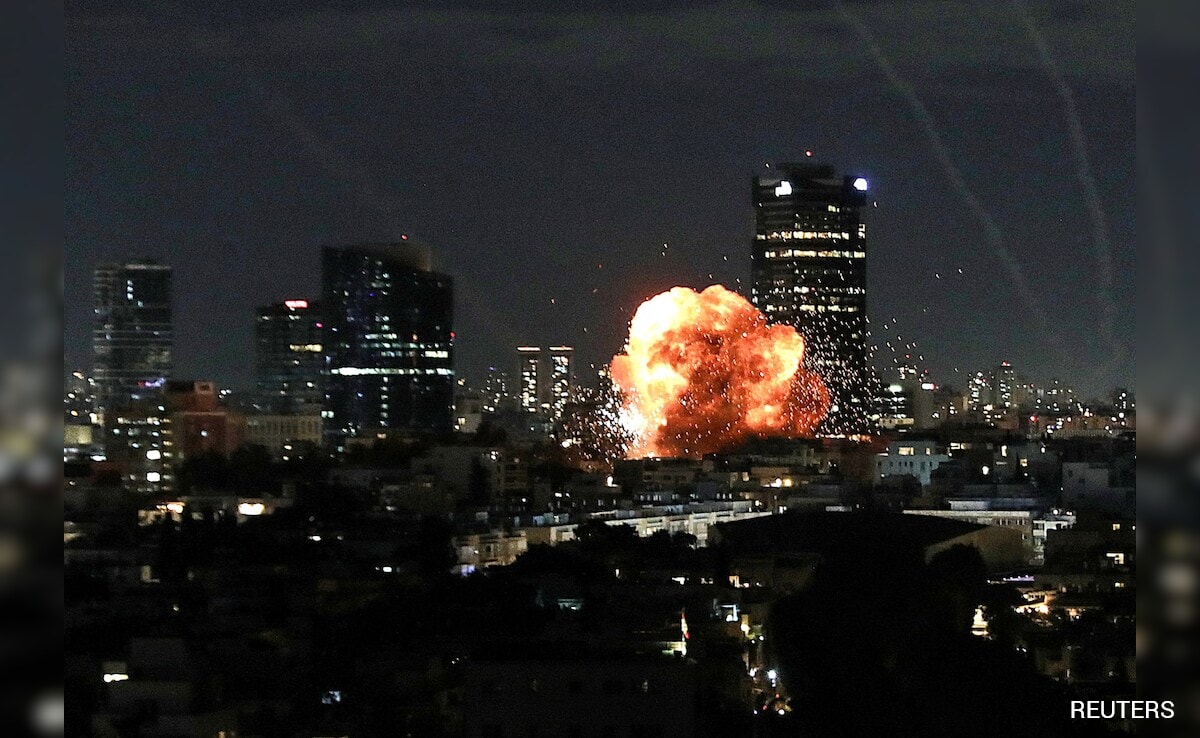
- Fragmentation and Debris Fields: The radius of a blast is categorized by the primary kill zone (thermal and pressure) and the secondary zone (fragmentation). In Beirut, the high concentration of glass and non-structural masonry turns every strike into a secondary shrapnel event, rendering streets impassable and halting the movement of emergency services.
The Cost Function of Sleep Deprivation
Resident reports of "not sleeping for a month" are often dismissed as hyperbolic, but from a physiological and tactical perspective, they represent a critical tipping point in civilian resilience. Sleep is a biological requirement for cognitive processing and risk assessment. Its systematic removal creates a state of "distributed trauma."
The mechanism of this deprivation is rooted in Intermittent Acoustic Stress. The frequency of overflights, sonic booms, and active strikes prevents the brain from entering REM cycles. The physiological cost includes:
- Elevated Cortisol Baselines: Constant "fight or flight" activation leads to adrenal exhaustion.
- Cognitive Narrowing: Sleep-deprived individuals lose the ability to perform complex navigation or evaluate the safety of various routes, increasing the likelihood of casualties during evacuation.
- Micro-Sleep and Error: In a high-risk environment, the inability to remain alert leads to accidents in domestic settings (fires, falls) that further strain limited medical resources.
This is not a byproduct of conflict; it is a force multiplier that degrades the population's ability to respond to changing safety protocols.
The Logistics of Displacement and Thresholds of Capacity
Displacement is a fluid dynamic governed by the availability of "safe nodes." In Beirut, the movement of people from the southern suburbs to the city center and northward has reached a saturation point.
The primary bottleneck is the Caloric and Hydration Minimum. When a city’s population shifts suddenly, the localized demand for potable water and food exceeds the surge capacity of local markets. This creates a "shadow economy" where prices for basic goods fluctuate based on the proximity of the last strike.
The second limitation is the Sanitation Ceiling. Public spaces, schools, and parks converted into shelters lack the plumbing infrastructure to handle a 10x increase in usage. This introduces the risk of waterborne pathogens, which, in a high-density environment, can cause more long-term damage to the city's viability than the kinetic strikes themselves.
Infrastructure Decoupling and the Grid Failure
The "rubble" mentioned in reports is often the least significant part of the damage. The real collapse occurs in the invisible networks.
Power Grid Fragmentation: Lebanon’s electricity sector was already fragile. Kinetic strikes on distribution nodes do not just dark a block; they de-synchronize segments of the grid. This forces a reliance on private diesel generators.
The Diesel Dependency Trap: As the grid fails, the demand for fuel spikes. If supply lines (ports and roads) are compromised, the cost of power becomes prohibitive. This directly impacts hospitals, which require consistent power for life-support systems, and telecommunications, which are necessary for early warning systems.
Tactical Evaluation of the Current Trajectory
The current situation in Beirut suggests a transition from targeted kinetic operations to a state of Atmospheric Siege. While the physical borders may remain open, the internal systems of the city—transportation, power, and psychological stability—are being systematically throttled.
The primary risk moving forward is the Irreversibility of Damage. Once the civil defense and municipal maintenance teams are unable to clear debris or repair lines due to active threats, the city enters a feedback loop of decay. Each unaddressed strike site becomes a breeding ground for secondary hazards, and each night of lost sleep further erodes the social fabric required for post-conflict recovery.
Strategic intervention must prioritize the restoration of "Predictability Units." This means establishing safe corridors for fuel and medical supplies that are independent of the shifting tactical landscape. Without a predictable flow of basic resources, the urban center ceases to function as a shelter and becomes a geographic trap.
The next critical phase will be the management of the Accumulated Debris Mass. Clearing the thousands of tons of concrete and twisted metal is not merely a cleanup task; it is a prerequisite for restoring the subterranean lifelines (water and sewage) that prevent a mass health crisis. If the debris is not cleared within a specific window—before the onset of seasonal rains—the runoff will carry toxins and waste into the remaining clean water sources, fundamentally altering the city's recovery timeline from months to decades.
The strategic priority is the immediate stabilization of the generator fuel supply chain and the establishment of localized "silent zones" to mitigate the physiological collapse of the civilian population. Failure to address the acoustic and psychological components of this conflict will result in a population that is physically present but functionally incapable of participating in any eventual reconstruction efforts.