The silence of a cargo terminal at 3:00 AM is deceptive. It feels like a void, a place where time stalls, but if you stand near the tarmac at Kochi International Airport, the air vibrates with a frantic, hidden energy. This is where the abstract concept of a "global supply chain" stops being a line on a spreadsheet and starts smelling like damp earth and ripening mangoes.
Think about a kitchen in Dubai. It is Tuesday night. A mother is reaching for a bunch of coriander to finish a meal that tastes like the home she left ten years ago. She doesn't think about the logistics. She shouldn't have to. But that small, green herb is a miracle of timing. If it sits on a hot tarmac for three hours too long, it’s compost. If the plane doesn't fly, the shelf stays empty.
When the world’s gears began to grind and seize under the weight of global disruptions, those shelves didn't just represent inventory. They represented stability. This is the story of how 80,000 kilograms of perishable hope moved across an ocean because the alternative—an empty aisle—was unthinkable.
The Weight of an Empty Shelf
An empty supermarket shelf is a quiet catastrophe. For a retail giant like LuLu Group, a gap in the produce section isn't just a lost sale; it is a broken contract with the community. In the Gulf, where the desert sun makes large-scale local agriculture a heroic challenge, the food on the table is almost always a traveler.
The math is brutal.
Eighty tonnes. That is eighty thousand kilograms of ginger, beans, carrots, and bananas. Picture a standard sedan. Now imagine sixty of them. That is the physical mass that had to be plucked from Indian soil, washed, packed, cooled, and hurled into the sky.
But the "how" is less interesting than the "why."
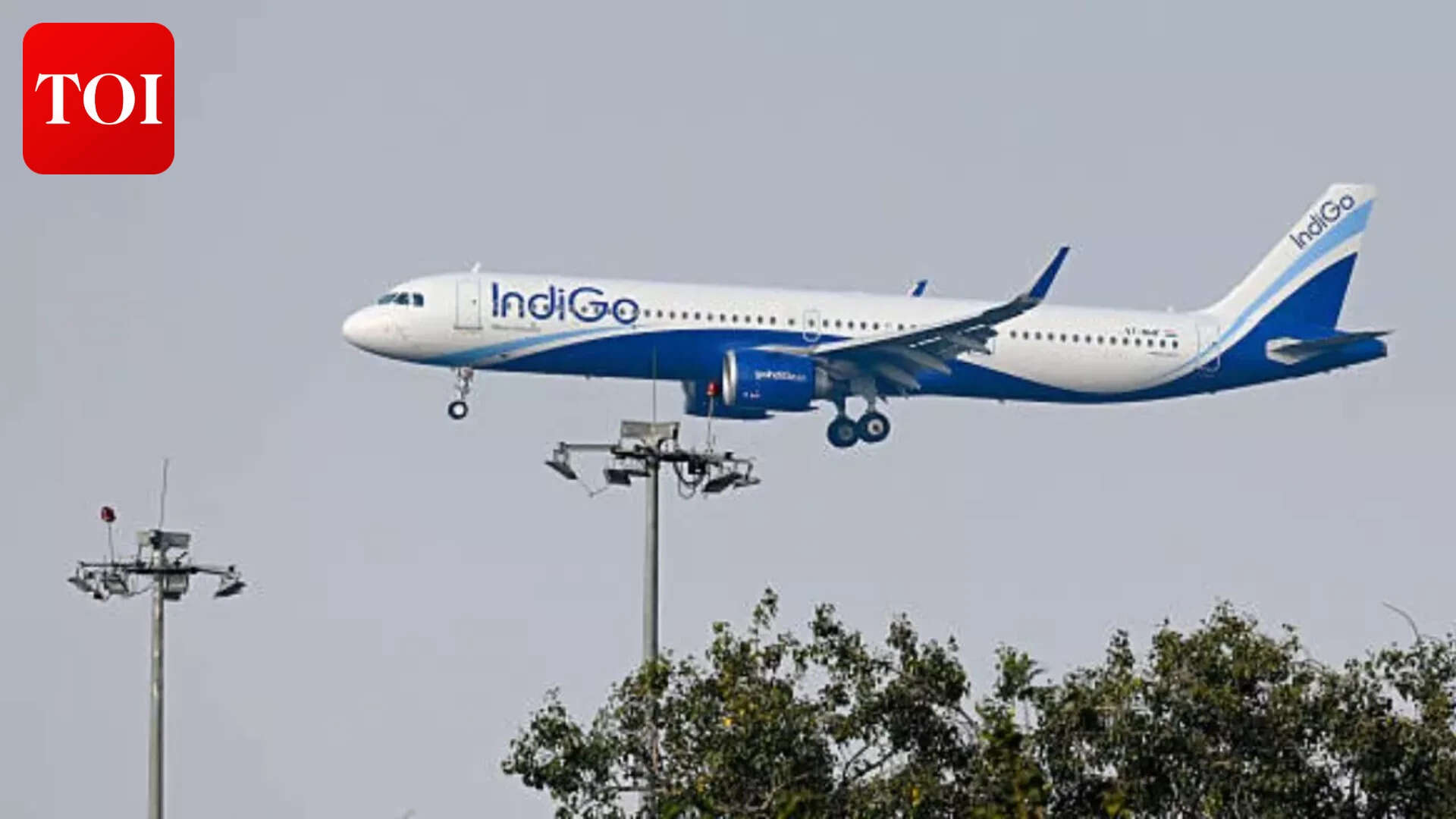
We often view big corporations as cold machines, but machines don't feel the pressure of a looming food shortage. People do. The decision to charter a massive Boeing 777 freighter isn't a cost-saving measure. It’s actually quite the opposite. It’s an expensive, high-stakes gamble against the clock. When sea freight slows to a crawl and containers are stuck in maritime traffic jams, the only way out is up.
The Invisible Farmers of Kerala
To understand the scale, we have to go back to the mud.
Imagine a farmer named Rajesh in the heart of Kerala. He wakes up before the sun, his shins stained with the red earth of the Western Ghats. For him, the news of a chartered flight in Kochi is a lifeline. Without that plane, his harvest has nowhere to go. It would rot in the tropical heat, a season’s worth of sweat evaporating into nothing.
The 80,000kg haul isn't just a corporate statistic; it’s the collective output of hundreds of families. When LuLu Group airlifts this produce, they are effectively bridging two worlds. They are connecting Rajesh’s harvest to that Tuesday night dinner in Dubai.
The logistics are a choreographed dance of temperature control.
- The Harvest: Picked at the precise moment of maturity.
- The Cold Chain: Immediate transport to temperature-controlled hubs.
- The Manifest: Sorting 80 tonnes of variety into a puzzle that fits a cargo hold.
- The Flight: Four hours of pressurized transit where every degree matters.
If the cooling system on a truck fails for even sixty minutes, the "shelf life" of a banana drops by days. This is a race where the finish line is a customer’s shopping basket, and the stakes are the literal hunger of a population.
The Logistics of a Promise
Why go to such lengths?
Conventional business wisdom suggests that if a product is too hard to get, you simply wait. You let the shelf stay empty. You blame the "unforeseen circumstances" and the "global climate."
But there is a specific kind of pride in the retail world that refuses to use those excuses. For Yusuff Ali MA and his team, the airlift was a statement. It was a signal to the millions of expatriates and locals in the UAE: We will find a way. Chartering a dedicated freighter is a logistical nightmare. You aren't just buying a ticket; you are renting the entire bus and the driver, and you’re responsible for every inch of the interior. You have to navigate export permits, customs clearances in two different countries, and the physical limitations of the aircraft.
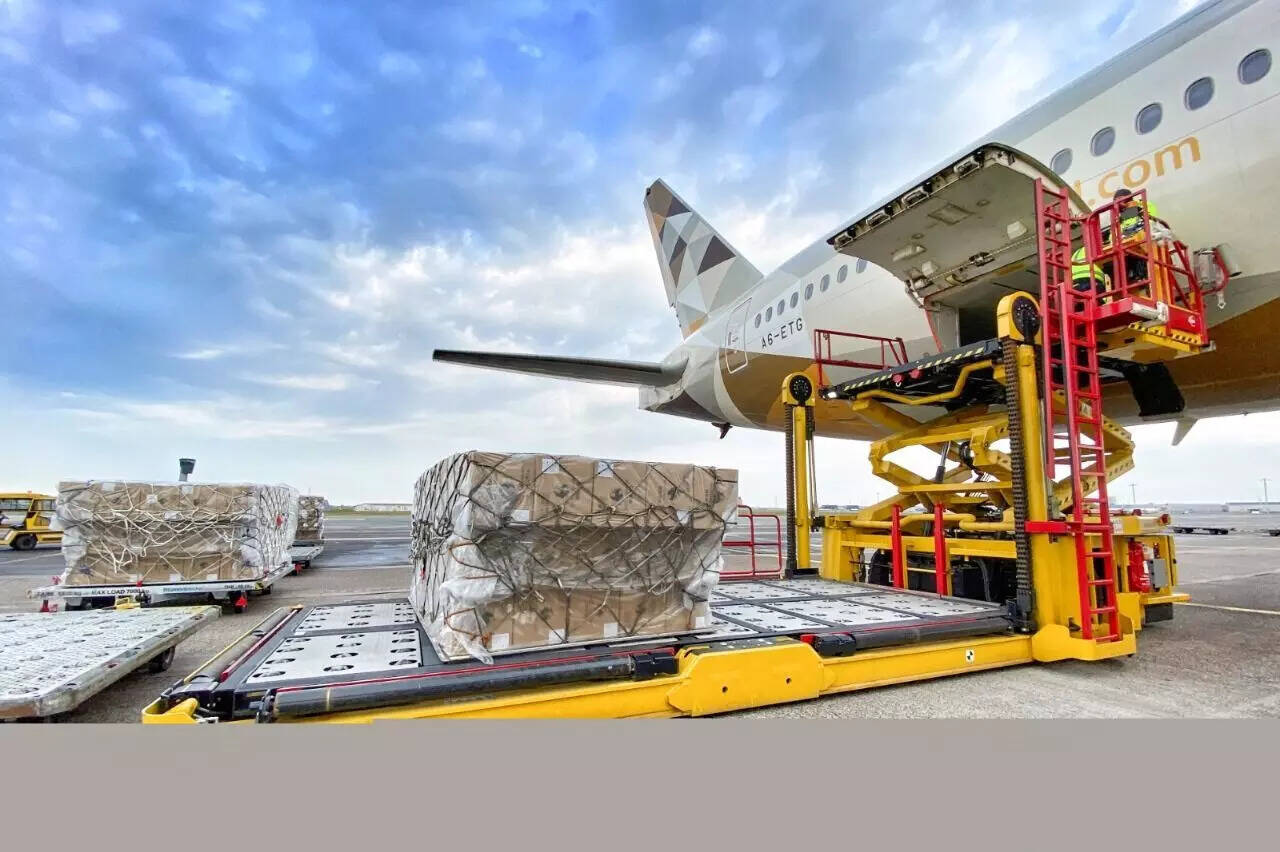
A Boeing 777 freighter is a cavernous beast. Loading it requires precision. If the weight isn't distributed perfectly, the plane can't fly safely. Each pallet of ginger must be weighed, logged, and secured. It is a blue-collar ballet performed under the harsh glare of LED floodlights.
The Psychology of Abundance
There is a deep, psychological comfort in seeing a fully stocked grocery store. It suggests that the world is functioning. It suggests that even if there is chaos elsewhere, here, in this aisle, there is order.
When those 80,000 kilograms arrived at Al Maktoum International Airport, they were immediately dispersed into a fleet of refrigerated trucks. Within hours, they were being unboxed in stores across the Emirates.
Consider the contrast.
On one side of the ocean, the frantic noise of the loading docks. On the other, the quiet hum of a supermarket air conditioner. A shopper walks in, picks up a bag of bird’s eye chilies, and tosses them into her cart. She doesn't see the Boeing 777. She doesn't see the midnight harvest in Kerala. She doesn't see the frantic coordination between logistics managers in two time zones.
She just sees the chilies.
That invisibility is the ultimate success of the operation. The more seamless the experience for the consumer, the more complex the work was behind the scenes.
Beyond the Bottom Line
Critics might argue that this is just business, a way to maintain market share. And they wouldn't be entirely wrong. But business at this scale becomes something more. It becomes a form of diplomacy.
India and the UAE have a relationship built on spice and oil, on history and labor. This airlift was a physical manifestation of that bond. It was a reminder that when the world gets complicated, the most basic needs—food, security, the taste of home—must be defended with everything we have.
The cost of the flight likely ate into the profit margins of those vegetables. In fact, after fuel, handling fees, and landing rights, the math might barely break even. But the value of trust is harder to calculate. You cannot put a price on the moment a customer realizes that even when the world is in a tailspin, their favorite store still has what they need.
The Quiet After the Storm
By the time the sun rises over the UAE, the plane is likely already empty, prepped for its next leg. The 80 tonnes have vanished into the belly of the city.
We live in an age of digital shadows, where we buy things with a tap and expect them to appear like magic. But magic is just a word we use for labor we don't see. The 80,000kg airlift was not a miracle. It was a choice. It was the choice to refuse the "empty shelf" narrative and instead, bet on the sky.
Next time you walk through those sliding glass doors and see the vibrant greens and deep purples of a fully stocked produce section, look closer. Look past the price tags and the plastic wrap.
There is a ghost of a jet engine in those aisles. There is the scent of a Kerala morning lingering on the skin of a mango. There is the weight of eighty thousand kilograms, carried across the clouds, just so you wouldn't have to wonder if there would be enough.
The shelves are full. The promise is kept. The world, for one more day, remains in balance.