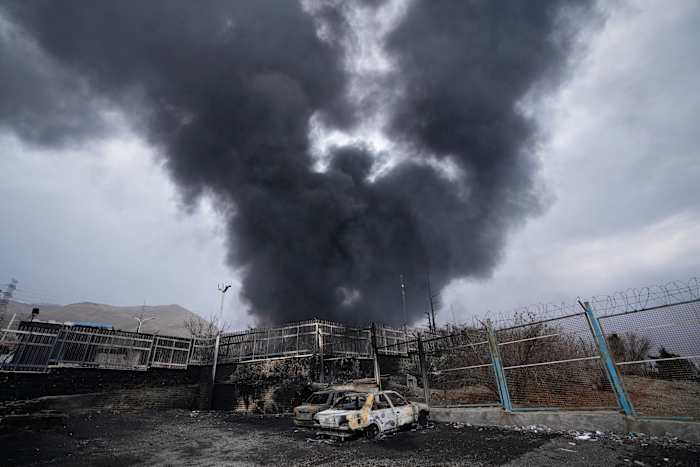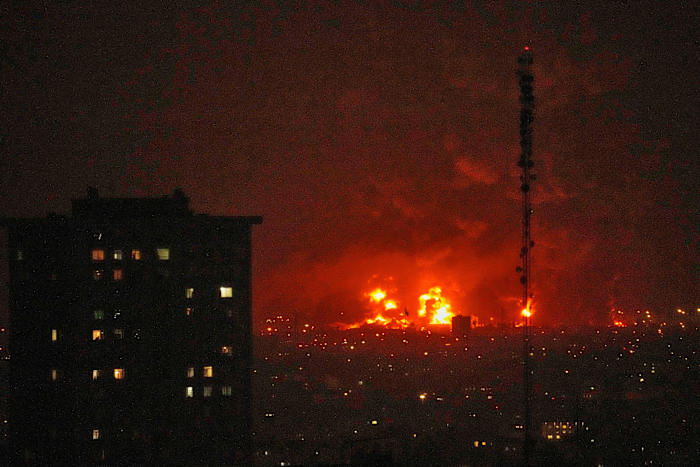
The era of the $70 barrel is dead, buried under the rubble of a Tehran compound. As of this morning, global oil markets have transitioned from a state of nervous speculation to one of structural emergency. With Brent crude breaching the $115 mark and showing no signs of retreating, the world is facing more than just a temporary supply shock. We are witnessing the birth of a dynastic militocracy in Iran that has every incentive to keep the world’s energy arteries bleeding.
The appointment of Mojtaba Khamenei as Supreme Leader—a move confirmed by the Assembly of Experts following the February 28 strike that killed his father—is not a mere transition. It is a hostile takeover by the hardline clerical establishment and the Islamic Revolutionary Guard Corps (IRGC). For decades, the younger Khamenei operated in the shadows, managing the family’s vast financial interests and cultivating a brutal reputation within the security apparatus. Now, with a personal vendetta fueled by the loss of his father, wife, and child in the opening salvos of this conflict, he has taken the throne.
For the global economy, this is the worst possible outcome.
The Myth of the Quick War
The market initially bet on a short, sharp decapitation of the Iranian leadership. Traders expected that the removal of the old guard would lead to a rapid collapse of the regime or a desperate plea for a ceasefire. They were wrong. Instead, the strikes provided the IRGC with the perfect pretext to bypass the remaining pragmatic voices in the government and install a leader who is essentially their creature.
Unlike his father, who spent years balancing competing factions of "reformists" and "conservatives," Mojtaba starts his reign with a cleared deck. The reformist movement has been effectively liquidated by the state of war. This internal consolidation means that Tehran’s response to external pressure will no longer be tempered by domestic political survival. For the new Supreme Leader, survival is now synonymous with total escalation.
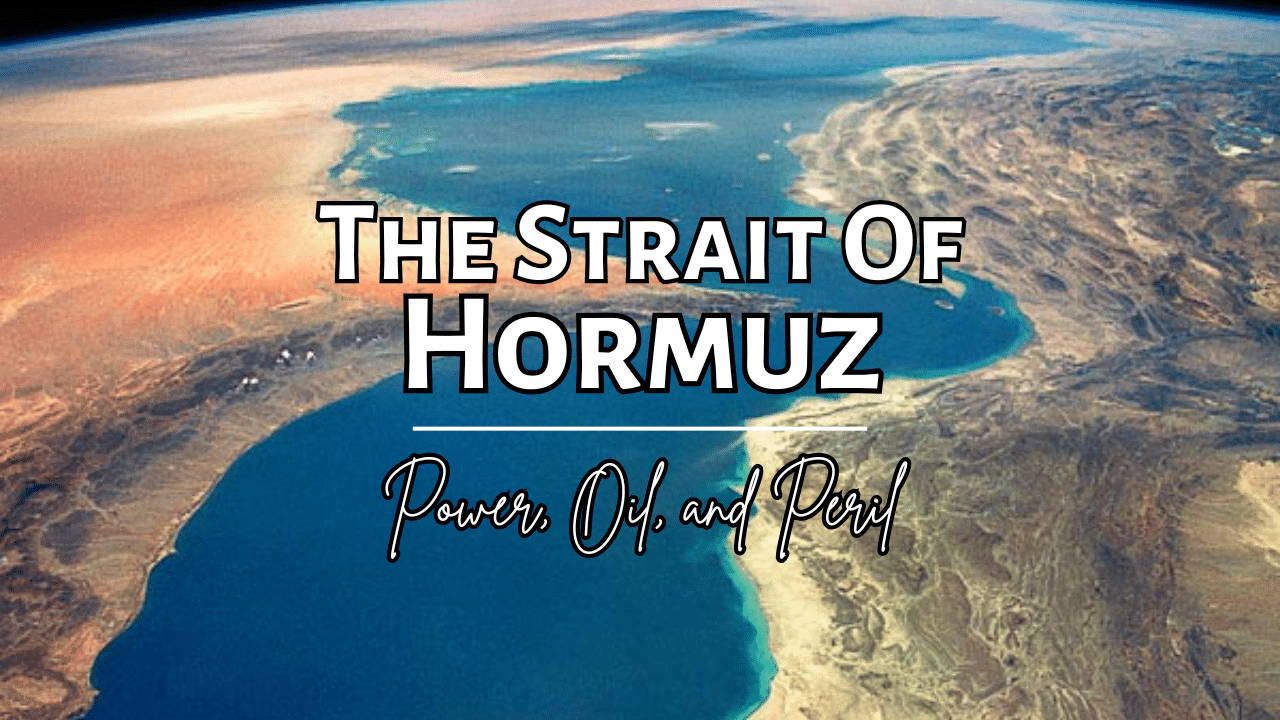
The immediate casualty is the Strait of Hormuz. While the waterway is technically "open," insurance premiums for tankers have reached levels that make transit impossible for all but the most desperate operators. Iran’s strategy is no longer about seizing ships; it is about creating a "no-go zone" via sustained drone and missile harassment. By making the world’s most vital energy choke point uninsurable, they have effectively removed 15 million barrels of oil per day from the reliable global supply.
Why Production Cuts Are Hitting Different This Time
In previous Middle Eastern crises, the primary fear was a lack of oil. Today, the problem is a lack of place to put it. We are seeing a paradoxical "glut-lock" in the Persian Gulf.
- Iraq and Kuwait have been forced to slash production by nearly 1.8 million barrels per day combined.
- The reason? Their storage facilities are at maximum capacity because they cannot get the product through the Strait.
- Once a well is capped, it is not always a simple matter of "turning it back on." The mechanical and geological integrity of these fields can be compromised by sudden, unplanned shutdowns.
This is why the current price spike is different from the 2022 Russia-Ukraine shock. During that conflict, the oil still moved, albeit through different channels. Today, the oil is physically trapped. The G7's talk of releasing strategic reserves is a psychological sedative, not a cure. The United States and its allies cannot pipe enough reserve oil into the global market to compensate for the total loss of the Gulf’s maritime exports.
The Trump Factor and the Legitimacy Gap
The geopolitical math is further complicated by the stance of the White House. President Trump’s blunt refusal to recognize Mojtaba Khamenei’s legitimacy has backed the new leader into a corner. In the rigid hierarchy of the Islamic Republic, a leader who appears to seek Western approval is a leader who invites a coup.
By declaring that Washington "must have a say" in the selection, the U.S. administration inadvertently ensured that any potential for back-channel diplomacy was incinerated. To maintain his grip on the IRGC, Mojtaba must be more defiant than his father ever was. We are no longer in a theater of diplomacy; we are in a theater of pure survival.
The Looming $150 Threshold
Energy analysts who previously warned of $100 oil are now revising their models toward $150. This isn't alarmism; it's math. China, the primary destination for Iranian "ghost" crude, is now forced to compete for Atlantic Basin barrels. This creates a massive bidding war that drains supply from Europe and the Americas.
If the IRGC follows through on its threat to target the Abqaiq processing facility in Saudi Arabia or the North Field gas infrastructure in Qatar, $115 will look like a bargain. The regime knows that its only leverage against a superior military force is the total destruction of the global economic order.
A Broken Feedback Loop
The traditional mechanisms that stabilize oil markets have failed. Normally, high prices lead to increased production elsewhere. However, the American shale sector is already operating at near-peak efficiency, and the "green transition" has starved long-cycle oil projects of capital for nearly a decade. There is no cavalry coming.
The world is currently running on a 50-to-70-day buffer of stored petroleum. If the Strait remains a kinetic combat zone through the spring, the depletion of these stocks will trigger a global inflationary spiral that makes the post-pandemic era look like a period of price stability.
We are not just looking at a spike in the cost of a gallon of gas. We are looking at the potential for a systemic breakdown in the petrochemical supply chain, affecting everything from fertilizer to medical plastics. The "Iranian succession" is not a local political story; it is the moment the global energy safety net finally snapped.
The new Supreme Leader is 56 years old. He has the backing of the military, a deep-seated grievance, and a world economy that is fundamentally addicted to the one thing he controls the valve on. The market hasn't fully priced in the reality that Mojtaba Khamenei may find more value in a global depression than in a peaceful resolution.