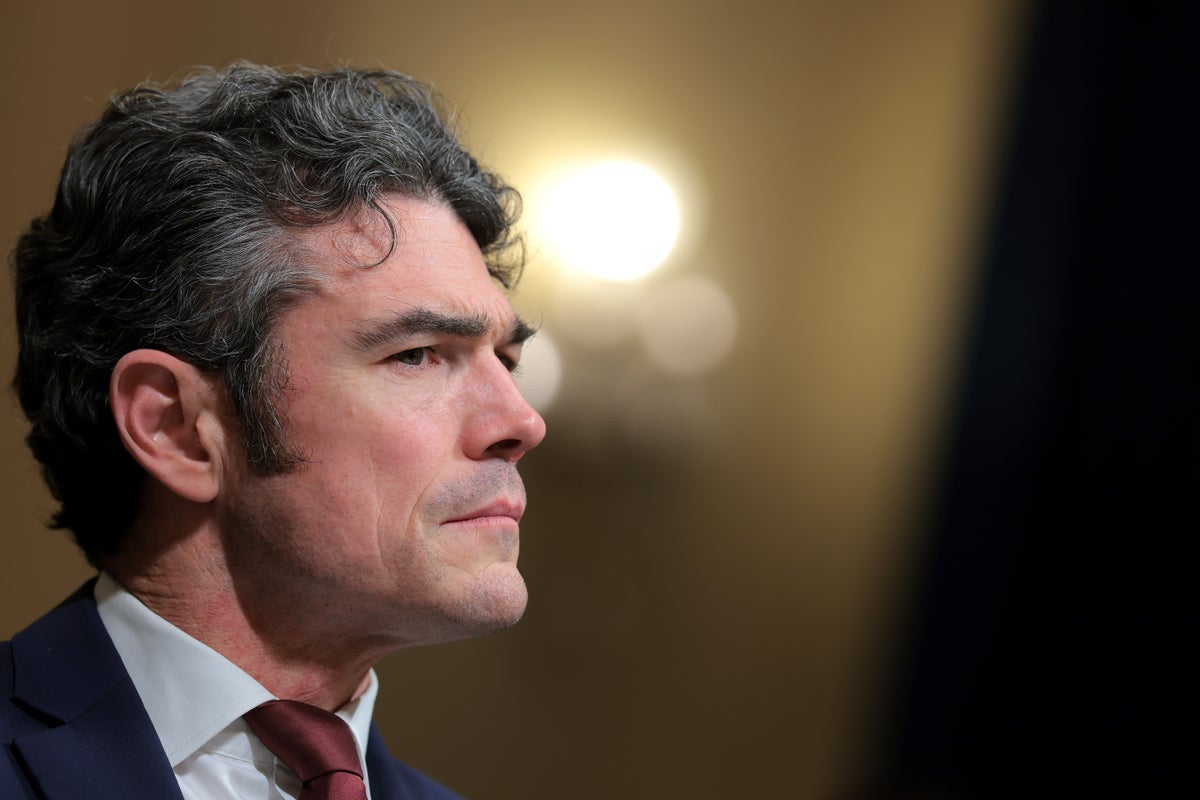
The media is currently obsessing over the optics of Joe Kent’s interview with Megyn Kelly. They are dissecting his tone, his defensive posture, and the specific "I did nothing wrong" mantra that defines the modern political damage-control circuit. They are missing the point. While pundits bicker over whether a former counterterrorism official leaked classified data or merely became a victim of a weaponized FBI, they are falling for the oldest trick in the beltway playbook: focusing on the player instead of the game.
The real story isn't whether Kent is guilty. The real story is that the "leak" is the primary currency of power in D.C., and we are watching a selective enforcement action masquerading as a quest for justice.
The Myth of the Sacred Secret
Every analyst on cable news treats "classified information" as if it’s a holy relic. It isn't. Having spent years watching how the sausage is made in high-stakes environments, I can tell you that over-classification is the federal government’s favorite rug. They sweep everything under it. According to the Public Interest Declassification Board, the U.S. government generates billions of pages of classified records every year.
Most of it isn't "sources and methods." It’s administrative trivia, embarrassing internal squabbles, or data that would be public knowledge if the government weren't addicted to the leverage of secrecy.
When the FBI launches a probe into a figure like Kent, the public assumes a "breach" occurred. In reality, a "leak" is often just a disclosure that wasn't authorized by the right person at the right time. If a sitting President mentions a classified satellite capability to a foreign dignitary, it’s "declassification." If a political rival mentions a well-known tactical failure, it’s a "felony."
The outrage over the Kent probe ignores this fundamental asymmetry. We are being asked to care about the sanctity of a system that is designed to be porous when it benefits the establishment and airtight when it targets an outsider.
The Megyn Kelly Interview Was Not a Defense—It Was a Stress Test
The standard critique of Kent’s appearance is that he’s "hitting back." That is a lazy interpretation. From an insider perspective, that interview was a strategic deployment of narrative counter-pressure.
In high-level intelligence circles, when you are under the microscope, silence is interpreted as a confession by the public and a weakness by your enemies. By going on a high-profile platform, Kent wasn't just saying he was innocent; he was signaling to the Department of Justice that he is willing to turn his case into a public trial of the FBI’s own credibility.
People ask: "Why would someone under investigation talk to the press?" They ask the wrong question. The right question is: "What does the FBI fear more than a leak?" The answer is a defendant with a microphone and a base of support that views the agency as a political hit squad.
Selective Enforcement is the New Censorship
The "lazy consensus" suggests that the law is a blind arbiter. If you break the rules of handling NDI (National Defense Information), you pay the price.
Compare the energy directed at Kent to the treatment of high-ranking officials who "accidentally" leave binders in unsecure garages or use private servers for top-secret comms. The disparity isn't a glitch; it’s the feature.
- The Insider Pass: If you are part of the permanent bureaucracy, a leak is a "lapse in judgment."
- The Outsider Tax: If you challenge the consensus of the intelligence community, a leak is "espionage."
Kent’s background in counterterrorism makes him a uniquely dangerous target for the establishment because he knows exactly where the bodies are buried. He isn't some naive staffer who forgot to lock a safe. He understands the mechanics of how the "Deep State"—a term once used by academics to describe Turkey’s shadow government but now a reality of American life—operates.
By framing this as a criminal probe, the state effectively muzzles his ability to critique foreign policy. Every time he opens his mouth to talk about failed interventions or intelligence overreach, the DOJ can tighten the leash by leaking more details about their "ongoing investigation." It is a feedback loop of intimidation.
The FBI’s Credibility Debt
We have to stop treating FBI probes as objective truth-seeking missions. After the fallout of the Crossfire Hurricane era and the myriad of botched FISA applications, the Bureau is operating at a massive credibility deficit.
I’ve seen organizations—both in the private sector and in government—use "internal audits" as a way to purge dissidents. The FBI is no different. When they target a former operator who has transitioned into the political sphere, they aren't protecting secrets; they are protecting their monopoly on the narrative.
If the FBI truly cared about leaks, half of the D.C. press corps would be in orange jumpsuits. Every "senior official speaking on condition of anonymity" to the New York Times or the Washington Post is committing a technical violation of their security agreement. But those leaks serve the institution. Kent’s alleged actions do not. That is the only distinction that matters.
Stop Asking if He Did It
The public is obsessed with the "Did he or didn't he?" binary. This is a distraction.
Imagine a scenario where a whistleblower reveals that a company is dumping toxic waste into a local river. The company doesn't deny the dumping; they sue the whistleblower for violating a Non-Disclosure Agreement. The media then spends six months debating whether the NDA was valid, while the fish continue to die.
That is the Kent situation in a nutshell. Whether or not he shared information is secondary to the content of the information and the intent of the probe. If the information revealed government incompetence or illegal surveillance, the "leak" is a public service. If the probe is intended to bankrupt a political opponent through legal fees, the probe is the crime.
The Business of Targeted Investigations
There is a financial and professional ecosystem built around these probes. Law firms, "national security experts" on cable news, and career bureaucrats all thrive on the theater of the investigation.
- The Cost of Defense: Defending against a federal probe can cost upwards of $500,000 before you even see a courtroom. For most, this is a "soft" execution. You don't go to jail, but your life is destroyed.
- The Media Cycle: Outlets get to run "Breaking News" banners for months based on vague tips from "sources familiar with the matter."
This isn't about the law. It’s about the process being the punishment.
Why You Should Be Skeptical of "I Did Nothing Wrong"
While I’m dismantling the FBI’s premise, let’s be equally brutal about the defense. When a politician says "I did nothing wrong," they are rarely speaking about the law. They are speaking about their own moral justification.
In Kent’s mind, and the minds of many in the special operations community, the "rules" of the swamp are illegitimate. They view the bureaucracy as a corrupt entity that has betrayed the American soldier. In that worldview, bypassing a classification rule to speak the truth isn't "wrong"—it's a duty.
But don't mistake that for a legal defense. The U.S. government doesn't care about your moral compass. They care about their paperwork. Kent is playing a dangerous game by trying to win in the court of public opinion while the DOJ plays in a court where the rules are stacked in their favor.
The Counter-Intuitive Truth
The most uncomfortable reality here is that we need more leaks, not fewer.
The security state has grown so bloated and so insulated from oversight that the only way the American public ever finds out about what is being done in their name is through the "unauthorized" release of information.
The "leak probe" into Joe Kent is a signal to every other former official: Keep your mouth shut, or we will find a document you touched and turn it into a noose.
We are watching the weaponization of bureaucracy to enforce a code of silence. If you think this is about "national security," you’re the mark. This is about power, pure and simple.
The FBI isn't trying to find a leaker. They are trying to manufacture a martyr or a convict. Either way, the truth is the first casualty.
Stop looking at the documents. Start looking at the people who are desperate to keep them hidden.

.jpeg?width=1200&auto=webp&trim=31%2C0%2C368%2C0)

