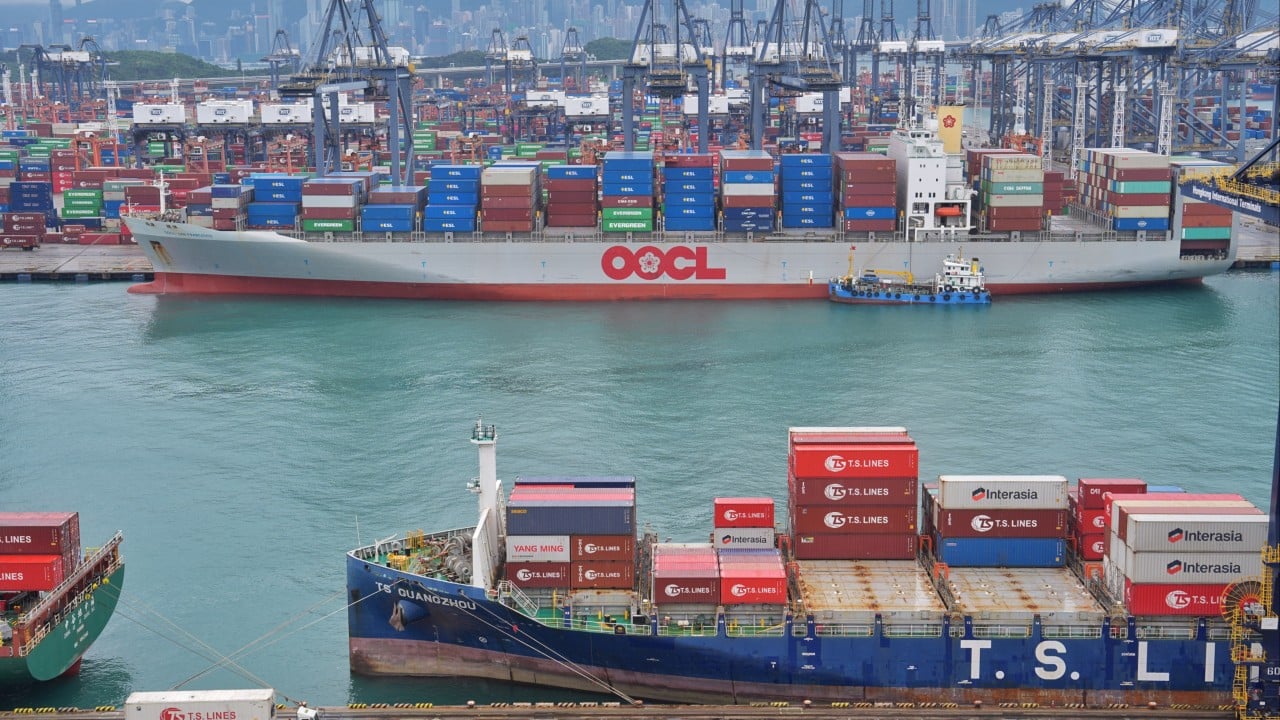
You’re going to pay more for basically everything sitting in a shipping container right now. The math is simple and brutal. Major ocean carriers are slamming the brakes on Middle East bookings while simultaneously piling on new risk surcharges. It’s a double whammy for global supply chains that were just starting to feel normal again. If you thought the era of "supply chain disruptions" was in the rearview mirror, think again.
The immediate impact is a projected 10% rise in costs. That isn’t some abstract number for economists to debate. It’s a direct hit to the bottom line of every retailer, manufacturer, and distributor relying on these routes. When shipping firms halt bookings, they aren't just being cautious. They're responding to a physical reality where the cost of insuring a hull or protecting a crew has skyrocketed overnight.
The Chaos Behind the Rate Hikes
Shipping giants don't just stop taking orders because they feel like it. They do it because the risk of a total loss has become unpalatable. We’ve seen a wave of "War Risk" surcharges ranging from $500 to over $1,000 per container. These aren't suggestions. They’re mandatory fees added to already volatile spot rates.
When a company like Maersk or Hapag-Lloyd pauses bookings in a specific region, it creates a vacuum. Logistics is a game of musical chairs. If one route closes or becomes too dangerous, everyone rushes to the alternatives. This sudden shift in demand spikes prices on "safe" routes too. You aren't just paying for the danger in the Middle East. You’re paying for the congestion everywhere else.
Insurance premiums for vessels traveling through high-risk zones have jumped nearly tenfold in some instances. These costs get passed down immediately. Carriers are also dealing with the physical reality of rerouting ships around the Cape of Good Hope. That adds 10 to 14 days to a journey. More days at sea means more fuel. More fuel means higher "Bunker Adjustment Factors" on your invoice.
Why the 10 Percent Estimate is Likely Conservative
Many analysts are pegging the cost increase at 10%, but that feels optimistic if you’ve actually managed a warehouse. A 10% increase in freight costs often translates to a much higher jump in retail prices. You have to account for the "inventory carrying cost." If your goods are stuck on a ship for an extra two weeks, your capital is tied up. You're paying interest on loans for products you can't sell yet.
Inventory management becomes a nightmare. Just-in-time manufacturing doesn't work when the "time" part is a moving target. I’ve talked to logistics managers who are now over-ordering just to ensure they have something on the shelves. This "bullwhip effect" leads to cluttered warehouses and, eventually, forced liquidations when the late shipments finally arrive all at once.
- Fuel Consumption: Rerouting adds thousands of miles.
- Vessel Availability: Longer trips mean ships are tied up longer, reducing the total number of available slots.
- Equipment Imbalance: Containers end up in the wrong ports, forcing carriers to charge "repositioning fees."
Navigating the Booking Halt
If you're trying to move cargo right now, "standard" doesn't exist. Carriers are prioritizing high-value contracts and long-term partners. If you’re a small-scale importer relying on the spot market, you’re in for a shock. The 10% figure is a baseline. For those without negotiated "blocked space" agreements, the actual increase could easily hit 25% or more once you factor in "peak season" surcharges and "priority loading" fees.
When a carrier halts bookings, they're basically saying, "We don't know how to price this risk yet." They're waiting for the insurance market to stabilize or for a safer route to emerge. This creates a backlog that will take months to clear. Even if bookings resumed tomorrow, the congestion at major hubs like Jebel Ali or Singapore would take weeks to untangle.
Why You Can't Wait it Out
Waiting for rates to "cool down" is a rookie move. In this environment, the "bottom" is usually higher than the previous "peak." You're better off booking now and locking in a rate, even if it feels steep. The 10% increase you’re seeing today is a bargain compared to the "no space available" notification you’ll get next week.
- Diversify Carriers: Stop putting all your eggs in one basket.
- Check Your Incoterms: If you're buying "FOB" (Free on Board), you're now on the hook for these rising freight costs. Consider renegotiating.
- Factor in Lead Times: Add 20 days to your standard lead time. Just do it.
The Cost of Risk
Risk isn't just about a physical ship in a dangerous zone. It's about the financial risk of a broken contract. When shipping firms halt bookings, they're also protecting themselves against lawsuits. If they can't guarantee delivery, they don't want to sign the contract. This puts the burden on you, the importer, to find a way to get your goods to market.
The "10% rise" is a signal to everyone from the factory floor to the boardroom. Inflation isn't just a central bank problem; it's a logistics problem. When the cost of moving a plastic widget from point A to point B doubles or triples, that widget gets more expensive for the person at the cash register.
Shipping firms aren't being greedy—they're being survivalists. Adding risk charges and pausing bookings is their way of keeping the global trade engine from seizing up entirely. It feels like a gut punch to your margins, but the alternative is a total collapse in availability.
Immediate Steps to Protect Your Bottom Line
Start by reviewing every open order you have in the Middle East or passing through it. Contact your freight forwarder today. Don't send an email and wait; pick up the phone. Ask them for a "live market quote" on a 40-foot container. Compare that to what you paid 60 days ago.
Next, re-evaluate your pricing strategy. If your shipping costs are jumping 10%, you probably need to raise your prices by 3-5% just to break even on the margin. It's better to do a small, planned increase now than a desperate, massive one later.
Finally, look at air freight for your highest-margin items. The gap between ocean and air rates is narrowing as ocean prices climb. In some cases, the speed of air freight might actually save you money by reducing your inventory carrying costs and keeping your customers from jumping to a competitor who actually has stock in hand.
The era of cheap, predictable shipping is on a long-term hiatus. The sooner you accept that a 10% hike is the new baseline, the better your business will survive this cycle.