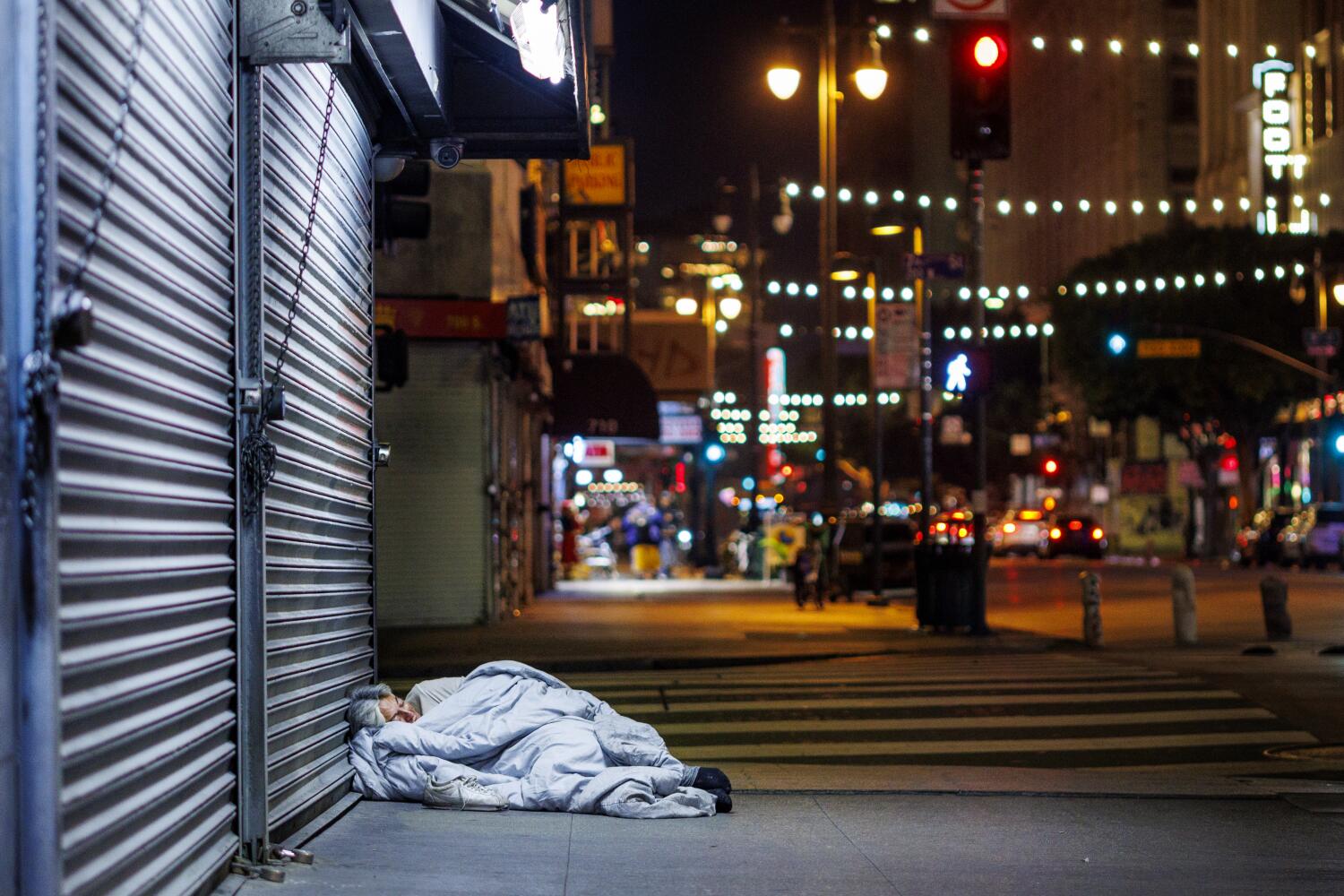
The door to the clinic in Dakar doesn’t creak, but to Amadou, it sounds like a gunshot. He stands on the sidewalk, his collar turned up against a breeze that feels far colder than the Senegalese night should allow. In his pocket, a small plastic strip—a reminder of a life he is trying to save—presses against his thigh. He needs his medication. He needs the blood work that keeps the ghosts at bay. But tonight, he doesn't walk in. He turns around and disappears into the shadows of the Médina.
Fear has a specific scent. In the humid air of Dakar, it smells like exhaust, sea salt, and the metallic tang of adrenaline. For years, Senegal was the gold standard for public health in West Africa. It was the place where pragmatism beat prejudice, where the government understood a simple, biological truth: a virus does not care who you love. If one person is left in the dark, the whole city is at risk.
That light is flickering out.
The Architecture of a Ghost Town
To understand what is happening in Senegal, you have to look past the political speeches and the heated debates in the National Assembly. You have to look at the waiting rooms. Five years ago, these spaces were vibrant hubs of survival. Peer educators—men and women who lived the reality of the HIV epidemic—sat on plastic chairs, sharing tea and ensuring that the most marginalized members of society felt seen.
The strategy was working. Senegal’s HIV prevalence has historically remained low, hovering around 0.3% to 0.5% in the general population. This wasn't an accident. It was the result of a "don't ask, don't tell" approach to healthcare that prioritized the needle and the pill over the gavel and the pulpit.
Then the atmosphere shifted.
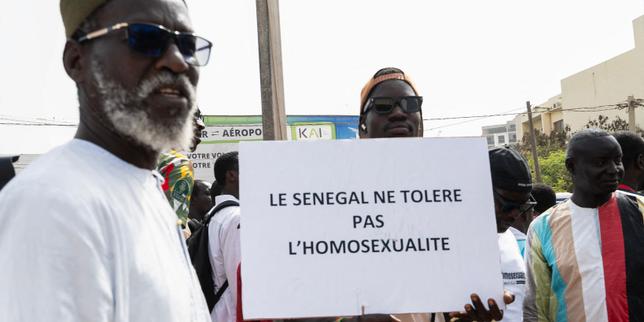
The "Lutte contre les déviances" (the fight against deviance) became more than a slogan; it became a hunt. When the police began raiding private gatherings and the media began publishing the faces of those suspected of being "different," the clinics didn't just lose patients. They lost their pulse.
Consider a hypothetical doctor we will call Dr. Diallo. For two decades, Diallo has operated out of a modest facility near the coast. He doesn't judge. He treats. But lately, Diallo finds himself staring at empty chairs. His patients are terrified that a trip to the doctor is actually a trip to a prison cell. In the current climate, being seen at a center known for serving the LGBTQ+ community is a brand. It is a target.
When the "hidden" populations—the men who have sex with men, the trans community, the sex workers—stop coming for testing, the data goes dark. And when the data goes dark, the virus wins.
The Mathematical Certainty of Silence
Public health is a game of numbers, but the numbers are built on trust. There is a concept in epidemiology known as the "cascade of care." It starts with diagnosis, moves to treatment, and ends with viral suppression. If you break the first link, the rest of the chain falls into the dirt.
The World Health Organization and UNAIDS have a target called 95-94-95. The goal is for 95% of people living with HIV to know their status, 95% of those diagnosed to be on sustained antiretroviral therapy (ART), and 95% of those on ART to have viral suppression.
In Senegal, the "invisible" stakes are that this target is becoming a fantasy.
If Amadou is too afraid to get tested, he cannot start ART. If he cannot start ART, his viral load remains high. He becomes a vector. Not because he is reckless, but because his society has made his self-preservation a crime. The irony is bitter: in the name of "protecting" traditional values, the gates have been opened for an old, familiar killer to return.
The logic is as cold as a morgue slab. You cannot treat a patient who is hiding under their bed. You cannot stop an epidemic by pretending the people most affected by it don't exist. By pushing a segment of the population into the shadows, the state is effectively subsidizing the spread of HIV.
The Price of Moral Posturing
It is easy to shout from a podium about the sanctity of culture. It is much harder to look at a mother and explain why her son died of a manageable condition because the local pharmacy was under surveillance.
The shift in Senegal isn't just about new laws; it’s about the erosion of the "Senegalese Exception." This was a country known for Teranga—hospitality and mutual respect. But Teranga is being replaced by a frantic, performative morality. Populist leaders have realized that fear is a potent fuel. If you can make people afraid of their neighbors, you can make them forget about the rising cost of rice or the lack of jobs.
But the cost of this political strategy is measured in human lives.
Community-based organizations, once the backbone of the HIV response, are folding. Their funding, often tied to international grants that require reaching specific demographics, is drying up because they can no longer reach those people. How can a peer educator do their job if they risk a three-to-five-year prison sentence for "promoting" a "lifestyle"?
The answer is simple: they can't.
And as the support networks vanish, so does the knowledge. The stigma becomes a blanket, thick and suffocating. It is easier to believe the virus is a myth than it is to admit you might have it. It is easier to fade away than to be arrested for needing a doctor.
The Geography of Silence
Walk through the streets of Parcelles Assainies or Guediawaye. In these crowded neighborhoods, where houses lean against each other and secrets are hard to keep, the climate of fear is palpable. It is not just about the state; it's about the mob.
When a video goes viral on WhatsApp, showing a young man being chased and beaten by his community, the ripples of that violence reach every clinic in the country. The digital age has made the hunt more efficient. It has made the closet smaller. It has made the clinic a trap.
The real tragedy is that this is a self-inflicted wound.
Senegal has the expertise. It has the medicine. It has the brave doctors and the dedicated activists who have spent their lives building a barrier against HIV. All of that is being dismantled in the service of a political mirage.
The virus doesn't pause for the evening prayer or wait for the results of a parliamentary vote. It is a tireless, biological machine. It thrives in the gaps where people are too afraid to speak. It loves the silence that is falling over Dakar.
Amadou sits on his bed in a shared room, his phone screen the only light. He scrolls through the news, seeing the faces of politicians he once respected, now calling for his erasure. He thinks of the pills he is running out of. He thinks of the doctor who knows his name but who he can no longer trust to protect him.
He knows that if he stays, the virus might kill him. If he goes to the clinic, the mob might kill him.
Outside, the Atlantic Ocean crashes against the rocks of the Corniche, a rhythm that has outlasted empires and will outlast this moment of madness. But for those caught in the spray, the water is rising. The silence is not a peace; it is a warning. And as the clinics go quiet, the heartbeat of a nation's health begins to fade.