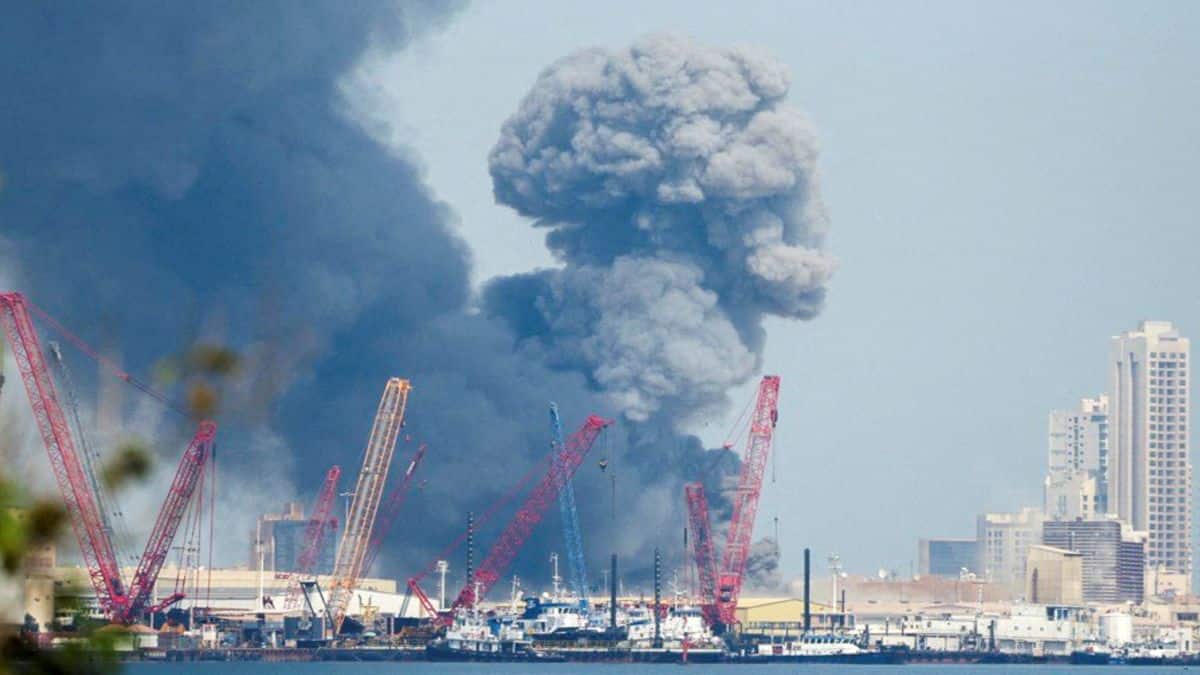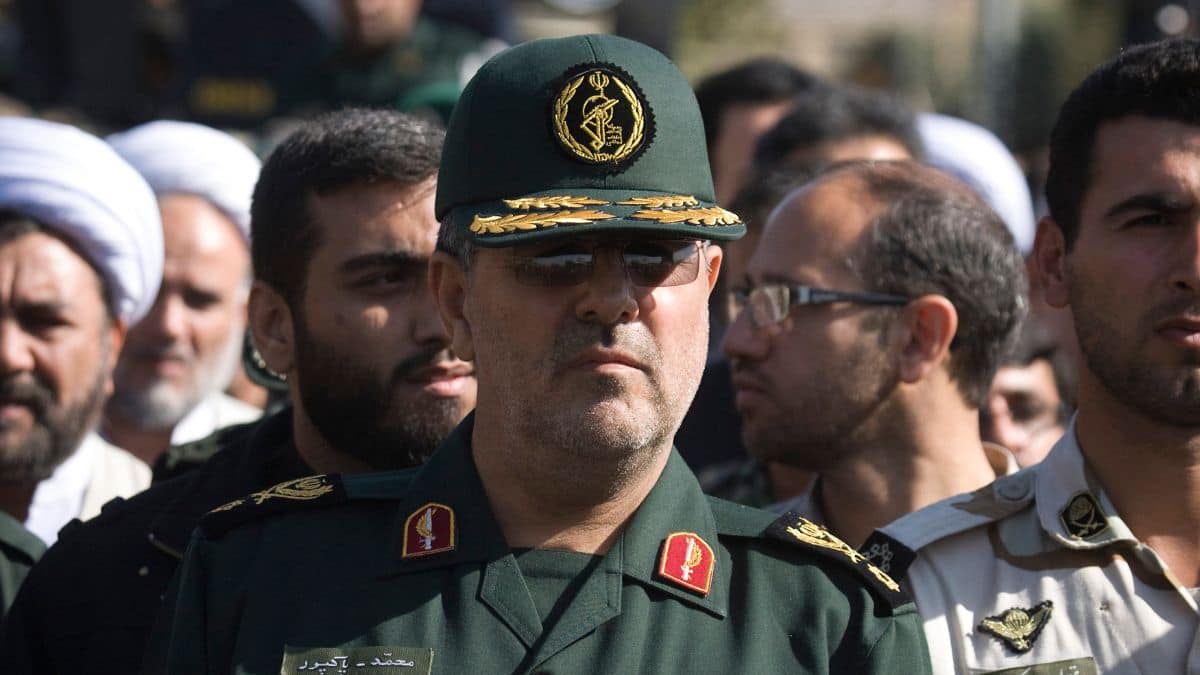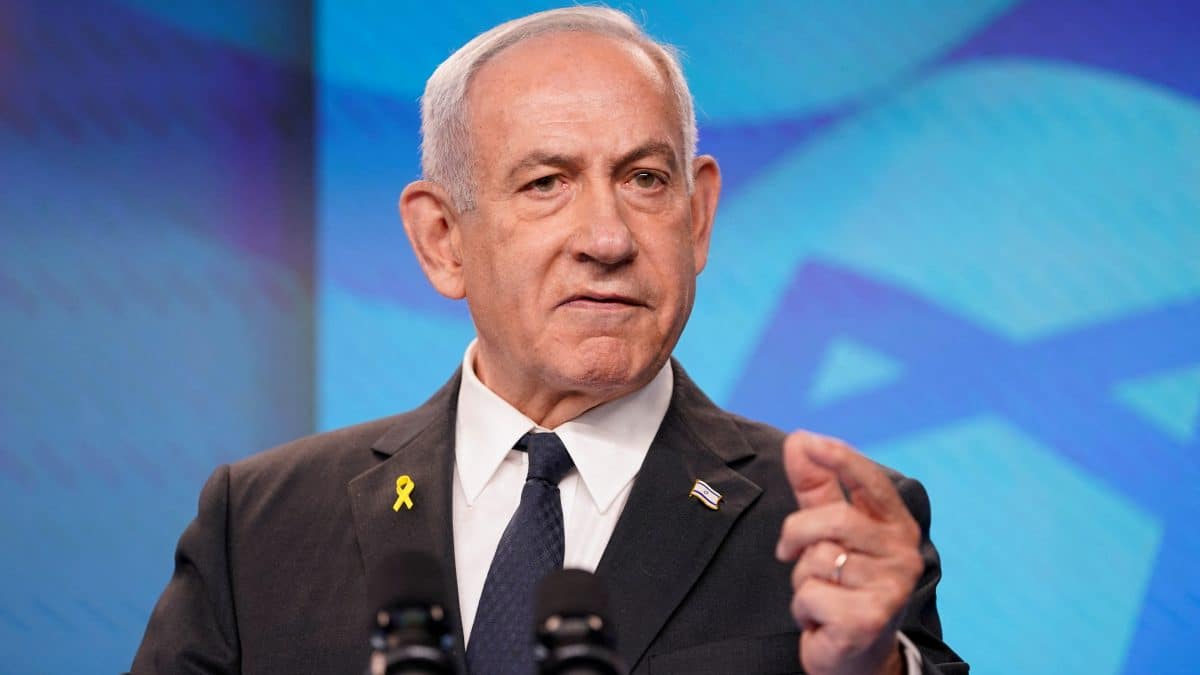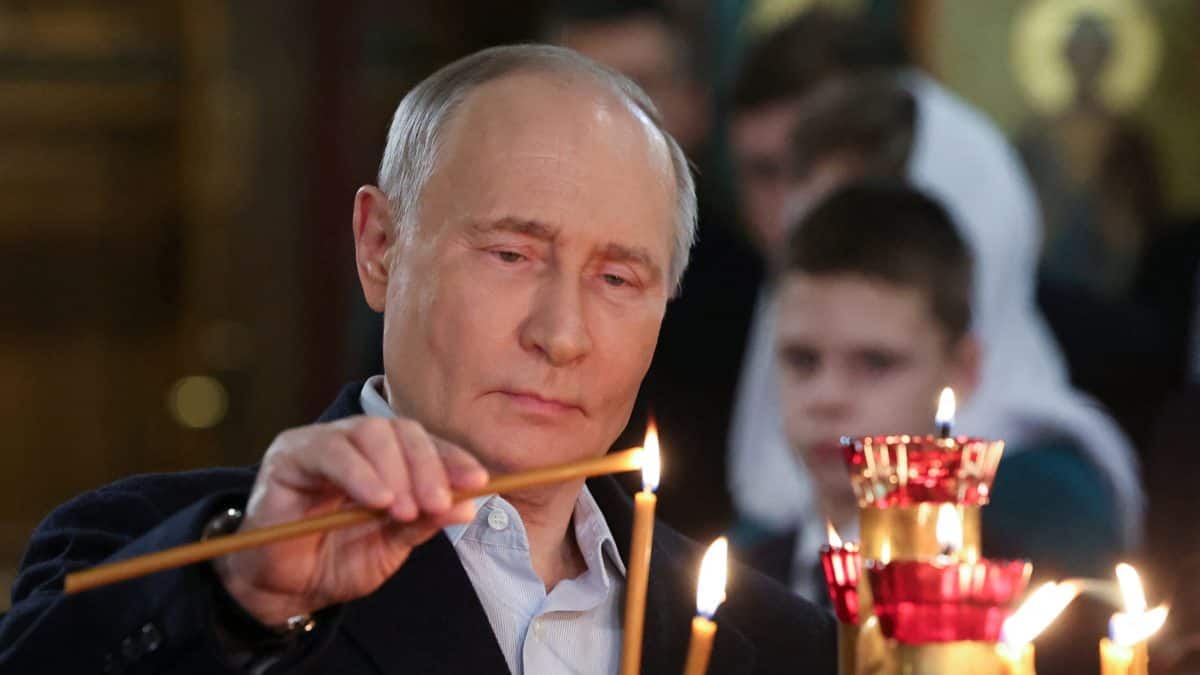
The silence of a Tehran midnight is never truly silent. It is a thick, humid layer of humming electricity, distant traffic, and the rhythmic breathing of a city that has learned to sleep with one eye open. But at 2:14 AM, that silence didn't just break. It evaporated.
We often talk about history as a series of dates in a textbook, cold and immovable. We treat the shifting of global power like a game of chess played on a mahogany table. We forget that when the pieces move, the table shakes. When the news broke that a coordinated strike by US and Israeli forces had reached the unreachable—the inner sanctum of Iran’s Supreme Leader—the world didn't just change. It splintered.
This wasn't a skirmish on a dusty border. This was a surgical excision of a regime’s soul.
The Ghost in the Machine
To understand the weight of this moment, you have to look past the grainy satellite footage and the dry press releases from the Pentagon. You have to look at the technology that made it possible. For decades, the concept of "sovereignty" was protected by concrete, distance, and the sheer difficulty of finding a needle in a haystack of mountains.
That protection is gone.
The strikes utilized a level of synchronized intelligence that feels more like science fiction than modern warfare. Imagine a net. Not a physical one, but a digital web of signals, heat signatures, and acoustic sensors draped over a thousand square miles. Every vibration, every encrypted whisper, every flicker of a light switch becomes a data point. When the order came, the response wasn't a blunt instrument. It was a scalpel guided by an invisible hand.
The physical reality of the strike—the kinetic energy of the munitions—is almost secondary to the psychological reality. The message sent wasn't just "we can hit you." It was "we are already there."
A Father in Haifa, a Daughter in Isfahan
Let's ground this. Consider a hypothetical man named Elias in Haifa. He spends his nights listening for sirens, his children sleeping in the hallway because it's the furthest point from any window. For Elias, this news isn't about "geopolitical shifts." It is about the possibility of his children waking up in a world where the threat of a looming shadow has finally been addressed.
Now, shift your gaze. Consider a young woman named Samira in Isfahan. She doesn't support the regime. She remembers the protests, the crackdowns, and the friends who vanished into the maw of the morality police. But as the explosions rocked the capital, she didn't feel a sense of liberation. She felt a cold, biting terror.
When a central pillar of a nation is kicked out from under the roof, the debris doesn't care who you voted for. It falls on everyone.
The "human element" isn't a buzzword. It is the friction between Elias’s hope and Samira’s fear. It is the realization that while the world watches the "big picture," millions of people are currently staring at their ceilings, wondering if the grocery store will be open tomorrow or if the sky will turn orange again.
The Myth of the Unstoppable
For forty years, the Iranian leadership cultivated an image of divine permanence. They built a narrative of a "Resistance" that was immune to the reach of Western "decadence." That narrative died in the fire of the strikes.
There is a specific kind of vertigo that happens when a seemingly eternal power structure vanishes in a heartbeat. It’s the feeling of walking down a flight of stairs in the dark and reaching for a step that isn't there. The regional map, once defined by the influence of a single man’s ideology, is now a blank sheet of paper.
But blank paper is dangerous.
Nature loathes a vacuum, and politics fears one even more. The "invisible stakes" here aren't just about who takes over the office in Tehran. They are about the scramble for the scraps. Every proxy group, every local militia, and every neighboring power is currently recalculating their worth. The chess players haven't left the table; they’re just reaching for new pieces.
The Architecture of the Strike
The technical precision of the operation reveals a terrifying evolution in how we conduct conflict. We have moved beyond "shock and awe." We are now in the era of "targeted erasure."
- Information Supremacy: The ability to bypass some of the most sophisticated air defense systems on the planet suggests a total compromise of the target’s internal networks.
- Kinetic Synchronization: Striking multiple high-value targets across a vast geography within seconds requires a level of AI-assisted coordination that removes human lag from the equation.
- The End of Hiding: If the Supreme Leader, surrounded by the finest security and buried under layers of secrecy, could be found, then the very concept of a "secure location" is a relic of the 20th century.
It is tempting to see this as a victory for technology. A triumph of the "smart" over the "strong." But there is a hidden cost to this kind of efficiency. When war becomes this precise, it becomes easier to justify. When you can kill a leader without leveling a city, the barrier to entry for high-stakes assassination drops. We are entering a period where the "red lines" of international diplomacy are being redrawn with disappearing ink.
The Weight of the Morning After
As the sun rose over Tehran, the smoke began to mingle with the morning mist. The city didn't collapse into immediate chaos. Instead, there was a heavy, expectant stillness. It’s the stillness of a forest after a massive oak has been struck by lightning. The other trees are still standing, but the canopy has changed. The light hits the ground differently now.
We often look for a "game-changer"—a single event that fixes everything. This isn't that. This is a "game-ender." The old rules, the old cold wars, and the old stalemates have been incinerated.
The uncertainty is the most honest thing we have left. To pretend we know what happens next is a lie. Will there be a democratic surge? Or will a more radical, more desperate faction seize the levers of power? Will the region descend into a multi-front war, or will the shock of the strike force a bitter, necessary peace?
The answer isn't in a briefing room in Washington or a bunker in Tel Aviv. It’s in the streets of Tehran, where people are looking at each other with a mixture of grief, relief, and a profound, bone-deep exhaustion.
The world woke up today and found that the person it had been arguing with for forty years was suddenly gone. The silence that follows is louder than any explosion. It is the sound of a billion people holding their breath, waiting to see if the air is still safe to breathe.
Somewhere, in a small apartment, a radio is playing static. A tea kettle whistles, ignored. A phone vibrates on a nightstand, filled with messages that no one knows how to answer. The map has been torn up. The ink is still wet. We are all living in the jagged edges of what comes next.
The smoke hasn't cleared. It has simply become the air we breathe.