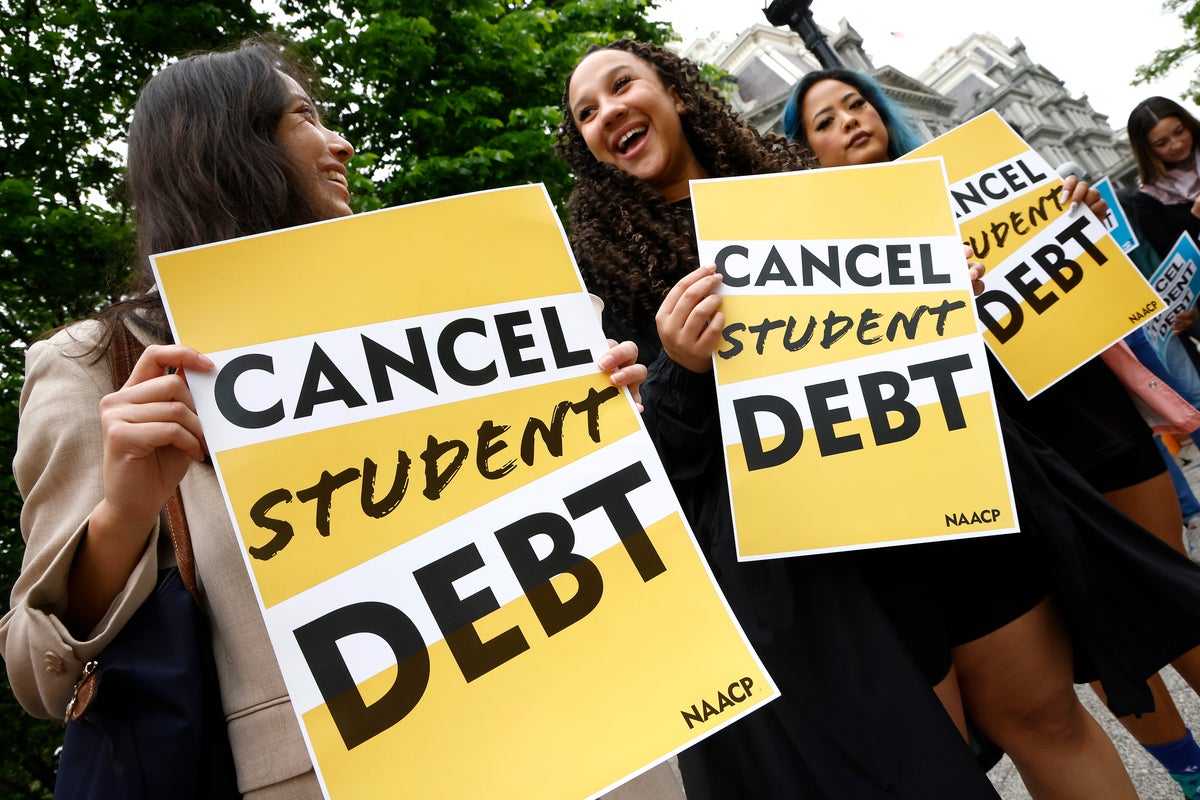
The federal student loan safety net is tearing at the seams. Despite a year of new repayment plans and high-profile debt forgiveness attempts, more than 9 million student loan borrowers have fallen into default. It’s a staggering number that represents nearly a quarter of all people with federal education debt. If you thought the "return to normal" after the multi-year pandemic pause would be smooth, these figures from the Department of Education prove otherwise.
People aren't just missing a payment here and there. They're falling off the map entirely. Most of these borrowers haven't made a single payment since the bill came due in late 2023. This isn't just about "forgetting" a due date. It's a systemic collapse for a massive portion of the American workforce.
The On-Ramp Didn't Stop the Crash
When the Biden administration restarted payments, they created a twelve-month "on-ramp" period. It was supposed to be a graceful transition. The idea was simple. If you missed a payment, the government wouldn't report you to credit bureaus or trigger a default. But that period has ended. Now, the harsh reality of collections, wage garnishment, and ruined credit scores is hitting millions of households at once.
The Department of Education's recent data shows that a huge chunk of the 43 million total borrowers simply didn't engage with the system. Many expected more forgiveness. Others found the new "SAVE" plan too confusing or caught in legal limbo. When you look at the 9 million figure, you’re looking at people who are often the most vulnerable. These aren't just doctors with six-figure balances. They're often people who didn't finish their degrees but still carry the debt, or those whose incomes haven't kept pace with the cost of eggs and rent.
Why the SAVE Plan Legal Battles Fueled the Fire
The SAVE (Saving on a Valuable Education) plan was marketed as the ultimate solution to prevent exactly this kind of mass default. It promised $0 monthly payments for lower earners and stopped interest from ballooning. It felt like a win. Then the courts stepped in.
Lawsuits from several states led to injunctions that froze the program. This created a massive communication vacuum. Borrowers who were told their payments would be manageable suddenly saw their accounts placed in "administrative forbearance." Others were told to wait. When people get conflicting messages from their loan servicer and the evening news, they often stop paying altogether. It’s a psychological surrender. If the rules of the game change every three weeks, why play?
The chaos in the courts didn't just stop the SAVE plan; it broke the trust borrowers had in the repayment system. When trust breaks, default follows.
The Hidden Cost of Servicer Incompetence
Let's be real about the companies managing these loans. Servicers like Mohela and Nelnet have been overwhelmed, underfunded, and—honestly—pretty bad at their jobs lately. Borrowers report being on hold for hours. They get incorrect balance statements. They're told they qualify for one plan, only to have it denied a month later.
If you're a borrower living paycheck to paycheck, you don't have five hours to sit on a phone line to fix a clerical error. You have a job. You have kids. When the servicer makes it impossible to pay correctly, the default isn't always the borrower’s fault. It’s a failure of the infrastructure. The government has even withheld millions in payments to these servicers as punishment, but that doesn't fix a borrower’s credit score once the damage is done.
The Lifecycle of a Default
- Delinquency: You miss a payment. After 90 days, it’s reported to credit bureaus.
- Default: After 270 days of no payment, you're officially in default.
- Acceleration: The entire balance becomes due immediately. You lose access to deferment or better repayment plans.
- Collection: The government can take your tax refund or garnish up to 15% of your paycheck without a court order.
The Debt Forgiveness Mirage
For years, the headlines were filled with talk of $10,000 or $20,000 in blanket forgiveness. Many people stayed on the sidelines, waiting for that "clear" button to be pressed. It never happened the way it was promised. While the administration has managed to cancel billions for specific groups—like long-term public servants or those cheated by for-profit colleges—the average borrower is still staring at the same balance they had in 2020.
That "waiting game" has been a disaster. It led to a sense of apathy. If you think the debt might disappear tomorrow, you’re less likely to sacrifice your grocery money to pay it today. Now, that bill is due with interest, and the 9 million people in default are the ones who got caught in the middle of the political tug-of-war.
Practical Steps to Get Out of the Red
If you're part of that 9 million, or if you're circling the drain, you need to act before the government starts taking your paycheck. Ignoring the emails won't make the debt go away. It only makes the interest grow.
First, check your status on StudentAid.gov. Don't rely on your servicer's website alone. You need to see exactly where you stand with the Department of Education. If you're already in default, look into the "Fresh Start" program. It’s a one-time opportunity to move your loans back into good standing and remove the default from your credit report. This is probably the most important tool available right now, but it won't last forever.
Second, get on an Income-Driven Repayment (IDR) plan. Even if the SAVE plan is tied up in court, there are other versions like IBR or PAYE. These plans can bring your payment down to a percentage of your discretionary income. If you're unemployed or making very little, your payment could literally be $0 a month. A $0 payment is infinitely better than a "missed" payment because it counts as being "current" and protects your credit.
Third, document everything. If you call your servicer, write down the date, the time, and the name of the person you talked to. If they give you bad info, you'll need that paper trail to file a complaint with the Consumer Financial Protection Bureau (CFPB). Don't let their mistakes become your financial ruin.
The system is messy. It's frustrating. It's arguably broken. But the 9 million people currently in default are facing a future of seized tax returns and plummeting credit scores that will affect their ability to buy a house or even get a job. Use the tools that still exist. Get into a plan, even if it's just to buy yourself time. The government's patience has run out, and your credit shouldn't be the casualty of their administrative failures.