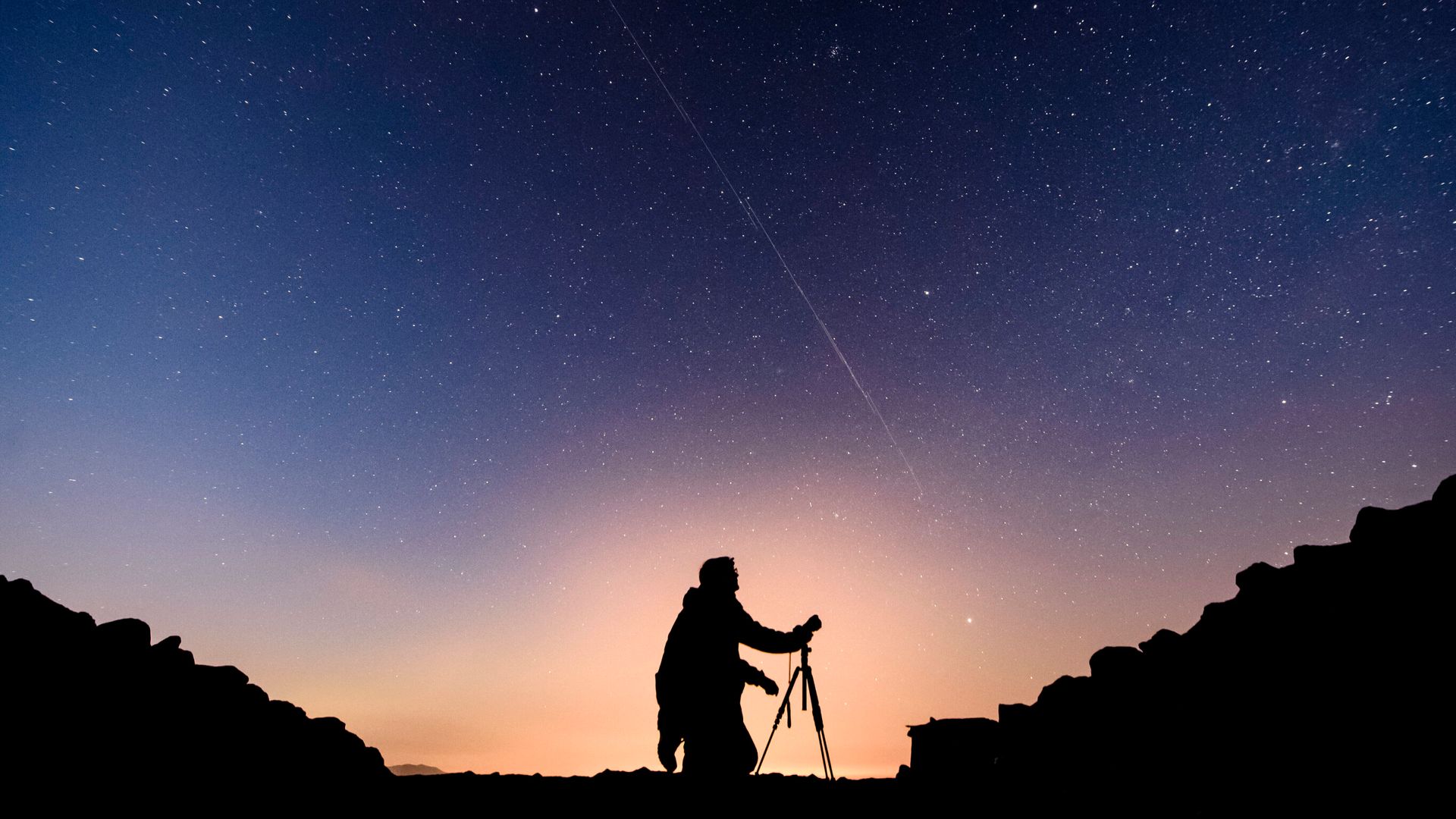
You’re halfway up a peak in the Lake District or tucked away in a remote corner of the Scottish Highlands. You pull out your phone to check the weather or send a quick "I'm safe" text, only to see those dreaded words: No Service. For decades, this has been the tax we pay for exploring the UK’s wilder bits. But as of February 26, 2026, that era is officially over.
Virgin Media O2 just flipped the switch on O2 Satellite, making it the first network in the UK—and the first in Europe—to connect standard smartphones directly to Elon Musk’s Starlink satellites. This isn't just another incremental upgrade. It’s a fundamental shift in how we think about coverage. We’re moving from a world where "99% population coverage" hides the fact that 10% of the land is a total communications black hole, to a world where the sky is your cell tower.
The tech that actually works in your pocket
The biggest misconception about satellite phones is that you need a chunky handset with a foot-long antenna. That's old news. The "Direct to Cell" technology O2 is using works with the phone you already own. At launch, the focus is on the latest Samsung Galaxy S25 and S26 models, but the roadmap for other 4G and 5G handsets is moving fast.
The secret sauce is in the Starlink satellites themselves. They’re equipped with an eNodeB modem that basically acts like a cell tower in space. Instead of beaming signals to a fixed dish on your house, these satellites "talk" to the LTE chip inside your phone.
I’ve seen plenty of "innovation" in the telco space that ends up being a gimmick, but this feels different. It bridges a massive gap. Virgin Media O2 says this move increases their landmass coverage from 89% to 95% overnight. That’s an area roughly two-thirds the size of Wales that suddenly has a signal for the first time.
What can you actually do with O2 Satellite?
Don't expect to binge-watch 4K Netflix while sitting in a ravine quite yet. We're in the early days, so bandwidth is the main constraint. Here’s the reality of what you get for the £3 per month bolt-on:
- Messaging: WhatsApp, Facebook Messenger, and standard SMS work.
- Essential Data: You can check Google Maps, get weather updates, and use location-based apps.
- Emergency Backup: If the local ground network goes down due to a power cut, your phone automatically looks for a Starlink satellite.
Honestly, for three quid, the peace of mind is a steal. If you’re a hiker, a rural worker, or just someone who lives in a "not-spot," it’s a no-brainer. The network has even promised that customers on "Ultimate Plans" will get this included for free soon.
The race for the UK sky
While O2 has the "first mover" advantage, the rest of the industry isn't exactly sitting on their hands. The UK's mobile market is becoming a battleground for space-based connectivity.
BT and EE have their own deal with Starlink, but they’re taking a slightly different path. Their current focus is more on "Satellite Broadband" for homes and small businesses in areas where digging fiber cables is just too expensive. They’re aiming for speeds up to 280 Mbps, which is wild for rural internet, but it requires a dish. Their mobile "Direct to Cell" plans are still mostly under wraps, likely landing later in 2026.
Vodafone is the one to watch if you aren't a fan of the Musk empire. They’ve teamed up with AST SpaceMobile to launch "Satellite Connect Europe." They’re building ground stations in the UK right now and claim their satellites have much larger antennas, which might eventually lead to faster mobile data speeds than Starlink’s first-gen cellular service.
Why this matters for the 2026 digital divide
There’s always a lot of corporate talk about "closing the digital divide," but usually, it just means adding more 5G towers in London or Manchester. Rural communities have been ignored because building a mast for ten people isn't profitable.
SpaceX changed the math. Since the satellites are already up there, the cost of covering a farm in Cumbria is the same as covering a street in Soho. For the first time, your location doesn't dictate your ability to call for help or navigate a trail.
Ofcom’s decision to approve the first license for satellite-to-smartphone services on February 25, 2026, was the final hurdle. It signal-boosted the UK to the front of the line in Europe. While countries like Germany and Spain are still in the trial phase, UK users are already paying for the service and using it in the wild.
Limitations you need to know
It isn't perfect. You still need a relatively clear view of the sky. If you’re deep inside a thick stone building or at the bottom of a very narrow, wooded gorge, the signal might struggle. Also, the current Starlink constellation doesn't provide 100% "continuous" coverage for data in the extreme far north of Scotland—though that’s changing with every new Starship launch that puts more satellites into orbit.
Taking the next step
If you’re an O2 customer, you don't need to wait. You can head into the O2 app right now and look for the O2 Satellite Bolt On.
- Check your handset: Ensure you're on a compatible device (currently Samsung Galaxy S25/S26 series).
- Toggle the add-on: It’s a £3 monthly charge that you can cancel anytime.
- Update your software: Make sure your phone is running the latest firmware to enable the satellite handoff.
If you're with EE or Vodafone, sit tight. The trials are wrapping up, and you'll likely see similar "emergency and messaging" packages hitting your account options by the end of the year. The era of the dead zone is ending; we're just waiting for the rest of the satellites to catch up.