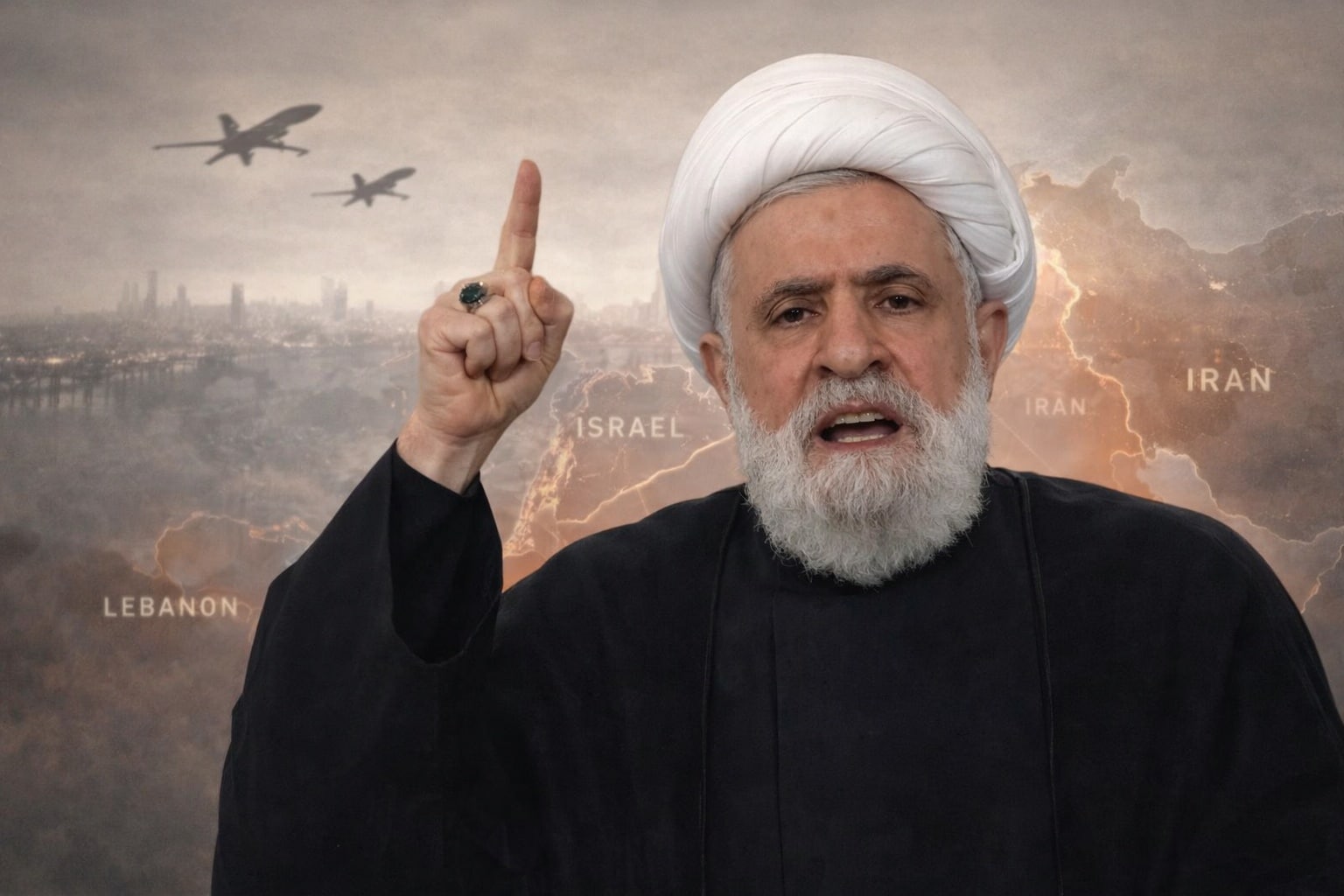
The global energy market just hit a wall. If you thought the era of cheap heating and manageable electricity bills was coming back, the news out of the Persian Gulf just torched that dream. We're looking at a 50% spike in gas prices almost overnight. This isn't just another market hiccup or a speculative bubble. It’s a direct result of Iran’s military strikes and the subsequent decision by Qatar to halt its Liquified Natural Gas (LNG) output.
When the world’s biggest exporter of LNG stops the flow, everyone feels it. Qatar isn't just a player in the game; they are the game for countries like Japan, South Korea, and much of Europe. The Strait of Hormuz is the world's most important oil and gas chokepoint, and right now, it’s a combat zone. You can't sail a massive tanker through a barrage of missiles and expect insurance companies to look the other way.
The Reality of the 50 Percent Price Jump
Most people see a "50% increase" on a news ticker and think it’s a temporary glitch. It’s not. This spike reflects a total loss of confidence in the supply chain. Energy traders are terrified. When Iran launched strikes targeting regional infrastructure, the immediate reaction was to price in a worst-case scenario. We’re living that scenario.
The cost of shipping has tripled because of the risk. Even if you can find a cargo of gas, getting it from the Gulf to a terminal in Europe or Asia is now a logistical nightmare. This hits your wallet at the pump and in your monthly utility bill. It’s a domino effect. High gas prices mean higher costs for manufacturing, which means the price of everything from bread to steel is about to climb again.
Why Qatar Had to Pull the Plug
You might wonder why Qatar would stop production when prices are through the roof. It seems counterintuitive. Wouldn't they want to sell as much as possible at these record highs? The answer is simple. Safety and stability.
Loading an LNG carrier is a precise, dangerous operation even in peacetime. In a theater of war, it’s a liability. Qatar Energy isn't going to risk multi-billion dollar infrastructure or the lives of their crews while missiles are flying. They’ve halted output because the maritime routes are effectively closed. The "just-in-time" delivery model that the global economy relies on doesn't work when the "time" part is interrupted by an international conflict.
The Geopolitical Chessboard and Iran’s Strategy
Iran knows exactly what it's doing. By targeting specific nodes in the energy corridor, they’ve proven they can hold the global economy hostage without even declaring a full-scale war. This isn't just about regional grievances anymore. It’s a demonstration of leverage.
For years, analysts warned about the vulnerability of the Strait of Hormuz. We’re now seeing those warnings turn into reality. The U.S. Fifth Fleet is in the area, but military presence doesn't magically make the waters safe for commercial shipping. A single successful strike on a tanker could cause an environmental and economic catastrophe that would take years to fix.
Europe’s Failed Energy Security
Europe spent the last few years trying to pivot away from Russian gas. They looked to the Middle East as the savior. That plan just backfired. By trading one volatile source for another, the EU remains exposed to shocks they can't control. Germany, in particular, is in a tough spot. Their industrial heartland depends on steady, affordable gas. Without Qatari LNG, they’re forced to buy on the spot market at prices that will bankrupt smaller firms.
The Asian Demand Crisis
Japan and South Korea are the quiet victims here. They don't have the luxury of pipelines. They rely almost entirely on the sea. With Qatar off the table, these nations are competing for whatever gas is left from the U.S. and Australia. This bidding war is what’s driving that 50% spike even higher in some local markets.
What This Means for Your Monthly Budget
It’s easy to get lost in the macroeconomics, but let’s talk about your bank account. If you’re a homeowner, your heating costs are going up. There’s no way around it. Utilities pass these costs directly to the consumer. If you’re an investor, you’re likely seeing energy stocks soar while everything else bleeds red.
The ripple effect is what kills. It’s not just the gas. It’s the electricity generated by that gas. It’s the plastic products made with gas byproducts. It’s the fertilizer that farmers need for next season’s crops. This 50% spike is a tax on every human being on the planet.
Survival Steps in a Volatile Market
You can't stop a missile in the Persian Gulf, but you can protect yourself from the fallout. First, if you’re on a variable-rate energy contract, try to lock in a fixed rate immediately if any are still available. They’ll be high, but they might be lower than where we’re headed next month.
Second, watch the shipping data. Sites like MarineTraffic show you exactly how many tankers are sitting idle. If those ships aren't moving, prices aren't coming down. Honestly, the market is in a state of "wait and see," but waiting is expensive.
Diversify your personal "energy exposure." If you’ve been on the fence about solar or heat pumps, the math just changed in your favor. The payback period for energy-efficient home upgrades just got cut in half because the cost of doing nothing has doubled.
The reality is that we’ve entered a period of extreme energy nationalism. Countries are going to start hoarding their own resources. The U.S. might limit exports to keep domestic prices low. Australia might do the same. This leaves the global market in a state of permanent anxiety.
Stop waiting for things to "go back to normal." This is the new normal. High volatility, geopolitical blackmail, and the end of cheap energy are the defining traits of the late 2020s. Adjust your expectations and your budget now before the next bill arrives.
Keep a close eye on the diplomatic cables coming out of Doha and Tehran. Any sign of de-escalation will cause a quick dip, but the fundamental trust in the Gulf’s supply chain is broken. Even if the strikes stop tomorrow, the insurance premiums on those ships will stay high for months. That means the "war tax" on your energy is here to stay for the foreseeable future.
Check your local utility's upcoming rate hike schedule. Most are required to post these 30 days in advance. If you see a massive jump scheduled for next month, start cutting discretionary spending today. You'll need that cushion when the winter bills or summer cooling costs hit your inbox.