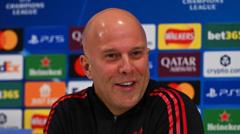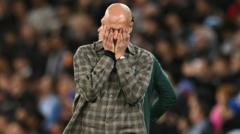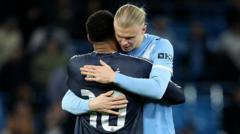
Manchester City just found out that perfection doesn't guarantee a trophy. They dominated the ball. They pinned Real Madrid into their own penalty area for what felt like an eternity. They took thirty-three shots. Yet, as the sun rises on a post-Champions League exit, Pep Guardiola's squad faces a brutal reality check. The dream of a back-to-back treble is dead. Now, they're staring down a domestic schedule that will define whether this season is remembered as a triumph or a collapse.
People think the loss to Madrid was a fluke because of the penalty shootout. It wasn't. It was a clash of philosophies where City’s control met Madrid’s chaos, and for the first time in a long time, the control snapped. You could see the physical toll it took. Players like Kevin De Bruyne and Erling Haaland didn't just look tired; they looked spent. This isn't just about tactical tweaks anymore. It's about whether this group has the emotional stamina to pivot instantly toward the Premier League and FA Cup.
The physical cost of chasing ghosts
Playing 120 minutes against a team that defends like a brick wall is draining. When you do it and lose, the lactic acid feels twice as heavy. City's upcoming run isn't kind. They don't get a week to mourn or a soft landing against a bottom-half side. They have to go again immediately.
The biggest issue right now is the "minutes in the legs" of the core spine. Rodri has been vocal about needing a rest, but he’s the one player Guardiola can't seem to bench. Without him, the whole system topples. Look at the data from previous seasons. City usually hits a physical peak in April, but this year feels different. They've had to fight harder for every win. The lack of a true backup for Rodri and the heavy reliance on an aging De Bruyne is starting to show.
If you’re betting on City to just steamroll their remaining fixtures, you're ignoring the fatigue factor. They aren't robots. They’ve played more high-intensity games than almost anyone in Europe over the last three years. That cumulative wear and tear is a silent killer. It's the reason passes start going astray in the 80th minute and why a defender misses a recovery run by half a second.
Why the Haaland criticism misses the point
Social media is currently tearing Erling Haaland apart. They call him a "League Two player" when he doesn't score. It's nonsense. Against Madrid, he occupied two center-backs the entire night. He hit the bar. He created space for others. The problem isn't Haaland; it's how City adapts when teams figure out how to isolate him.
Teams have stopped trying to outplay City. They sit deep, narrow the pitch, and pray for a counter-attack. It's the "Madrid Blueprint." If City wants to win the double, they need to find a way to be less predictable. Lately, it feels like they’re trying to walk the ball into the net every single time. Sometimes, you just need a bit of individual brilliance or a shot from distance to break the tension.
Phil Foden is the key here. He's the one player who seems to thrive when things get chaotic. While others stick strictly to the "Pep Way," Foden has that street-footballer instinct to try something daring. Moving him back into a central role where he can dictate the tempo and take risks is non-negotiable for the final stretch of the season.
Navigating the domestic minefield
The Premier League title race is a game of chicken. Arsenal and Liverpool aren't going away. One slip—just one draw—could end the hunt. City’s remaining games are a mix of stubborn mid-table teams and desperate relegation candidates. Neither is easy.
Take the FA Cup semi-final. It’s a quick turnaround. Chelsea might be inconsistent, but they have the pace to hurt a tired City backline. If Guardiola rotates too heavily, he risks another exit. If he doesn't rotate, he risks blowing out the hamstrings of his best players. It’s a coaching nightmare.
- Prioritize the league over the cup. If a choice must be made, the fourth consecutive title is the history-maker.
- Trust the bench. Players like Oscar Bobb or Jeremy Doku need to provide more than just ten-minute cameos.
- Manage Rodri. Even if it's just thirty minutes of rest, he needs it before he hits a wall.
People keep talking about City's "easy" run-in. There's no such thing. Every team they face sees them as the ultimate scalp. They're playing against opponents who have had full weeks of rest while City has been traveling across the continent and playing extra time. The mental fatigue of being the hunted is just as taxing as the physical side.
The mental shift from hunter to hunted
Last season, City was the hunter chasing Arsenal. This year, they're the ones holding the lead with everyone breathing down their necks. The loss to Madrid could go one of two ways. It either deflates the balloon entirely, or it creates a "us against the world" siege mentality.
I've watched this team for years. They usually respond to disappointment by going on a ten-game winning streak. But those streaks were built on a foundation of supreme confidence. Right now, that confidence has a tiny crack in it. You could see it in the faces of the players after the final whistle in the Champions League. It wasn't just sadness; it was shock. They did everything right and still lost.
To win the double, they have to forget the "perfection" goal. It doesn't have to be pretty anymore. They need to embrace the grind. If that means winning 1-0 with a scrappy goal from a corner, so be it. The era of winning every game 4-0 might be on pause while they recover their energy.
What happens if they fail
Failure is a strong word for a team that might still win two major trophies. But for City, the standards are sky-high. If they end the season with only the League Cup or nothing at all, the questions about squad depth and "Pep-talk" will get loud.
The club needs to look at the summer transfer window differently now. They need more than just technical masters. They need "chaos agents"—players who can change a game when the plan fails. The Madrid defeat proved that having 70% possession is meaningless if you can't kill the game when you have the chance.
Watch the first fifteen minutes of their next match. That will tell you everything you need to know about the rest of the season. If they come out sluggish and sideways, the title race is wide open. If they come out with a point to prove, they'll likely sweep everything left in front of them.
The margin for error is gone. Every tackle, every sub, and every tactical shift is now magnified. This isn't just a run of games; it's a test of the culture Guardiola has built. It's time to see if they’re still the best in the business or if the empire is starting to show its age.
Start by watching the injury reports closely. If Nathan Ake or Kyle Walker face setbacks, the defensive transition becomes a massive liability. The focus must remain on defensive solidity first. Clean sheets win titles when the attackers are tired. Don't expect fireworks. Expect a battle.