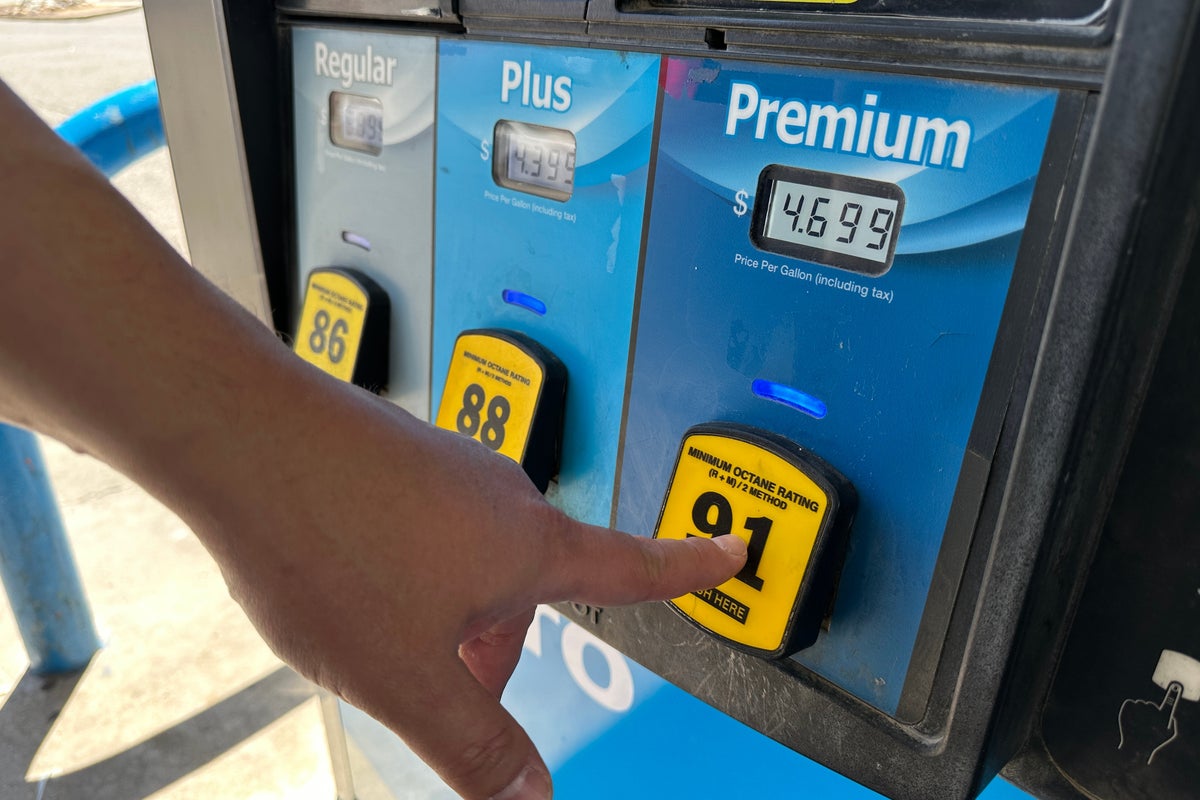
The dashboard light flickers in the predawn gray of a gas station off a nondescript highway. It’s a soft, amber glow, but it feels like a siren. For Sarah, a mother of two who drives forty miles one way to a nursing job that pays enough—but only just—that light is a ticking clock. She watches the digits on the pump spin with a dizzying, relentless speed. Forty dollars used to fill the tank. Now, forty dollars barely moves the needle past the halfway mark.
This isn't just about Sarah. It’s about the millions of people who look at that red needle and feel a tightening in their chest. It’s a collective breath held across the country. And recently, the word from the highest levels of power has been a blunt, sobering admission: this weight isn't lifting anytime soon.
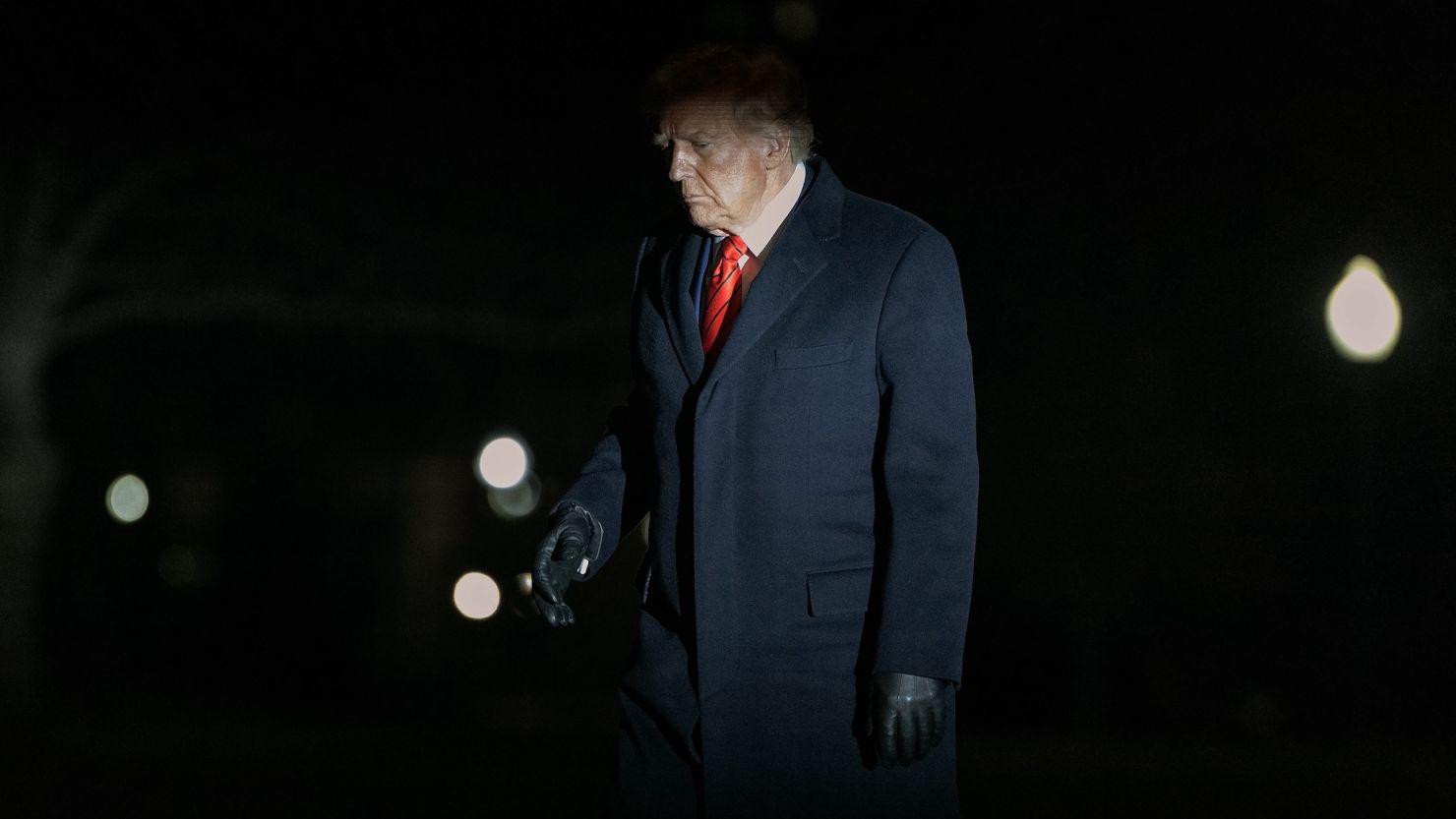
When Donald Trump stood before the cameras and acknowledged that these soaring prices could shadow the American experience right up until the midterms, he wasn't just making a political forecast. He was describing a reality that has already settled into the bones of the economy. It was a rare moment where the theater of politics collided with the cold math of the kitchen table.
The Arithmetic of Anxiety
To understand why the price of a gallon of regular feels like a personal insult, you have to look at the invisible threads connecting a drilling rig in the Permian Basin to the price of a carton of eggs in Ohio. Everything we touch, eat, or wear moved on a truck powered by diesel or gas. When the cost of moving those goods spikes, the world gets smaller. The margins get thinner.
The numbers are staggering, but the feeling is worse. We are living through a period where the global energy supply is a fraying rope. Years of underinvestment in traditional energy, a sudden, violent surge in demand after the world woke up from its pandemic slumber, and the geopolitical tremors of a distant war have created a perfect storm. It is a supply-side squeeze that doesn't care about election cycles or campaign promises.
Imagine a giant reservoir. For years, we let the walls crumble because we thought we were building a new, better lake elsewhere. But the new lake isn't ready yet, and the old one is leaking. That is the state of our energy infrastructure. We are caught between the world we want and the world we currently inhabit.
The Midterm Shadow
Politics usually thrives on the idea of a quick fix. "Vote for me, and I’ll turn the valve." But the admission that high prices could persist until November is a surrender to reality. It’s an acknowledgment that the levers of power are sometimes disconnected from the gears of the market.
For a sitting president, this is a nightmare. For a challenger like Trump, it is a potent, albeit grim, talking point. But for the person at the pump, it is simply a long, hard winter of the soul. The midterm elections serve as a convenient mile marker on a map that currently has no clear destination. By pointing to November, leaders are effectively telling us to settle in. The turbulence is the new atmosphere.
The stakes are invisible until they aren't. They show up in the "no" given to a child asking for a new pair of sneakers. They show up in the decision to skip a doctor’s visit because the gas money is needed for the heating bill. These aren't just statistics; they are the micro-tragedies of an inflationary era.
The Ghost of the 1970s
There is a certain generation that remembers the odd-even gas days, the lines that stretched around city blocks, and the pervasive sense that the American engine had stalled. For them, this feels like a ghost returning to haunt a new house. The parallels are uncomfortable. Then, as now, the problem was a mix of global politics and a sudden realization that energy independence is a fragile shield.
But today's world is faster. More interconnected. When energy costs rise now, the ripple effect doesn't just slow things down; it transforms them. We see it in the rise of "shrinkflation," where the cereal box stays the same size but the contents get lighter. We see it in the gig economy, where Uber drivers realize they are essentially paying for the privilege of working once the fuel cost is deducted.
The admission that this could last for months is a call to brace for impact. It suggests that the "transitory" phase we were promised has become a permanent fixture of the landscape.
The Myth of the Easy Answer
People want a villain. It’s easier to handle a crisis if you can point a finger at a greedy CEO or a bumbling bureaucrat. And while there is certainly enough blame to go around—from corporate profits to regulatory strangulation—the truth is more complex and less satisfying.
Refineries are running at near-total capacity. You can't just flip a switch and build a new one; it takes a decade and billions of dollars in a climate where such investments are increasingly discouraged. Meanwhile, the global demand for oil continues to climb, driven by emerging economies that are just beginning to drive the way Americans have for eighty years.
It’s a global tug-of-war where the rope is made of crude oil. Every time we pull, someone else pulls harder.
Living in the In-Between
So, what does it mean to live in a world where the highest office admits the pain is here to stay? It means a shift in how we view our lives. The long weekend road trip becomes a luxury. The commute becomes a calculation. We are learning, painfully, the true cost of our mobility.
Sarah, back at the gas station, finally hangs up the nozzle. The total on the screen is a number she would have found laughable three years ago. Now, it’s just the price of getting to work. She starts her car, the engine turning over with a mechanical indifference to the economic storm outside.
The road ahead is long, and the sun is only just beginning to peek over the horizon. The needle is up, for now, but everyone knows it only goes one way. We are driving into a future where the cost of moving forward has never been higher, and the exit ramps are few and far between.
The light on the dashboard is out, but the shadow it cast remains, stretching all the way to November and beyond.