You don't usually hear Russian oligarchs complain. For years, the unwritten rule for the ultra-wealthy in Moscow has been simple: keep your head down, keep your money, and definitely don't criticize the "special military operation." But as of April 2026, the smell of burning crude oil is getting too strong to ignore.
Ukraine’s drone campaign has moved past simple harassment. It's now a systematic dismantling of the Russian energy machine. We’re seeing a shift where the men who own the factories and the refineries are starting to lose their cool because the war isn't just "over there" anymore—it’s hitting their balance sheets with terrifying precision.
The end of the safe zone
For the first two years of the conflict, the Russian industrial heartland felt untouchable. That's over. Ukrainian long-range drones, like the new FP-1 models, are regularly flying 1,500km to find their targets. They aren't just hitting military bases; they’re hitting the distillation columns that cost hundreds of millions of dollars to replace.
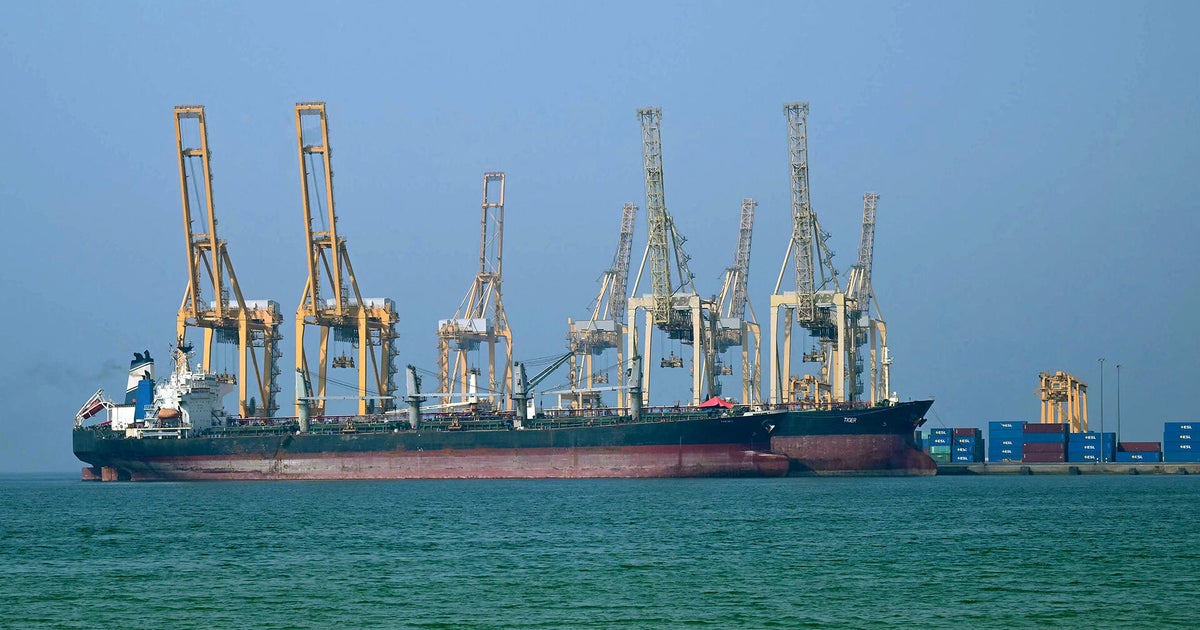
Take the recent strikes on the Kstovo Refinery and the terminals at Ust-Luga. These aren't just pinpricks. When a drone takes out a primary distillation unit (AVT), it doesn't just cause a fire. It halts the entire production line for months. Because of Western sanctions, getting the high-tech parts to fix these units is a nightmare. You can’t just buy a custom-made German or American refinery component on the black market easily.
Why the billionaires are nervous
The frustration from Russia’s industrial elite isn't about politics or morality. It's about infrastructure. When a billionaire like Vladimir Potanin or Oleg Deripaska looks at their assets, they see decades of investment being turned into scrap metal by a $20,000 drone.
I’ve watched this play out: the Russian government tells these guys to "self-insure" or buy their own anti-drone electronic warfare (EW) systems. But EW isn't a magic bubble. Ukraine is getting better at using autonomous terminal guidance, which means the drone doesn't need a GPS signal in the final seconds of its flight. If it can see the refinery tower, it’s going to hit it.
- Export capacity is tanking: In March 2026 alone, estimates suggest nearly 40% of Russia’s western oil export capacity was disrupted.
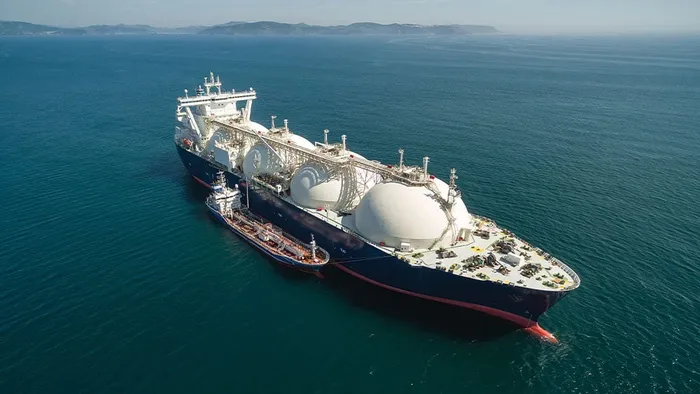
- The "Shadow Fleet" isn't enough: You can hide who owns a ship, but you can’t hide a burning port.
- Labor shortages: It’s hard to keep engineers working at a facility that might blow up at 3:00 AM.
The kinetic sanction reality
Think of these drone strikes as "kinetic sanctions." While trade bans and price caps were supposed to starve the Kremlin of cash, they had loopholes. You can route money through Dubai or India. You can't route a physical oil refinery through a middleman.
When a billionaire bemoans these attacks, they’re acknowledging that the Russian state can't protect its most valuable assets. The air defenses are mostly tied up protecting the front lines or Moscow’s elite suburbs. The vast network of refineries across the Volga and the Baltic remains exposed.
What happens when the money dries up
The real tension is between the Kremlin’s need for war funds and the oligarchs' need for a functioning business. Recently, Igor Sechin at Rosneft has reportedly been pushed to issue "war bonds"—essentially asking the industry to fund the very conflict that’s getting their facilities blown up. It’s a circular nightmare.
If you’re looking for a sign that the war is entering a new, more volatile phase, look at the commodity prices. But don't just look at the global market; look at the internal Russian diesel prices. Despite being an oil giant, Russia has had to implement export bans on its own fuel just to keep domestic tractors and tanks moving.
Protecting your interests in a drone-filled sky
If you're following this from a business or investment perspective, the "safe" era of Russian energy is dead. The risk premium for any facility within 1,500km of the Ukrainian border is now astronomical.
To stay ahead of this, you need to track two things: the arrival of Ukrainian "swarm" tech and the Russian response to industrial repair. If Russia can't figure out a way to build its own distillation towers or bypass the need for Western tech, their refining capacity will continue to shrink.
Stop looking at the front lines for a minute and look at the smoke plumes over the Baltic. That’s where the real economic war is being won or lost. If the people at the top of the Russian food chain are starting to complain out loud, the damage is likely much worse than the official reports suggest. Keep your eyes on the refinery throughput data—it's the only metric that doesn't lie.