The standoff between the White House and the Federal Reserve has moved past mere political theater and into the realm of a constitutional and economic siege. President Donald Trump has made it clear that if Federal Reserve Chair Jerome Powell does not vacate his seat on the Board of Governors by May 15, 2026—the date his chairmanship officially expires—he will be fired. This isn't just about interest rates anymore. It is a calculated attempt to dismantle the "for cause" legal shield that has protected central bank independence for over a century.
At the heart of the conflict is a technicality that Powell intends to exploit. While his four-year term as Chair ends in May, his fourteen-year term as a Governor runs until 2028. Powell has signaled he will stay on as a Governor to oversee a Department of Justice probe into the Fed’s $2.5 billion headquarters renovation. By staying, he retains a vote on interest rates, effectively becoming a ghost in the machine of the new administration’s economic plans.
The For Cause Trap
The Federal Reserve Act of 1913 is frustratingly vague. It states that members of the Board of Governors may be removed by the President "for cause." Historically, "cause" has been interpreted by the courts as legal or moral malfeasance—not a disagreement over whether the federal funds rate should be 2% or 5%.
The administration is currently trying to redefine "cause" through a strategy of administrative attrition. By focusing on the renovation costs of the Eccles Building, the White House is attempting to frame Powell’s leadership as "inefficient" or "neglectful." If they can prove financial mismanagement, they move the needle from a policy dispute to a fireable offense.
This isn't the first time a President has tried to lean on the Fed. Lyndon Johnson once physically shoved Chair William McChesney Martin against a wall at his Texas ranch, demanding lower rates to fund the Vietnam War. Richard Nixon successfully pressured Arthur Burns into keeping money cheap to aid his reelection, a move that many economists believe triggered the runaway inflation of the 1970s. The difference now is the move toward a total legal decapitation of the Board’s autonomy.
Market Realities and the Ghost Governor
Wall Street is currently pricing in the noise, but the underlying anxiety is visible in the bond market. Long-dated Treasury yields are creeping up, a sign that investors are worried about long-term inflation if the Fed becomes an arm of the executive branch.
If Powell remains as a Governor after his chairmanship ends, we enter uncharted territory. He would no longer lead the meetings, but he would still sit at the table. Imagine a corporate board where the former CEO, who was just ousted in a hostile takeover, keeps his voting seat and uses it to block the new Chairman's every move. That is the "Ghost Governor" scenario.
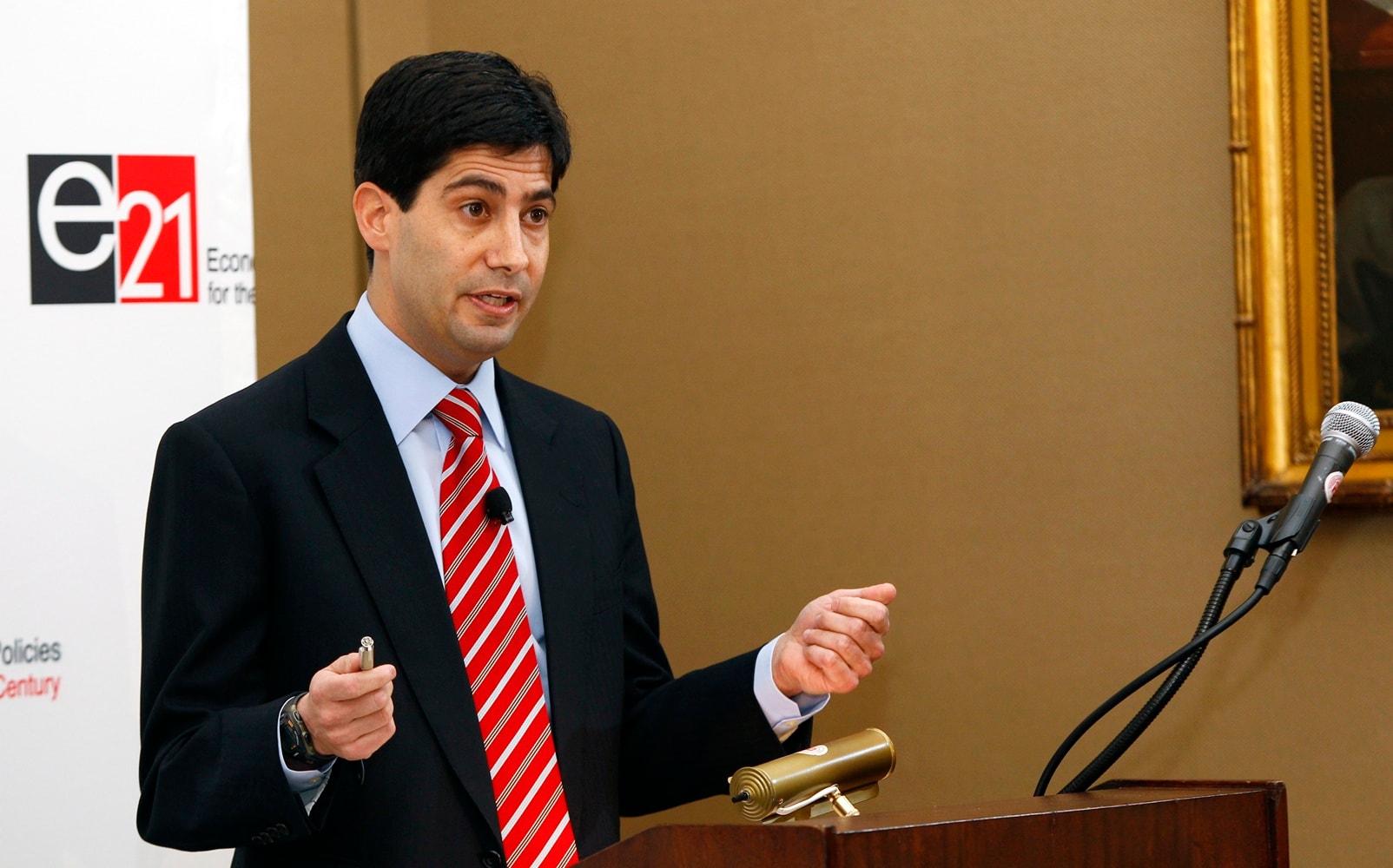
- The Warsh Factor: Trump’s nominee to replace Powell, Kevin Warsh, is an experienced hand who understands the stakes. However, Warsh himself once wrote an "Ode to Independence," arguing that a subservient Fed would lead to an "incalculable" cost to the economy.
- The Legislative Gridlock: Senator Thom Tillis and others have suggested they won't confirm a replacement until the DOJ investigation is settled. This creates a leadership vacuum where the Fed could be led by an "acting" chair, further destabilizing its credibility.
The Global Ripple Effect
The U.S. Dollar remains the world’s reserve currency because of trust in the American institutional framework. That trust rests on the idea that the person pulling the levers of the money supply isn't doing so to win an election or settle a personal score.
When that independence is threatened, the "risk-free rate" of the U.S. Treasury is no longer truly risk-free. Foreign central banks and sovereign wealth funds watch these skirmishes with a cold eye. If they perceive the Fed has been "captured," they will demand higher yields to hold American debt. This would paradoxically raise the very borrowing costs the President is trying to lower.
Breaking the Shield
The legal battle over "for cause" removal will likely end up before the Supreme Court. Recent rulings, such as Seila Law v. CFPB, have trended toward giving the President more power to fire heads of single-director agencies. However, the Fed is a multi-member board, a distinction the Court has previously used to protect agency independence.
The administration is betting that a conservative-leaning Court will favor a "unitary executive" theory, giving the President total control over all executive branch functions, including the printing of money.
This isn't a simple HR dispute in a marble building in D.C. It is a fundamental stress test of the American financial system. If the "for cause" barrier falls, the Federal Reserve becomes just another cabinet office, subject to the whims of whichever party holds the White House. The era of the technocrat is being replaced by the era of the loyalist, and the price of that transition will be paid in the purchasing power of the dollar.
The May 15 deadline is a tripwire. Whether Powell walks away or stays to fight determinedly through the courts, the shield has already been cracked. Investors and citizens alike should stop looking at the "dot plot" of interest rate projections and start looking at the legal briefs, because the most important variable for the economy right now isn't a number—it’s a definition of "cause."