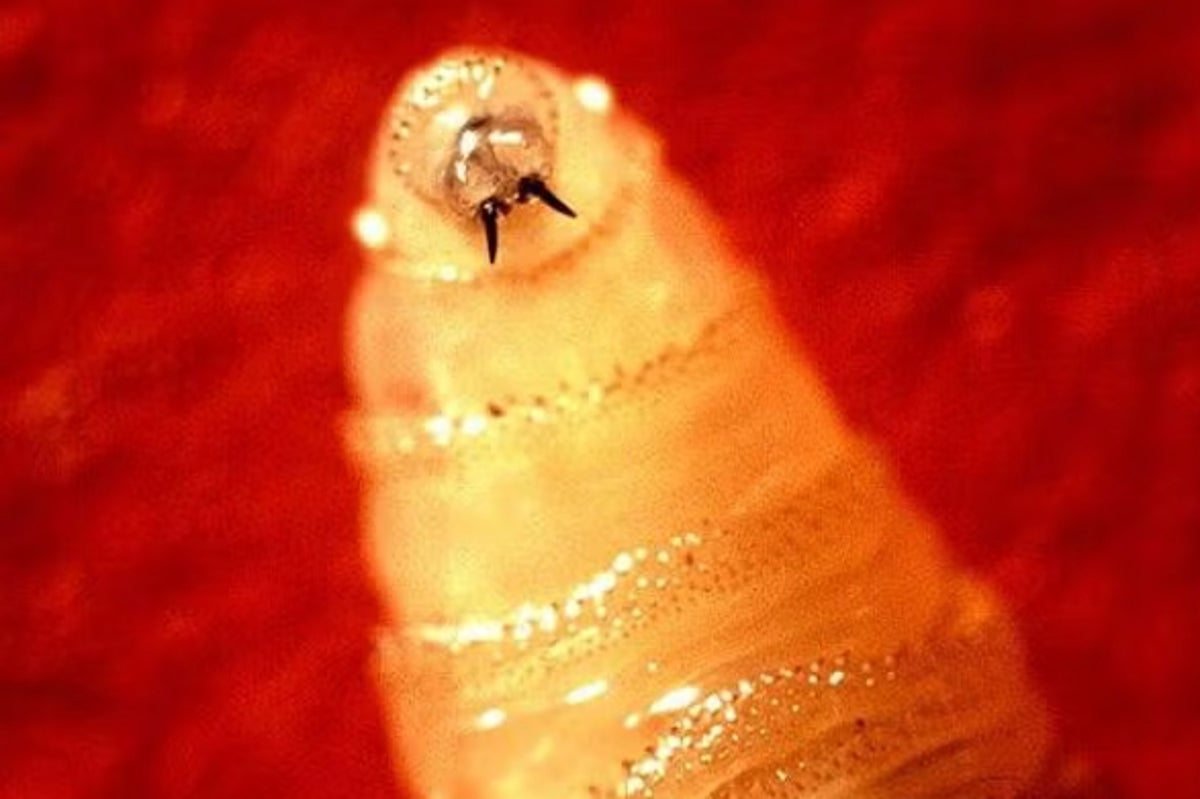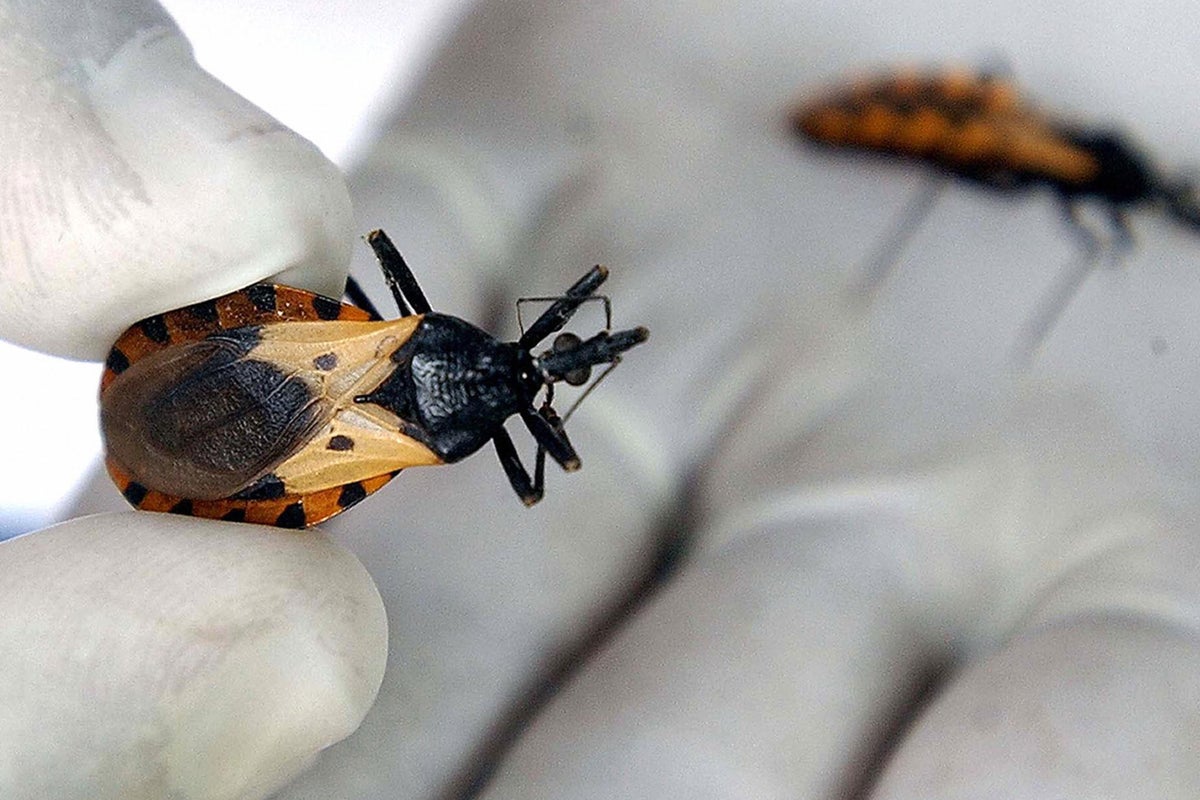
A quiet killer is moving through Texas backyards, and it does not look like a predator. It is a bug, roughly the size of a penny, with a distinctive orange-and-black pattern along its abdomen. For most pet owners, the "kissing bug" is a campfire ghost story until it arrives on their porch. When it bites, it often leaves behind more than a small welt; it deposits Trypanosoma cruzi, the parasite responsible for Chagas disease. This is no longer a tropical anomaly confined to Central or South America. It is a domestic reality that is currently killing dogs and threatening human health across the southern United States.
The tragedy of a Texas dog owner losing a healthy pet to Chagas is a narrative becoming uncomfortably common. The heartbreak is intensified by the fact that the disease is often a "stealth" infection. A dog might appear perfectly fine for months or even years while the parasite slowly destroys the heart muscle. By the time the animal shows signs of lethargy or fainting, the damage is usually irreversible. This is not a failure of the owners, but a failure of a fragmented surveillance system that has struggled to track the spread of the triatomine insects that carry the pathogen.
The Biology of a Stealth Infection
Understanding the threat requires looking past the bite itself. The name "kissing bug" comes from the insect’s habit of biting humans and animals near the mouth or eyes during the night. However, the bite does not transmit the disease. The parasite lives in the bug's digestive tract. After feeding on blood, the insect defecates near the wound. When the host scratches the bite, the infected feces are rubbed into the break in the skin or a mucous membrane.
Dogs face an even higher risk because of their behavior. They often find these bugs in their kennels or under porches and eat them. Ingesting an infected bug provides a direct route for the parasite to enter the bloodstream. Once inside, T. cruzi targets the heart and the digestive system, embedding itself in the cells and multiplying.
The initial phase of the disease is deceptive. A dog might have a brief fever or swollen lymph nodes, symptoms that look like a dozen other minor ailments. If the immune system doesn't clear the parasite, the infection enters a chronic stage. The heart becomes inflamed, leading to a condition called Chagasic cardiomyopathy. The heart grows weak and enlarged. Eventually, the electrical signals that govern the heartbeat fail, leading to sudden death or congestive heart failure.
Why the Surge is Happening Now
Researchers are seeing a measurable uptick in cases, and the reasons go beyond simple bad luck. Climate shifts are expanding the habitable range for triatomine bugs, pushing them further north and keeping them active for more months out of the year. Urban sprawl is another factor. As we push housing developments into previously wild Texas brush and scrubland, we are moving into the natural habitat of the woodrats and opossums that serve as the primary reservoirs for Chagas.
The bugs are not invading our space; we are building in theirs.
We also have better diagnostic tools than we did a decade ago. Veterinarians who once might have attributed a sudden canine death to "heart failure" are now testing for Chagas. This increased awareness creates a spike in reported data, but it also reveals a terrifying baseline of infection that was previously ignored. In certain parts of Texas, studies have shown that up to 20% of shelter dogs or working dogs may carry the parasite.
The Hidden Economic Burden
This is not just a veterinary crisis. The economic impact on cattle ranchers and breeders is significant. High-value working dogs—those used for herding or hunting—are often the most exposed because they spend their nights in outdoor kennels where kissing bugs thrive. Replacing a trained working dog costs thousands of dollars and months of labor.
For the average pet owner, the cost is emotional and financial. Treatment for Chagas is complicated. There is no FDA-approved vaccine for dogs, and the primary medications used to treat the parasite are difficult to obtain and can have harsh side effects. Managing a dog with chronic heart failure involves expensive medications, frequent ultrasounds, and the constant shadow of a sudden cardiac event.
The Human Connection
Public health officials are quick to point out that while Chagas is a major threat to dogs, it is also a "neglected tropical disease" in humans. The CDC estimates that more than 300,000 people in the United States are living with Chagas disease, though most were infected in other countries. However, "autochthonous" transmission—meaning the infection happened right here in the U.S.—is being documented more frequently.
The risk to humans in a standard suburban home is relatively low compared to dogs, mainly because our housing is better sealed. We have screens on windows and solid walls. Dogs, especially those kept outdoors or in screened porches, are much more accessible to the nocturnal insects. But the presence of infected bugs in a backyard means the risk is non-zero. If a bug can get to the dog, it can get to the person sleeping on the other side of the sliding glass door.
Protecting the Perimeter
The best defense against this parasite is a ruthless offense directed at the bugs' habitat. You cannot rely on a simple flea and tick collar to stop a kissing bug. These insects are hardy and often resistant to standard over-the-counter pesticides.
Eliminate nesting sites. The bugs love woodpiles, rock walls, and piles of leaves. If these are near your dog’s kennel or your home’s foundation, they are a standing invitation for an infestation. Move woodpiles at least 20 feet away from the house and elevate them off the ground.
Manage outdoor lighting. Kissing bugs are attracted to light. Using yellow "bug bulbs" or keeping outdoor lights off at night can reduce the number of insects drawn to your property. If your dog sleeps in a kennel, ensure it is raised off the ground and away from dense vegetation.
Chemical barriers. Professional pest control can apply residual insecticides around the perimeter of the home and kennel areas. This is not a one-time fix. It requires a consistent schedule to be effective, particularly during the peak activity months of May through October.
The Diagnostic Gap
The most frustrating aspect of the Chagas crisis is the window of missed opportunity. Most pet owners do not know to ask for a Chagas test during a routine check-up. By the time a dog shows symptoms, the parasite has already done its work on the heart tissue.
Veterinary medicine needs to shift toward proactive screening in high-risk areas like Texas, Arizona, and New Mexico. A simple blood test can detect antibodies to T. cruzi. While catching it early doesn't guarantee a cure, it allows for lifestyle changes and cardiac monitoring that can extend a dog's life significantly.
We must also confront the reality of the medication pipeline. The drugs used to treat Chagas, such as benznidazole, are often restricted or hard to source for veterinary use. This creates a "gray market" or forces owners to jump through bureaucratic hoops while their pet's health declines.
A Landscape of Risk
There is a tendency to want a simple solution—a pill or a spray that makes the problem go away. But Chagas is a complex ecological issue. It involves the interaction of wildlife, insect vectors, climate, and human development. It is a reminder that our health and the health of our animals are inextricably linked to the environment around us.
If you live in the South, go outside tonight with a flashlight. Look at the cracks in your porch and the spaces under your siding. If you see a bug with a flat, oval body and orange markings, do not touch it with your bare hands. Trap it in a jar and send it to a university lab or your local health department for testing. Your dog's life, and perhaps your own awareness of the risk in your own backyard, depends on identifying the threat before it strikes.
Stop thinking of Chagas as a foreign problem. It is a local one, and it is hiding in the shadows of the porch light.