The maritime world is holding its breath as three commercial tankers have begun a high-stakes transit of the Strait of Hormuz, directly challenging a United States-led naval blockade. This move represents the first significant physical pushback against the recently imposed restrictions on regional energy flows. These vessels are not just moving oil; they are testing the limits of American maritime enforcement and the tolerance of global markets for a total supply shutdown. If they pass, the blockade is effectively paper-thin. If they are seized or turned back, the global energy supply chain faces a structural shock not seen since the 1970s.
The Chessboard of the Choke Point
The Strait of Hormuz is a narrow strip of water that dictates the rhythm of the modern world. It is the only sea passage from the Persian Gulf to the open ocean, with roughly 20 percent of the world’s liquid petroleum passing through its waters daily. When the United States flagged a blockade, the intent was to choke off specific revenue streams and reassert regional dominance. However, the arrival of these three tankers—operating under complex ownership structures and flying flags of convenience—shifts the situation from a diplomatic dispute to a tactical confrontation.
Naval blockades are rarely about the ships themselves. They are about the insurance markets and the legal precedents that govern international waters. By attempting this transit, the operators of these tankers are betting that the U.S. Navy will hesitate to use kinetic force against civilian-manned vessels. This is a gamble on the optics of modern warfare. A single shot fired in the Strait could send Brent Crude prices soaring toward $150 a barrel within hours, a reality that the current administration in Washington is desperate to avoid.
Beyond the Surface Narrative
The official reason for the blockade centers on security and non-proliferation, but the undercurrents are purely economic. The U.S. is leveraging its naval superiority to force a realignment of energy buyers. For the owners of these three tankers, the risk is calculated. The premiums for "war risk" insurance have already spiked by over 400 percent in the last week. Whoever is financing these voyages is prepared to lose the hull for the sake of the cargo’s delivery. This suggests that the entities behind the transit are likely state-backed or acting as proxies for nations that cannot afford to have their energy lifelines severed.
The Mechanics of Enforcement
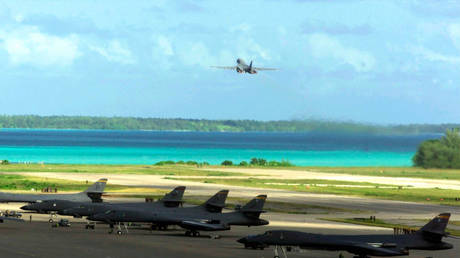
Maintaining a blockade in a body of water as congested as the Strait of Hormuz is a logistical nightmare. It isn't just about parking a destroyer in the middle of the lane. It requires a constant, 24-hour cycle of aerial surveillance, electronic warfare to jam transponders, and "visit, board, search, and seizure" (VBSS) teams ready to drop from helicopters.
The U.S. 5th Fleet has shifted assets from the Red Sea to bolster its presence, but the geography favors the bold. The shipping lanes are narrow. If a tanker ignores a "heave-to" order, the Navy is left with a binary choice: let it pass and look weak, or disable the vessel and create an environmental and diplomatic catastrophe.
- Electronic Spoofing: Recent reports indicate that the tankers may be using sophisticated AIS (Automatic Identification System) manipulation. By projecting false locations or mimicking the signatures of neutral fishing vessels, they aim to slip through the dragnet.
- The Escort Factor: While no foreign warships are currently visible alongside the tankers, the presence of "shadow" assets—unmarked patrol boats or long-range drone cover—cannot be ruled out.
The Role of Shadow Fleets
For years, a "shadow fleet" of aging tankers has operated outside the bounds of traditional maritime law. These vessels often have no clear beneficial owner, use fraudulent classification societies, and engage in ship-to-ship transfers in the middle of the night. The three tankers currently in the Strait are the vanguard of this system. They represent a decentralized resistance to the dollar-based financial system that underpins American sanctions.
By utilizing these "ghost" ships, regional powers can maintain a degree of plausible deniability. If a ship is seized, the state can claim it was a private commercial venture. If it succeeds, the oil reaches its destination, and the blockade's credibility is eroded. This is a war of attrition played out in knots and nautical miles.
The Economic Aftershocks
Market analysts often talk about "geopolitical risk" as an abstract concept. In the Strait of Hormuz, it is as concrete as steel. The primary concern for global markets is not just the loss of the oil on these three ships, but the precedent their journey sets. If the blockade is successfully challenged, it signals to every other producer in the Gulf that the U.S. can no longer guarantee its "freedom of navigation" mandate.
The global economy is currently built on the assumption of cheap, reliable transit through these waters. If that assumption dies, the cost of everything from plastic to jet fuel must be recalculated. We are seeing a move away from "just-in-time" delivery to a "just-in-case" hoarding mentality among major Asian and European importers.
Why Diplomacy is Stalled
Traditional diplomacy fails when the objectives are existential. For the U.S., the blockade is a tool to prevent a shift in the regional balance of power. For the nations defying it, the blockade is an act of economic warfare that threatens their internal stability. There is no middle ground when one side views the status quo as a slow-motion collapse.
The three tankers are effectively a "stress test" for the international community. European allies are notably silent, caught between their reliance on U.S. security guarantees and their desperate need for stable energy prices. This silence is as loud as the roar of the tankers’ engines.
The Tactical Reality of Interception
If the U.S. decides to board these ships, it must be done with surgical precision. A botched boarding that results in casualties or a spill would turn international opinion against the blockade overnight.
Modern VBSS operations involve highly trained SEAL or Marine units. They fast-rope onto the deck, take control of the bridge, and shut down the engines. However, tanker crews have learned to adapt. Some vessels have been "hardened" with razor wire, reinforced doors, and water cannons to delay boarding just long enough for the ship to reach territorial waters where the U.S. lacks the legal authority to act.
The Problem of Sovereign Waters
The Strait of Hormuz is not the high seas. It consists of the territorial waters of Iran and Oman. Under the United Nations Convention on the Law of the Sea (UNCLOS), ships enjoy the right of "transit passage," which is more permissive than "innocent passage." The U.S. position is that the blockade is a necessary security measure that supersedes standard transit rights. This legal gray area is where the current conflict lives.
The three tankers are currently hugging the coastline, staying as close to recognized territorial limits as possible to complicate the U.S. Navy’s rules of engagement. It is a game of inches played with 300,000-ton behemoths.
Looking Through the Fog
We are entering a period where the traditional rules of the sea are being rewritten in real-time. The outcome of this specific standoff will determine the viability of maritime blockades as a tool of statecraft in the 21st century. If three tankers can break a blockade through sheer persistence and sophisticated cloaking, the era of naval dominance as a primary diplomatic lever is over.
The crew on those tankers are likely terrified, but they are also well-paid. The financiers are calculated. The naval commanders are frustrated. Everyone is waiting for the other side to blink. The reality of the situation is that neither side can afford to lose this confrontation. This isn't just a news story about ships in a strait; it is the opening chapter of a fundamental shift in how global power is projected and resisted.
The world is watching the radar pings, waiting to see if they continue past the Musandam Peninsula or if they simply disappear. Either way, the Strait of Hormuz will never be the same. The precedent is being set today, and the cost of entry into these waters just went up for everyone.
The tankers have just crossed the first waypoint. The next twelve hours will tell us if the blockade is a wall or a sieve.