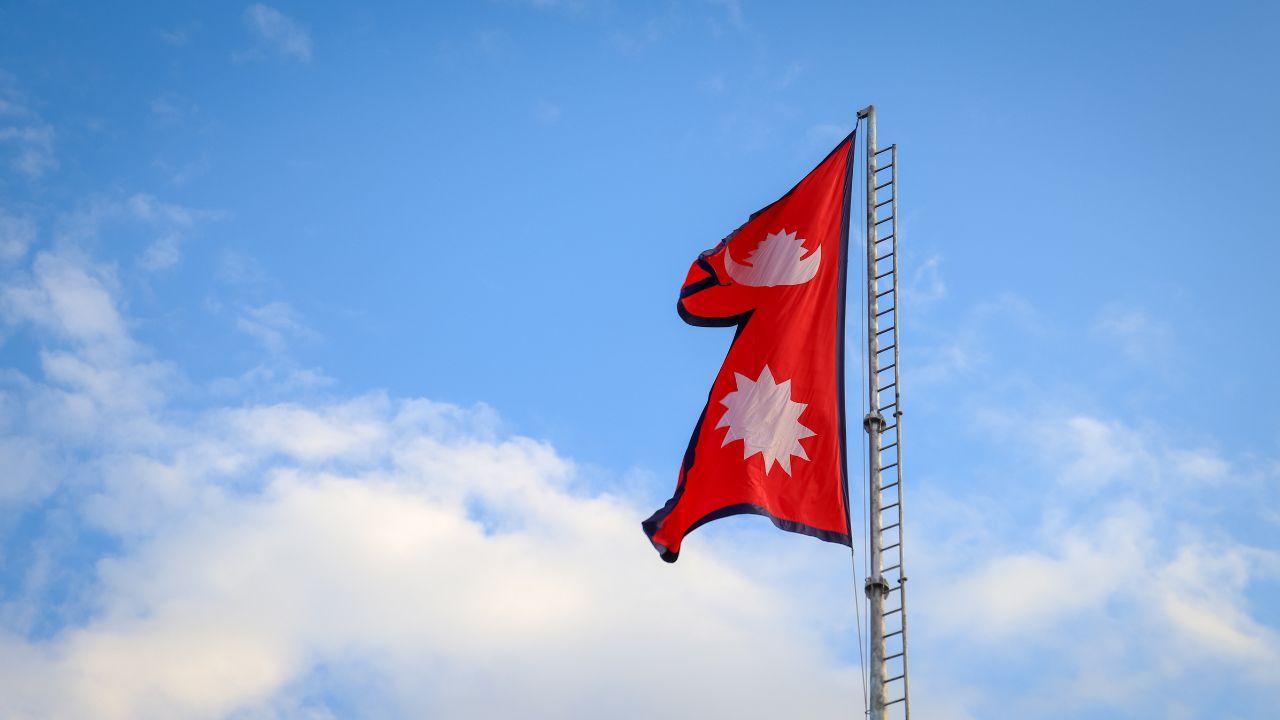
The transit of 20 Pakistani-flagged vessels through the Strait of Hormuz under Iranian authorization is not a routine maritime clearance; it is a calculated recalibration of regional leverage. This movement occurs at the intersection of energy security, naval brinkmanship, and the shifting "Middle Corridor" trade dynamics. To understand the implications of this clearance, one must look past the surface-level diplomatic gesture and analyze the structural mechanics of Iranian maritime policy and Pakistan’s tactical dependence on the Persian Gulf.
The Strait of Hormuz acts as the primary global energy bottleneck, with approximately 20% of the world’s daily oil consumption transiting its waters. In this environment, "permission" is the currency of sovereignty. When Iran grants safe passage to a specific fleet, it is not merely adhering to the United Nations Convention on the Law of the Sea (UNCLOS). Instead, it is exercising a "Selective Transit Framework"—a policy where maritime security is treated as a bilateral negotiation rather than a universal right.
The Three Pillars of Iranian Maritime Leverage
Iran’s decision-making regarding the Strait of Hormuz is governed by three distinct strategic pillars. These pillars dictate when the Islamic Revolutionary Guard Corps Navy (IRGCN) chooses to intervene or permit transit.
- The Sovereignty Signal: By explicitly "allowing" Pakistani vessels, Iran reinforces its claim to de facto control over the shipping lanes. Even if these vessels are technically in international waters or exercising "innocuous passage," the public acknowledgment of permission serves as a psychological assertion of territorial dominance.
- Economic Interdependency as a Shield: Pakistan remains a critical neighbor for Iran, particularly as a potential market for sanctioned Iranian gas and electricity. By facilitating Pakistani trade, Iran secures a level of diplomatic insulation against total regional isolation.
- Escalation Management: In the context of ongoing tensions with Western naval coalitions (such as Operation Prosperity Guardian in the Red Sea), Iran uses "Safe Zones" or "Favored Partner" statuses to create a fragmented maritime environment. This forces global shipping companies to choose between the protection of Western navies or the diplomatic clearance of regional powers.
The Cost Function of Pakistani Maritime Security
Pakistan’s reliance on the Strait of Hormuz is absolute. With a massive energy deficit and a burgeoning population, the Karachi and Gwadar ports require uninterrupted access to Gulf oil. The "Cost Function" for Pakistan in this scenario is not just the price of freight, but the "Risk Premium" of transit.
When 20 ships are granted specific clearance, the immediate effect is a reduction in insurance premiums for those specific hulls. However, the long-term structural cost is a heightened political debt to Tehran. Pakistan must balance this maritime favor against its sensitive relationship with Saudi Arabia and its "Major Non-NATO Ally" status with the United States.
The mechanism of this transit involves a delicate synchronization of naval protocols. Pakistani-flagged vessels must adhere to specific "Pre-Notification" requirements that go beyond standard AIS (Automatic Identification System) broadcasts. This creates a precedent where maritime safety is contingent upon political alignment rather than international law.
Analyzing the "Middle Corridor" Disruption
The broader context of this 20-ship transit involves the shifting geography of Eurasian trade. As the Red Sea becomes increasingly volatile due to Houthi activity, the Persian Gulf and the overland routes through Iran and Pakistan gain relative value.
- The North-South Transport Corridor (INSTC): This multimodal route connects India to Russia via Iran. Pakistan’s involvement in Gulf transit through Iranian-controlled waters suggests a potential "pivot to the east" where regional powers attempt to bypass traditional Western-led maritime security architectures.
- The Gwadar-Chabahar Paradox: While the ports of Gwadar (Pakistan) and Chabahar (Iran) are often viewed as competitors, the clearance of these 20 ships indicates a pragmatic cooperation. If Pakistani ships can navigate the Strait without harassment, it increases the viability of the entire regional network.
The bottleneck here is not physical; it is regulatory. The Strait of Hormuz at its narrowest point is 21 miles wide, with shipping lanes only two miles wide in each direction. The constraint is the "Threat-to-Transit" ratio. Iran maintains a high-density footprint of fast-attack craft and coastal missile batteries. This creates a "Denial of Access" capability that makes diplomatic clearance the only reliable way to ensure the safety of commercial assets.
Strategic Fault Lines: Fact vs. Hypothesis
It is essential to distinguish the verified operational shifts from the speculative geopolitical outcomes.
Known Facts:
- The IRGCN maintains the capability to seize or divert vessels at will, as evidenced by the 2023 seizures of the Advantage Sweet and Niovi.
- Pakistan’s energy security is tied to the stability of the Gulf, as it imports over 30% of its crude oil from the region.
- The 20-ship transit was a negotiated outcome, not a random occurrence of standard passage.
Hypotheses:
- This move may signal the beginning of a formal "Maritime Security Pact" between Tehran and Islamabad, potentially including joint patrols.
- The clearance could be a "Quid Pro Quo" for Pakistani neutrality in the event of further escalations between Iran and Israel.
- There is a possibility that this transit protocol will be extended to other "Friendly Nations," creating a tiered system of maritime rights in the Strait.
The Operational Architecture of Passage
The actual transit of these 20 ships follows a rigorous technical workflow. It begins with the Iranian Maritime Organization issuing "Navigational Warnings" or "Safe Conduct Certifications." This is followed by a hand-off between the Pakistan Navy’s protection vessels (if present) and the Iranian surveillance net.
The second limitation of this arrangement is its fragility. A "Selective Transit" model is inherently unstable because it relies on the continuity of the current political regime. If a border skirmish occurs—as seen in the brief 2024 missile exchanges between Iran and Pakistan—these maritime "permissions" can be revoked instantly. This makes the "Risk of Revocation" a permanent line item on the balance sheet of any shipping firm operating under this agreement.
Furthermore, the involvement of "Pakistani-flagged" ships specifically highlights a shift toward sovereign-controlled shipping. Private international carriers (Maersk, MSC, etc.) do not enjoy this level of bilateral protection. This creates a two-tier shipping market:
- Sovereign-Protected Cargo: Lower risk, politically contingent, limited to specific flags.
- International Commercial Cargo: Higher risk, dependent on Western naval escorts (CMS), subject to IRGCN harassment.
Tactical Recommendation for Regional Stakeholders
For maritime logistics firms and energy importers, the move by Iran to clear Pakistani ships provides a blueprint for "De-Risking via Diplomacy." However, this is a trap for the unwary. Relying on a regional power’s permission rather than international law creates a precedent that undermines the Freedom of Navigation (FON) principles.
The strategic play for Pakistan is to use this window of "Authorized Transit" to stockpile energy reserves while simultaneously diversifying its transit routes. Relying on Iranian goodwill is a high-risk strategy given the volatility of the Tehran-Washington-Riyadh triangle.
For the international community, the observation is clear: the Strait of Hormuz is no longer a "Global Commons." It has become a "Regulated Access Zone" where the regulator is Iran, and the currency is political alignment. The transit of these 20 ships confirms that Iran is moving from a strategy of "Total Closure Threats" to a more sophisticated "Granular Control" of the world's most vital waterway.
The final strategic move for regional players is the formalization of these bilateral transit agreements into a "Multilateral Maritime Coordination Center" that excludes Western influence. If Iran successfully replicates this Pakistani protocol with other regional powers, the era of Western-guaranteed maritime security in the Gulf will be functionally over, replaced by a complex web of bilateral "Permissions to Pass."