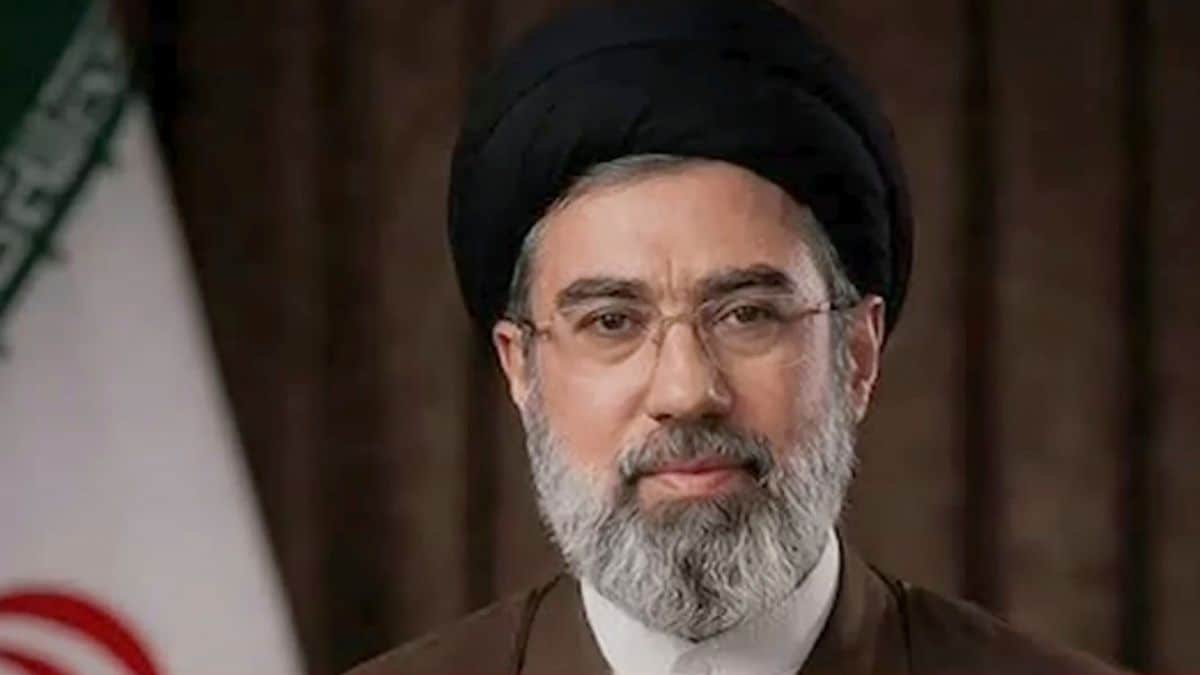
The Persian New Year, or Nowruz, usually brings a sense of renewal and celebration. But this year, Ayatollah Ali Khamenei used his televised address to signal something much grittier. He didn't just offer the standard holiday well-wishes. Instead, he painted a picture of a nation that has stared down its "enemies" and come out on top. It's a bold claim. It's also a window into how the Iranian leadership views its current standing on the global stage.
If you're watching the Middle East right now, you know the stakes are high. Tensions with the West aren't just simmering; they're boiling. Khamenei’s message was a direct response to years of economic sanctions and political pressure. He essentially told the world that the "maximum pressure" campaign from Washington hasn't worked. He called it a defeat for those trying to destabilize the country. Whether you agree with that assessment or not, his words carry weight because they set the tone for Iran's policy in the coming year.
Breaking Down the Defeated Enemy Narrative
Khamenei’s speech centered on the idea that external plots to trigger a collapse in Iran have failed. This isn't just rhetoric for the sake of a holiday. It’s a calculated move to project strength to both his domestic base and his international critics. He pointed to the survival of the Iranian economy despite being cut off from much of the global financial system.
The "enemy" in this context is almost always a reference to the United States and its allies. By claiming victory, the Supreme Leader is trying to shift the conversation from what Iran has lost to what it has managed to keep. He mentioned that the plots involving psychological warfare and economic blockades didn't achieve their goal of turning the Iranian people against the government.
It’s a tough sell for many Iranians who are dealing with high inflation and a devalued currency. Yet, from a geopolitical standpoint, the Iranian leadership sees itself as a survivor. They've built a "resistance economy" that relies more on regional trade and internal production than on Western markets. This shift is a massive part of why Khamenei feels confident enough to use words like "defeated."
Economic Targets and the Production Leap
One of the most specific parts of the address was the focus on the economy. Every year, the Supreme Leader gives the new year a theme. This year, it’s about "Production Leap with People's Participation." It sounds like a mouthful, but the logic is pretty simple. He wants to move away from state-run industries and get more private citizens involved in the economy.
He’s basically admitting that the government can't do it all. To beat sanctions, Iran needs a more dynamic, grassroots economic engine. Here’s what that looks like in practice:
- Reducing reliance on oil exports by boosting local manufacturing.
- Encouraging tech startups and knowledge-based companies.
- Trying to lure domestic capital back into the market instead of seeing it flee to real estate or foreign assets.
The problem? Corruption and bureaucracy. Khamenei can call for a production leap all he wants, but if the average entrepreneur is buried in red tape or competing against state-aligned giants, it’s not going to happen. He acknowledged that there are hurdles. He urged officials to clear the path for the public to invest. If they actually pull this off, it would be a huge shift. If not, it’s just another slogan.
Regional Influence and the Gaza Shadow
You can't talk about Iran in 2026 without talking about the broader region. While the speech was focused on the New Year, the underlying theme of regional "resistance" was everywhere. Khamenei’s defiance is fueled by what he sees as a changing tide in the Middle East.
The ongoing conflict in Gaza and the actions of the "Axis of Resistance" have given Tehran a sense of leverage. In his view, the West is distracted and overextended. This gives Iran more room to breathe. He’s betting that the world is becoming multipolar. He thinks the era where the U.S. could dictate terms in the Middle East is over.
This isn't just a hunch. We've seen Iran strengthen ties with China and Russia. They're joining groups like BRICS and the Shanghai Cooperation Organization. These aren't just symbolic memberships. They're lifelines. They provide the "strategic depth" that Khamenei believes has made the enemy's efforts futile.
The Gap Between Rhetoric and Reality
It's easy to look at these speeches and see a leader out of touch. After all, the "enemy" doesn't look particularly defeated when you look at the sheer scale of sanctions still in place. But that’s missing the point of how power works in Tehran.
Khamenei isn't just talking to us. He's talking to the Iranian military, the bureaucracy, and the loyalists. He needs them to believe that the hard path they’ve taken is paying off. If he admits the sanctions are crushing the country, he admits his strategy failed. By framing it as a victory of "will," he keeps the momentum going.
The reality is somewhere in the middle. Iran hasn't collapsed, but it’s certainly bruised. The "defeat" of the enemy is more about the failure of the West to force a total regime change or a complete nuclear surrender. In that narrow sense, he’s right. Iran is still standing.
What Happens Now
If you're looking for what this means for the rest of the year, expect more of the same. There’s no sign of a diplomatic thaw. The emphasis on "people’s participation" in the economy suggests the government is going to try to offload some of the economic burden onto the private sector.
Keep an eye on how the Iranian government handles domestic dissent. By claiming the enemy is defeated, they’re also signaling that internal protests will be framed as foreign-backed interference. It’s a way to justify a hard line on security.
The next step for anyone following this is to watch the actual implementation of the new economic policies. If the Iranian government actually starts dismantling the monopolies held by state-linked organizations, that’s a real story. If they don't, then this Nowruz message was just another chapter in a long-running playbook of defiance. Watch the inflation numbers and the exchange rate of the Rial. Those are the real indicators of whether the "enemy" is actually losing or if the Iranian people are still the ones bearing the cost.


