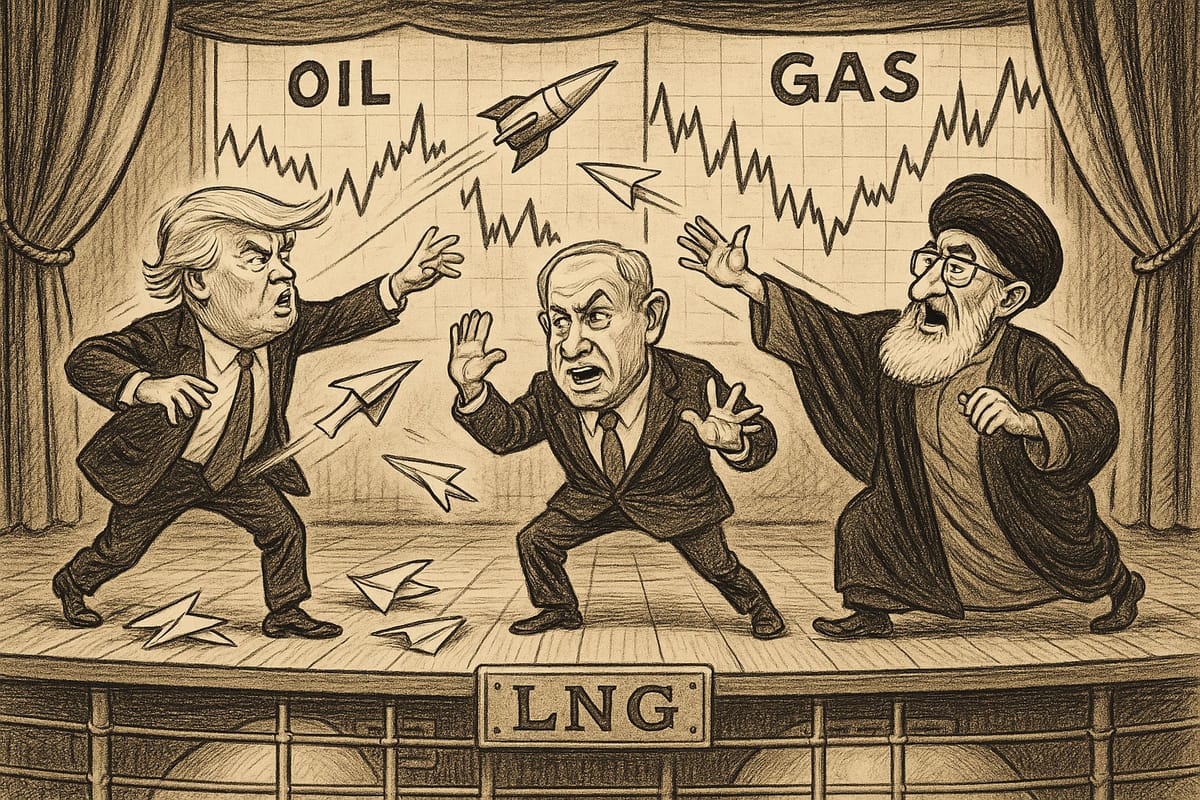
Donald Trump just flipped the script on his own "48-hour" ultimatum. Instead of turning Iran’s power grid into a memory, he’s giving Tehran a 10-day breather. He says it’s because they asked nicely. He also says talks are "going very well," even though the official word out of Iran is a bit more complicated.
This isn’t just a scheduling change. It’s a massive shift in a conflict that’s been red-lining for weeks. If you’ve been watching the headlines, you know the U.S. and Israel have been hammering Iranian infrastructure since late February. Now, we’ve got a pause until April 6, 2026, at 8:00 P.M. Eastern Time.
The Art of the Extension
Trump didn't just wake up and decide to be patient. According to his own Truth Social posts and a chat with Fox News, Iran supposedly asked for a seven-day window to talk things through. Trump, in classic fashion, decided to one-up them by giving them ten. Why the extra three days? He claims it's a reward for Iran letting ten oil tankers pass through the Strait of Hormuz as a "present."
The timeline here is key. Last Saturday, the threat was "obliterate the power plants" unless the Strait opened within 48 hours. By Monday, that became a five-day delay. Now, we’re looking at a full ten-day pause on "Energy Plant destruction." It’s a carrot-and-stick routine where the carrot is "we won't bomb you today" and the stick is "we might bomb you on April 7."
What Is Actually on the Table
While the President is talking about "presents" and "very good conversations," his envoy Steve Witkoff is doing the heavy lifting. The U.S. has reportedly handed over a 15-point peace proposal via Pakistani mediators.
Don't expect a simple "sorry" from either side. This plan is aggressive. We’re talking about:
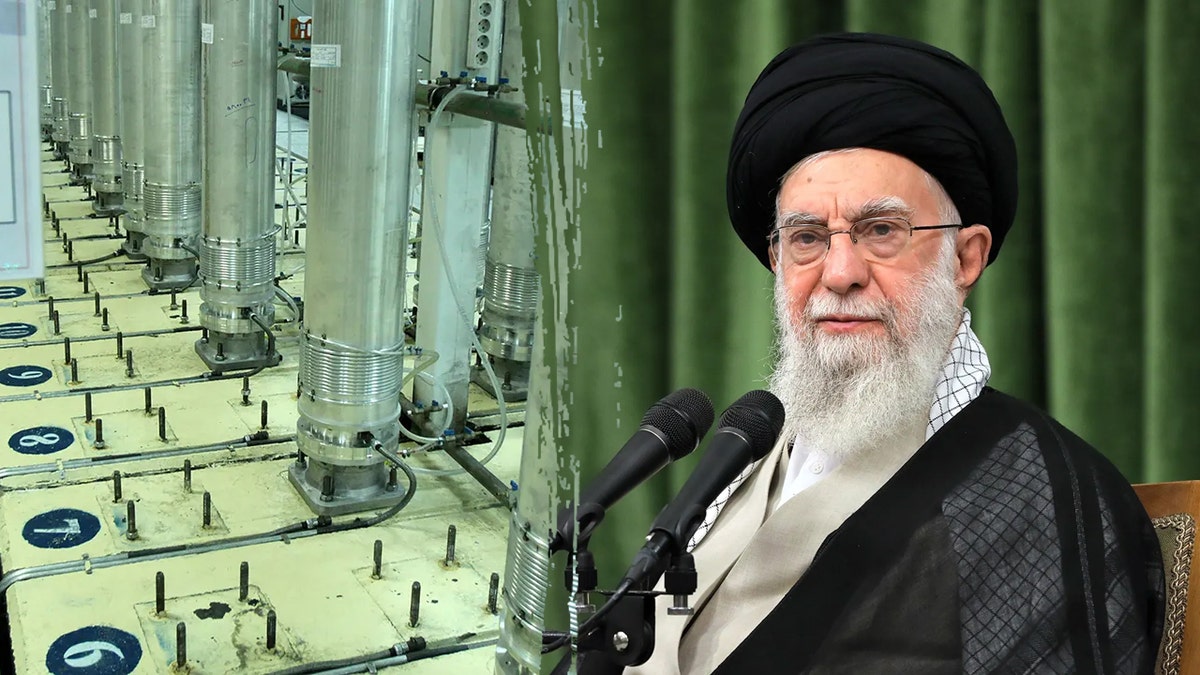
- Total dismantling of Iran’s nuclear program.
- Strict curbs on ballistic missiles.
- Relinquishing control over the Strait of Hormuz.
- Stopping support for regional groups like Hezbollah.
Iran’s response? It’s not a "yes." Their state media, Tasnim, says they’ve sent back a counter-proposal that basically asks for the opposite: an end to all strikes, war reparations (yes, they want to be paid), and formal recognition of their authority over the Strait. It's a massive gap. Trump says they’re "begging" for a deal because they’ve been "beat to sh--," but the diplomats on the ground aren't popping champagne yet.
The Economic Pressure Cooker
If you’re wondering why this matters to you, look at the gas pump or your heating bill. Since this war kicked off on February 28, crude oil prices have jumped about 40%. The Strait of Hormuz is the world's most important oil chokepoint. When it closes, the global economy starts to choke.
Trump knows this. With midterm elections lurking on the horizon, he can’t afford $7-a-gallon gas or skyrocketing inflation. The "pause" gives the market a second to breathe, but the uncertainty is still killing the stock market. Investors hate a deadline, and April 6 is a very big, very loud deadline.
Is This a Real Peace or Just a Reload
There’s a lot of skepticism in Washington. While Trump talks about peace, the Pentagon is still moving thousands of troops into the Middle East. It looks less like a ceasefire and more like a tactical reset.
Opposition leaders in Israel, like Yair Lapid, are sounding the alarm too. They’re worried the IDF is stretched too thin across multiple fronts. This 10-day window might be as much about giving allied forces time to regroup as it is about giving Iran time to surrender.
Trump even teased the "Venezuela option"—suggesting the U.S. could just take control of Iran's oil resources entirely. "That could be an option," he said during a Cabinet meeting. It's the kind of statement that makes diplomats cringe and oil markets panic.
What You Should Watch For Next
The next 240 hours are going to be a frenzy of backchannel messages through Islamabad and Ankara. Don't look at the official statements; look at the Strait. If more tankers move through, the "goodwill" is real. If the rhetoric from Tehran stays defiant, that April 6 deadline is going to arrive very fast.
Keep an eye on these specific markers:
- Tanker Volume: If the number of ships through the Strait increases, a deal is likely in the works.
- Regional Strikes: Even if energy plants are safe for 10 days, watch for strikes on other military targets.
- Fuel Surcharges: Shipping companies are already adding costs; if these don't drop during the pause, expect higher prices for everything soon.
Don't get too comfortable with the silence. The "period of Energy Plant destruction" is only on pause, not canceled. If you’re a business owner or an investor, now’s the time to hedge against another energy spike. The clock is ticking toward 8:00 P.M. on April 6.