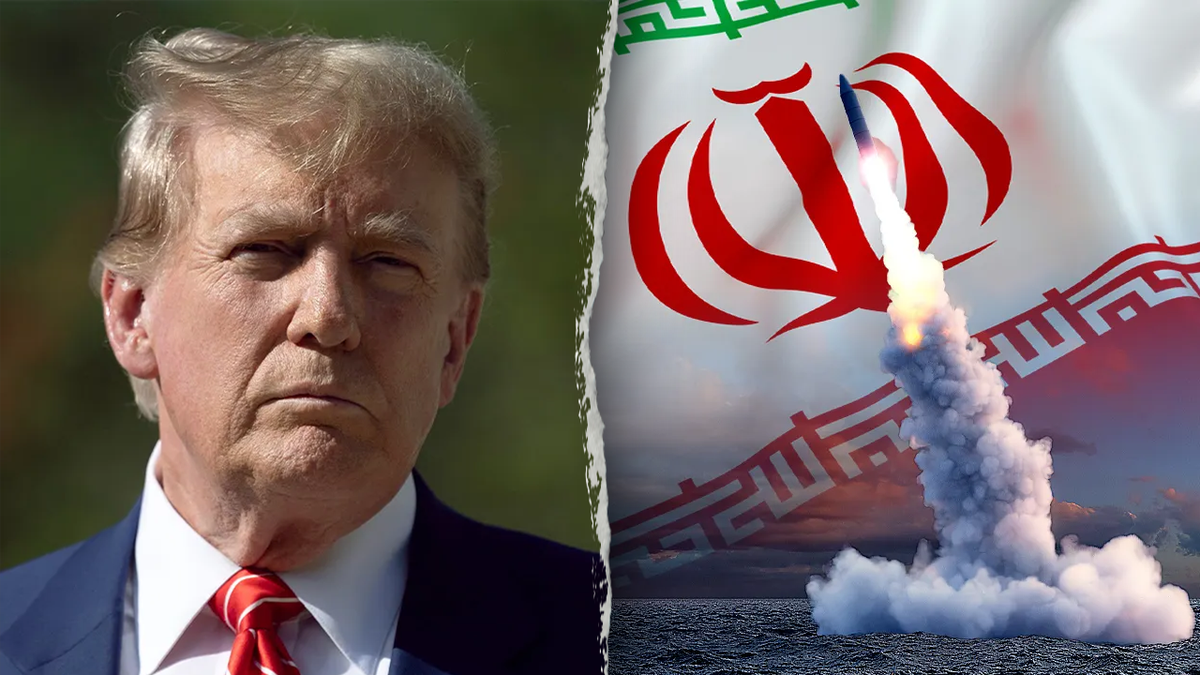
If you thought the 2026 World Cup would be a simple summer of soccer, you haven't been paying attention to the news lately. On March 12, 2026, Donald Trump tossed a massive political grenade into the middle of the pitch. He posted on Truth Social that while Iran’s national team is technically "welcome" at the tournament, it probably isn't "appropriate" for them to show up. Why? For their own "life and safety."
It's a bizarre, thinly veiled warning that has the sports world and diplomats alike scrambling for a translator. Iran didn't wait long to fire back. Their national team essentially told the U.S. President to stay in his lane. They reminded him—and the world—that the World Cup belongs to FIFA, not the United States government.
The Battle for the Pitch
You've got to understand the timing here. Just two days before this post, FIFA President Gianni Infantino was at the White House. He walked out telling everyone that Trump had personally assured him Iran would be welcome. Then, the vibe shifted. Fast.
The Iranian football federation didn't just issue a polite "no thank you." They went on the offensive. On their official Instagram, the team argued that if a host country can't guarantee the safety of the players, then maybe that country shouldn't be the host at all. It’s a bold move. They’re basically calling out the U.S. for failing at its primary job as a tournament organizer: security.
- Trump’s Stance: Suggests Iran should skip the event for "safety" reasons.
- Iran’s Stance: Asserts that qualification was earned on the field and only FIFA can exclude them.
- The Conflict: Recent U.S. and Israeli airstrikes on Iran have turned a sporting event into a geopolitical powder keg.
Who Actually Runs the Show?
Legally, the Iranian team is right. FIFA’s own statutes are obsessed with "political neutrality." In theory, a host nation can't just pick and choose which qualified teams get to walk through the door. If the U.S. tried to officially block Iran, FIFA would technically have to pull the tournament or face a massive legal meltdown.
But theory doesn't stop a president from making life difficult. Iran's sports minister, Ahmad Donyamali, has already hinted that the country might boycott anyway. He cited the "extreme insecurity" created by recent military actions. So, you have a situation where the players want to play to prove their "strength and decisive victories," while their government is looking at the exit door, and the host president is basically telling them to stay home.
What Happens if Iran Actually Pulls Out?
If Iran decides to follow through on the boycott threats, or if the "safety" concerns Trump mentioned become a reality, the tournament takes a huge hit. Iran is a powerhouse in Asian soccer. They didn't get here by accident; they topped Group A and were among the first to qualify.
We’re not talking about a small team. Iran is ranked in the top 20 globally. Their presence in cities like Los Angeles and Seattle was expected to draw massive crowds. If they vanish from the schedule, FIFA has a nightmare on its hands. They’d have to find a replacement team—likely the next highest-ranked team from the Asian qualifiers—on incredibly short notice.
The Canceled Arizona Camp
The logistics are already falling apart. Iran had picked the Kino Sports Complex in Tucson, Arizona, as their home base. Think about the money and planning involved in that. Local businesses in Tucson were counting on that revenue. Now, that’s all in limbo. Iran was even the only team missing from a major FIFA planning summit in Atlanta last week. That’s a massive red flag.
Why This Matters More Than Just a Game
This isn't just about 22 guys chasing a ball. It’s about whether sports can actually remain separate from war. We saw Russia get banned after the invasion of Ukraine. Now, the shoe is on the other foot with the U.S. being the host and a primary actor in a regional conflict.
The Iranian team’s response—"no one can exclude us"—is a cry for the autonomy of sport. They’re standing on the fact that they won their games. They did their job. But when the president of the host nation starts talking about "life and safety" risks, it's hard to focus on a 4-4-2 formation.
Honestly, the "safety" remark feels like a threat without being an official policy. It creates a cloud of fear that might do the work of a ban without the legal headache of actually issuing one. It’s a classic power play.
The Road to June 11
The tournament starts in June. We’re currently in March. That's not a lot of time to fix a broken diplomatic relationship. FIFA has given itself until the annual Congress in Vancouver on April 30 to settle the "Iran question."
If you're a fan, keep your eyes on the official FIFA announcements, not just social media posts. The real power move happens in the meeting rooms in Zurich and Vancouver, not on Truth Social.
If you're worried about your tickets for the matches in Inglewood or Seattle, don't panic yet. But you should probably have a backup plan. The situation is moving fast, and as we've seen, a single post can change the entire landscape of the tournament.
Check the official FIFA 2026 match schedule and look for any "TBD" or "Replacement" placeholders in Group G. If those appear, you'll know the boycott is official.