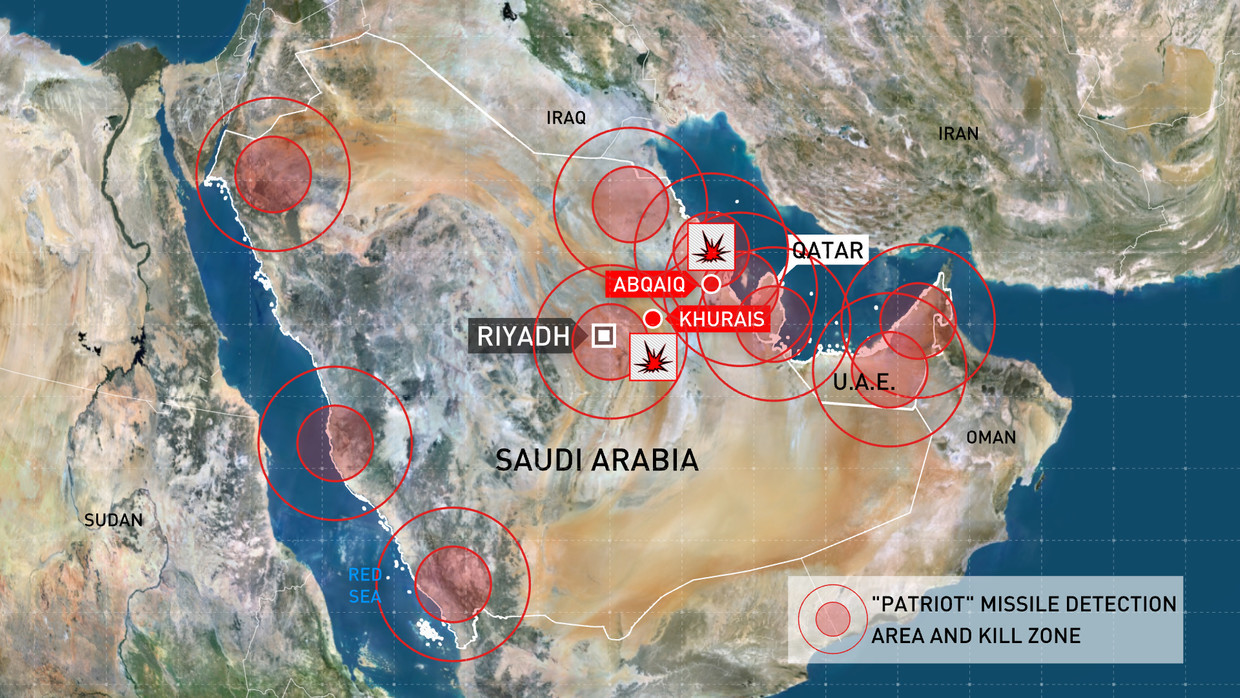
The night sky over the Emirates hasn't been this loud in decades. If you’ve lived in Dubai or Abu Dhabi long enough, you’re used to the hum of construction and the roar of supercars, but the recent thunder of interceptions is something else entirely. Since late February 2026, the UAE has found itself in the crosshairs of a massive, unprovoked aerial campaign. This isn't just a local skirmish; it’s a high-stakes demonstration of what happens when one of the world’s most sophisticated defense networks meets a relentless barrage of ballistic missiles and suicide drones.
The Ministry of Defence (MoD) just confirmed that as of March 8, 2026, the country is officially in a "state of defense." This follows a Sunday morning where 17 ballistic missiles and 117 drones were tracked heading toward civilian hubs. The success rate of the interceptions is staggering—16 of those 17 missiles were vaporized before they could touch the ground—but the sheer volume of the "Iranian aggression" is forcing everyone to rethink what security looks like in the Gulf.
The Brutal Numbers Behind the Interceptions
Numbers can feel cold until you realize each one represents a potential catastrophe averted. Since this conflict flared up following the U.S.-Israeli strikes on Tehran, the UAE has faced a sustained assault that would have crippled most nations.
According to the latest MoD stats, the cumulative tally is terrifying:
- Ballistic Missiles: 238 detected, with 221 successfully destroyed.
- Drones (UAVs): 1,422 detected, with 1,342 intercepted.
- Cruise Missiles: 8 detected and 100% neutralized.
While the "iron dome" of the Emirates—which includes a mix of Terminal High Altitude Area Defense (THAAD) and Patriot systems—has performed nearly flawlessly, "nearly" is a heavy word. Debris and the small percentage of "leaks" have led to four deaths—individuals from Pakistan, Nepal, and Bangladesh—and over 112 injuries. When fragments of a high-speed interceptor hit a landmark like the Burj Al Arab or a residential street in Abu Dhabi, the "collateral damage" becomes a lived reality for the millions of expats and citizens here.
Why Iran is Aiming at the UAE
You might be wondering why the UAE is taking the brunt of this. After all, the Emirates spent years trying to play the role of the regional mediator. They reopened embassies and tried to de-escalate with Tehran. But the current Iranian leadership seems to be operating under a different playbook.
There’s a clear strategy at play: Tehran is trying to prove that no one is safe as long as U.S. bases like Al Dhafra exist on Gulf soil. By targeting Dubai—a global symbol of business and tourism—they're trying to hit the UAE where it hurts most: its reputation for being a "safe haven." It’s a cynical move. They’re betting that by making the Emirates feel the heat, they can pressure Washington to back off.
But if the UAE’s response is any indication, that bet is failing. President Mohamed bin Zayed Al Nahyan (MBZ) was clear when he visited the injured in the hospital this week: the UAE won't be intimidated by its "appearance" of being a beautiful, peaceful model. Underneath that polished exterior is a military that’s been preparing for exactly this kind of "war time" scenario for twenty years.
The Reality of Debris and Falling Shrapnel
One thing the official headlines don't always capture is what it’s actually like on the ground during an interception. When a Patriot missile hits a ballistic target, the target doesn't just vanish. It breaks into thousands of pieces of molten metal traveling at supersonic speeds.
We’ve seen fires at the Jebel Ali Port and damage near the US consulate in Dubai, not because the missiles "hit" their targets, but because the successful interceptions happened directly over populated areas. It’s a terrifying trade-off. You stop the city-leveling blast of a warhead, but you deal with the rain of fire that follows. This is why the MoD is being so aggressive about residents staying indoors and following official alerts. Those "explosive sounds" you're hearing? That’s the sound of your safety being bought at the cost of a million-dollar interceptor.
The New Regional Alignment
This isn't just about the UAE and Iran. We’re seeing a massive shift in how the Gulf states work together. Even with the historical bickering between Riyadh and Abu Dhabi, the two are now standing shoulder-to-shoulder. Qatar and Kuwait are also feeling the pressure, with Iran striking a desalination plant in Bahrain and threatening Kuwait’s airport.
The "friends to all" era is effectively over. You can’t be friends with a neighbor that’s currently firing 1,400 projectiles at your shopping malls and data centers. The UAE has made it clear: they reserve the "full right to respond." While they haven't launched a full-scale counter-offensive yet, the "high alert" status suggests they’re waiting for the right moment to ensure this doesn't happen again.
What You Should Do Now
If you're living in or visiting the UAE, the most important thing is to cut through the noise. Telegram groups and WhatsApp forwards are currently full of "unverified footage" that is often years old or from different conflicts.
- Trust Official Channels Only: The Ministry of Interior and the MoD are the only sources for real-time safety instructions. If the phone alert goes off, take it seriously.
- Stay Away from Windows: In the event of an interception, shrapnel is the biggest threat to civilians. Get to the interior of your building.
- Report, Don't Record: Don't stand on your balcony trying to get a TikTok of the "fireworks." It’s dangerous, and in the UAE, filming military operations or sensitive sites can lead to serious legal trouble.
The UAE’s air defenses are doing their job, but the situation is fluid. The rhetoric coming out of Tehran is hardening, with their judiciary chief essentially saying that as long as U.S. bases exist in the Gulf, "peace" is off the table. That’s a direct threat to the sovereignty of the Emirates, and it’s one that the UAE military is clearly ready to meet head-on. The days of "gentlemen's agreements" are gone; we're in a new, much grimmer reality.