The main event is for the history books, but the after-party is for the soul. If you watched the Oscars and felt like the fashion was a bit too "stiff," you aren't alone. The Academy Awards ceremony enforces a level of prestige that often translates to "boring." It’s all about massive ball gowns and archival pieces that the stars can barely breathe in, let alone move.
Then the sun goes down, the statues are handed out, and everyone heads to the Wallis Annenberg Center for the Vanity Fair Oscar Party. This is where the real style happens. You see the shift immediately. The heavy velvet is swapped for sheer lace. The rigid tuxedos are traded for silk shirts unbuttoned to the navel. It’s the one night of the year where the most famous people on earth actually look like they’re having fun with their clothes.
If you’re looking for the best dressed of the night, you have to look at who understood the assignment of "glamour without the ego."
The Shift from Statues to Style
The red carpet at the Dolby Theatre is a marketing exercise. It’s about being "appropriate." But the Vanity Fair blue carpet is an expression of personality. You often see winners like Emma Stone or Cillian Murphy change into something that feels more "them" for the after-party. They’ve done the hard work. They’ve won the gold. Now they want to drink a tequila soda and dance.
Take Margot Robbie, for example. During the Barbie press tour and the actual ceremony, she stayed very much within the lines of "prestige actress." But at the after-party? She usually leans into vintage Mugler or something that feels dangerous. That’s the magic of this specific event. It’s the bridge between old-world Hollywood and the high-fashion avant-garde.
Who Actually Nailed the Aesthetic This Year
The best dressed weren't necessarily the ones in the biggest dresses. They were the ones who managed to look effortless while wearing six figures' worth of couture.
Hunter Schafer consistently wins this event. She doesn't just wear a dress; she inhabits a concept. Whether it’s a single feather or a custom Ann Demeulemeester piece, she understands that the Vanity Fair party is a place for art, not just "pretty" clothes. She has this ability to make high fashion look like a second skin, which is something most A-listers struggle with.
Then you have the men who are finally tired of the basic black suit. Colman Domingo has been a masterclass in this. He brings texture. He brings jewelry. He brings a sense of joy to getting dressed that makes everyone else look like they’re wearing a uniform. When he shows up in a suit with a flared leg or a metallic sheen, it feels like a statement of intent. He’s telling you he belongs there.
The Rise of the Archive Piece
We’re seeing a massive trend toward archival fashion at these parties. It’s no longer enough to have the latest look from the runway. You need the look from the 1996 runway that nobody has seen in thirty years.
- Sustainability as a Status Symbol: Wearing vintage isn't just about looking cool. It’s about showing you have the connections to get into the vaults of houses like Versace or Valentino.
- The "One of One" Flex: In a world of fast fashion and instant replicas, wearing a piece of history is the ultimate way to stand out.
- Storytelling: When an actor wears a dress originally worn by a legend like Naomi Campbell or Kate Moss, they’re casting themselves in that same lineage.
Why Some Stars Get It Wrong
You can always tell who didn't get the memo. They show up to the after-party in something even more restrictive than their ceremony look. If you can’t sit down in a booth to eat an In-N-Out burger—which is the tradition at this party—you’ve failed.
The biggest mistake is over-accessorizing. The Vanity Fair carpet is shorter and more intimate than the main Oscar line. If your outfit has too much going on, it gets lost in the crowd. The best looks are usually the ones with a singular, strong silhouette. Think of Zendaya. She rarely misses because she chooses one "vibe" and executes it perfectly. She doesn't fight the clothes.
The Technical Side of After Party Glamour
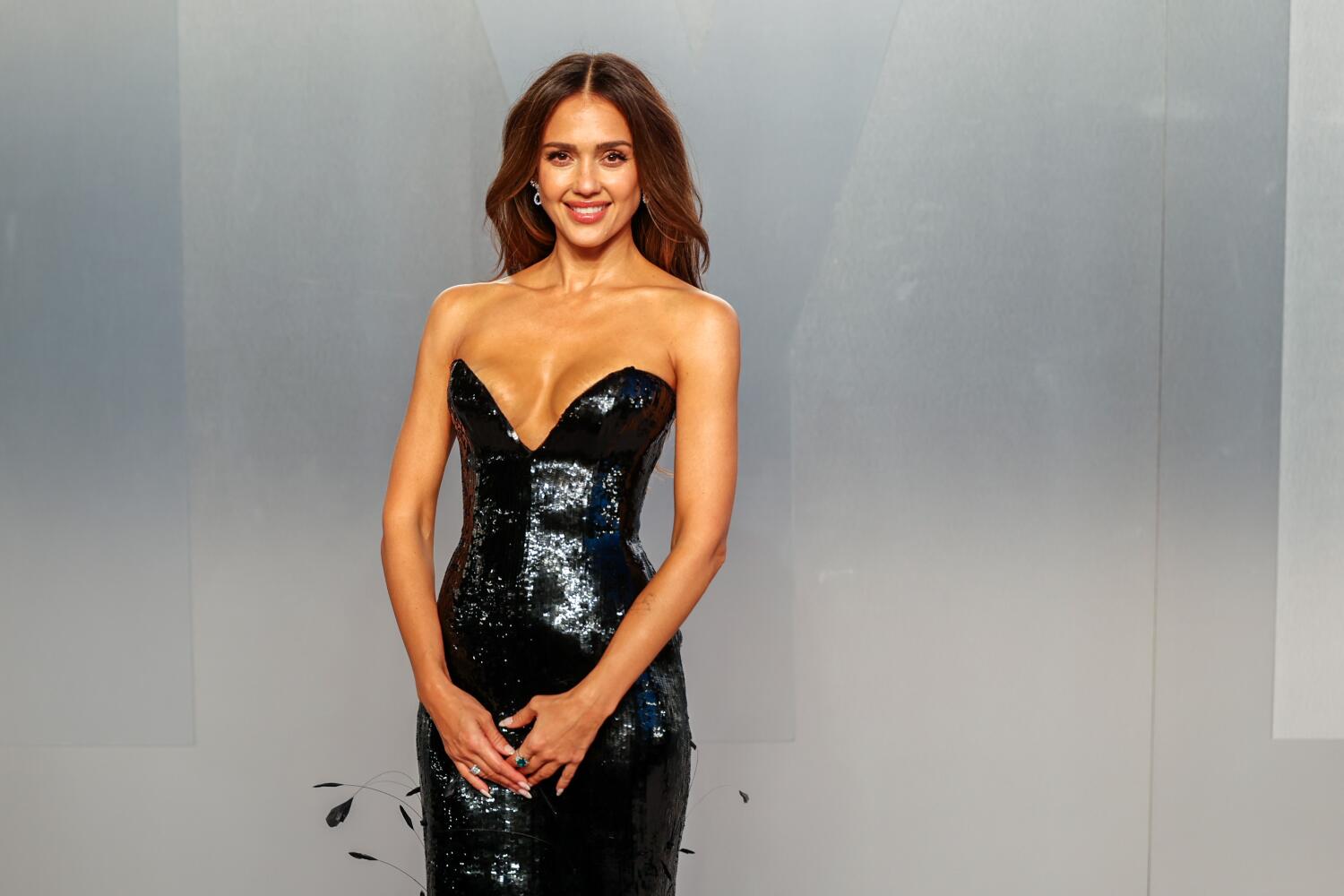
Lighting at the Wallis Annenberg Center is different from the harsh California sun at the Dolby. It’s moodier. It’s warmer. Designers know this. That’s why you see so much more shimmer, sequins, and metallic fabrics at the after-party. These materials "dead" under the midday sun but come alive under the party lights.
Makeup shifts too. The "clean girl" aesthetic of the afternoon gives way to a smoky eye or a bold lip. It’s a transition from "professional nominee" to "international superstar." Honestly, it's a relief to see. The perfection of the main ceremony can feel a bit clinical. The after-party feels human.
How to Track the Real Winners
If you want to see who actually won the night, don't just look at the professional photos. Look at the candid shots from inside the party. The clothes that still look good at 2:00 AM while someone is laughing with a drink in their hand are the real winners.
Fashion is supposed to be lived in. The Vanity Fair party is the ultimate stress test for a designer's work. It’s one thing to stand still and pose for five minutes. It’s another thing entirely to navigate a crowded room of your peers and look iconic while doing it.
Stop looking at the best-dressed lists that only focus on the big ball gowns. Start looking for the people who look like they’re having the time of their lives. That’s where the real inspiration is. If you’re planning your own red-carpet moment—or just want to level up your evening wear—take notes from the people who keep it simple, bold, and slightly undone. Focus on the fit first, the fabric second, and the "wow factor" last. That’s the secret to owning any room, Oscar or not.