The era of the "airport outfit" just hit a breaking point. You've seen them. The travelers shuffling through TSA in fleece penguin onesies or oversized flannel pants that have clearly seen better days. It's a look that says "I gave up three time zones ago." But a recent move by a major US aviation hub to suggest a formal dress code—dubbed the viral pajama ban—has turned a simple fashion choice into a full-blown culture war.
People are furious. They’re shouting about personal freedom and the misery of modern flying. Honestly, I get it. Flying in 2026 is an endurance sport. Between the shrinking legroom and the erratic delays, the last thing anyone wants is a lecture on their wardrobe. But if we look past the outrage, this isn't just about cotton vs. denim. It’s about the total collapse of the boundary between our living rooms and the public square.
The Viral Spark That Set Travelers Ablaze
It started with a simple sign and a few social media posts. An airport spokesperson mentioned that "appropriate attire" helps maintain a respectful environment. The internet did what it does best. It exploded. Within hours, the phrase "The madness stops today" was trending, used by both supporters of the ban and those who think the airport has no business playing fashion police.
The backlash was swift because travel is already stressful. You’re poked, prodded, and scanned. You’re charged for a carry-on and then charged again for a sandwich that tastes like cardboard. In that environment, sweatpants feel like the only shred of comfort left. Critics of the ban argue that as long as your "privates" are covered, what you wear shouldn't matter. They’re wrong, but their anger is misplaced.
The real issue isn't the fabric. It’s the attitude.
Why We Stopped Caring What We Look Like in Transit
We can blame the "athleisure" movement of the 2010s. It made leggings and hoodies acceptable everywhere from the office to the high-end bistro. But the airport took it to a dark place. We transitioned from "comfortable but neat" to "I literally just rolled out of bed and didn't brush my hair."
There's a psychological phenomenon at play here called enclothed cognition. It’s the idea that the clothes we wear change how we interact with the world. When you dress like you're about to nap, you act like you’re in your private sanctuary. You take up more space. You lose that edge of public awareness. This shift in dress correlates directly with the rise in "unruly passenger" incidents reported by the Federal Aviation Administration.
The Connection Between Dress and Behavior
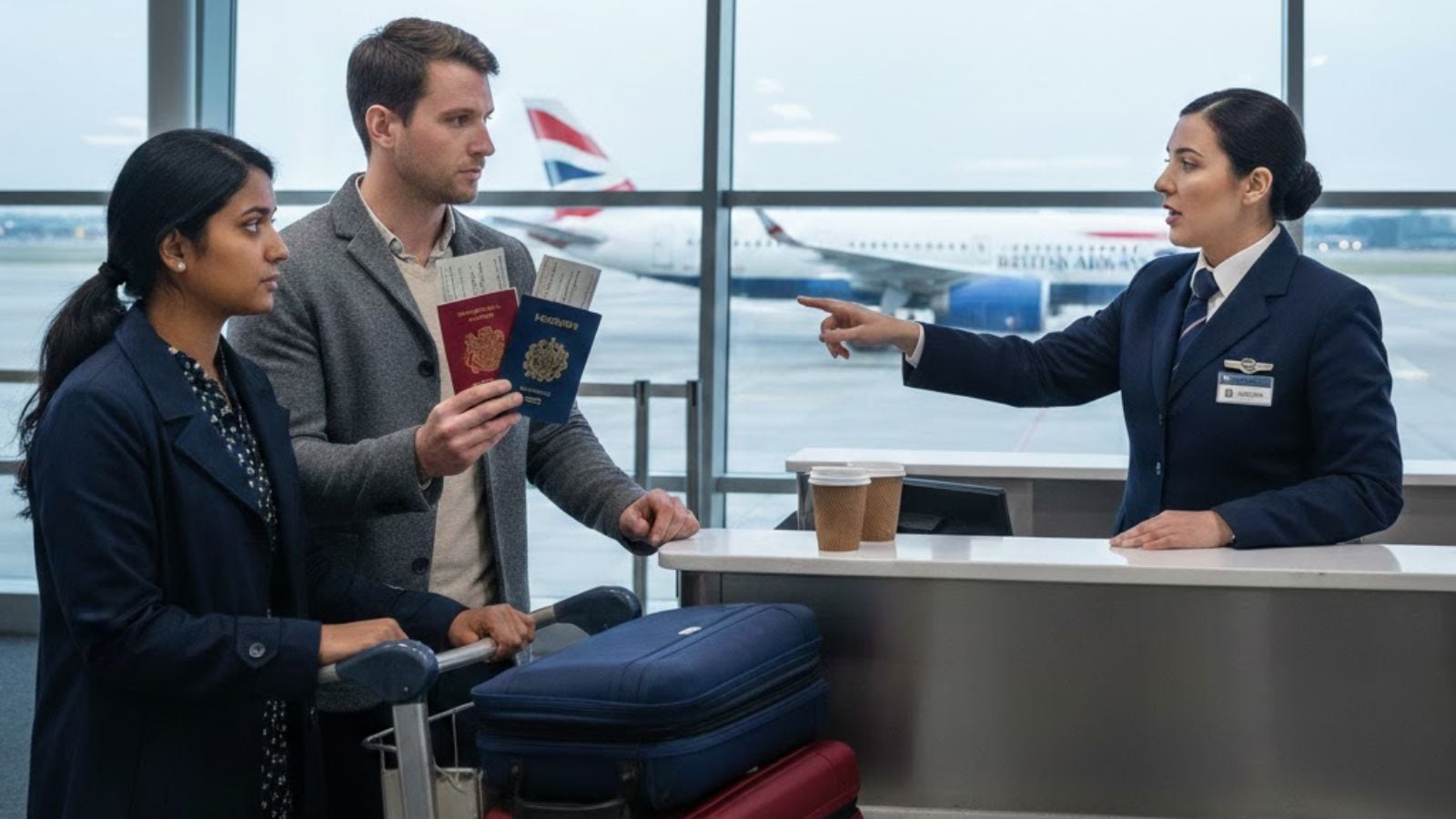
Flight attendants have been saying this for years. While there’s no hard data proving a direct link, many veteran crew members swear that passengers in "real" clothes—even just jeans and a polo—tend to be more respectful.
- People in pajamas are more likely to put their bare feet on bulkheads.
- Dressier passengers often follow instructions more quickly.
- A polished appearance can sometimes lead to better service or even a "soft" upgrade if the flight is oversold.
Freedom of Choice vs. The Collective Experience
The loudest argument against any dress code is "I paid for my ticket, I'll wear what I want." It’s the ultimate American refrain. But an airport is a shared space. When someone shows up in grease-stained pajama bottoms that are sagging below the hip, it affects the "vibe" of the gate. It sounds elitist. It probably is. But there’s a reason people used to dress up for the theater or a nice dinner. It signals that the event matters.
If we treat air travel like a trip to the dumpster, the airlines will continue to treat us like trash. We’ve entered a race to the bottom. They cut the amenities, we cut the effort. They treat us like cattle, we dress like we're in a barn.
What the Ban Actually Proposes
To be clear, no one is getting arrested for wearing joggers. The "ban" is largely a set of guidelines aimed at curbing the most egregious offenders. We’re talking about:
- Underwear worn as outerwear.
- Clothing with offensive or vulgar language.
- Sleepwear that is sheer or excessively dirty.
Most people aren't the problem. It’s the 5% who think a crowded terminal is an extension of their bedroom.
The Global Perspective on Travel Fashion
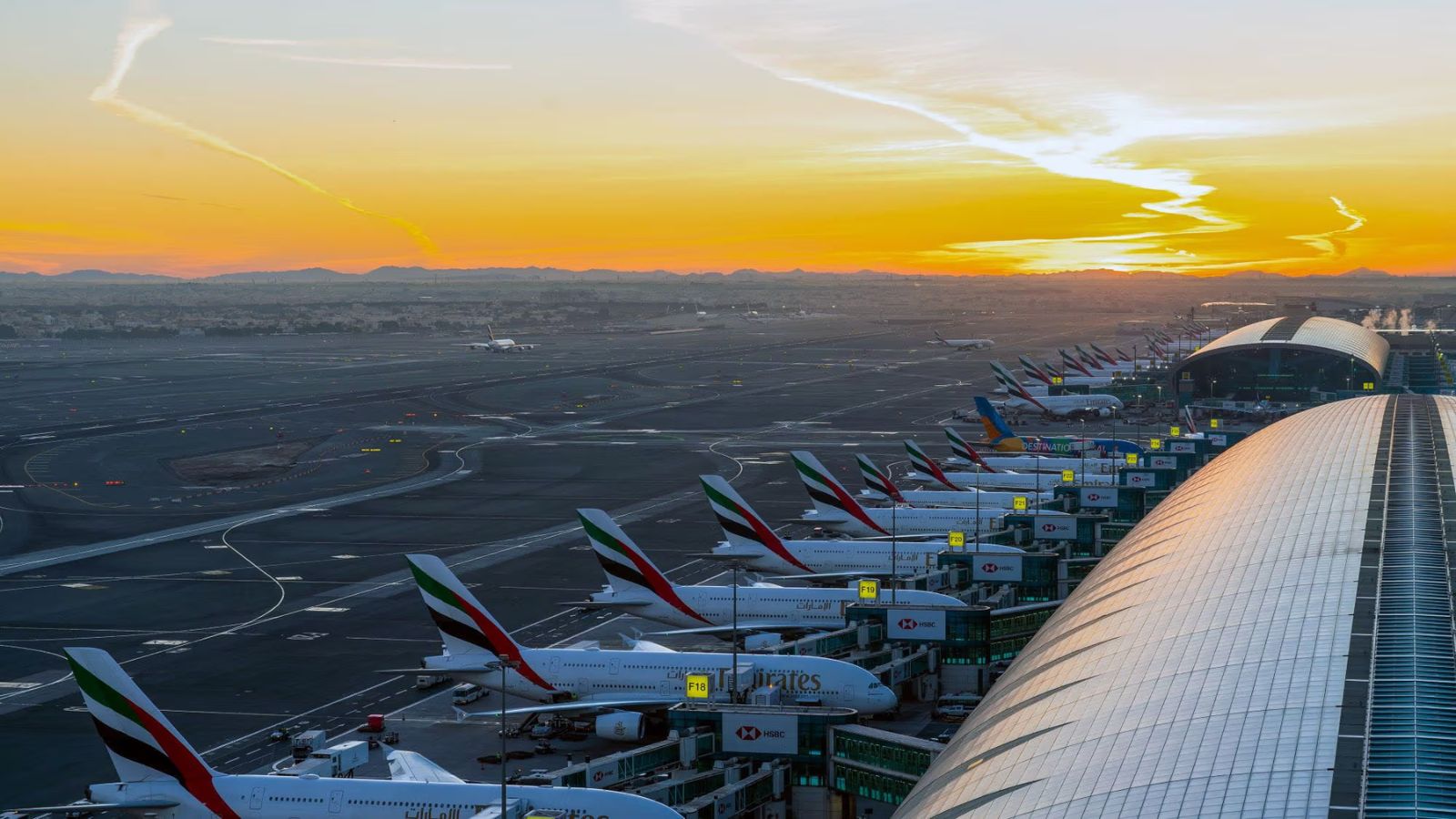
If you fly through Singapore’s Changi or Dubai International, you don't see this. Travelers there generally look pulled together. In many European hubs, rocking up in a bathrobe would get you more than just a dirty look; it might get you a secondary screening. The US is an outlier in its commitment to total sartorial surrender.
Is it because our flights are longer? Maybe. Is it because our TSA lines are more soul-crushing? Likely. But there’s a middle ground between a three-piece suit and Spongebob pajamas.
How to Dress Like a Grown Up Without Being Miserable
You don't need to wear a tuxedo to Fly. You just need to look like you're participating in society.
The Mid-Point Strategy
Forget the suit. Forget the pajamas. Go for high-quality knit pants or "travel chinos" that have plenty of stretch. Pair them with a clean t-shirt and a light jacket or cardigan. Layers are your best friend because airplane cabins fluctuate between the Sahara and the Arctic. Wear slip-on shoes that aren't tattered slippers. You look decent, you stay comfortable, and you don't look like a viral "What not to wear" post.
The "Pajama Ban" fury is a distraction. The real "madness" is that we’ve lost the ability to distinguish between our private lives and our public obligations.
If you want to avoid the ire of airport staff and the judgmental stares of your seatmates, leave the sleepwear in your suitcase. Pack a pair of soft, breathable trousers and a clean shirt. You’ll feel better, you’ll likely get better service, and you won't be the reason a national debate starts over a pair of flannel pants. Stand up, tuck in your shirt, and remember that you’re sharing a metal tube with 200 other humans. Act—and dress—accordingly.